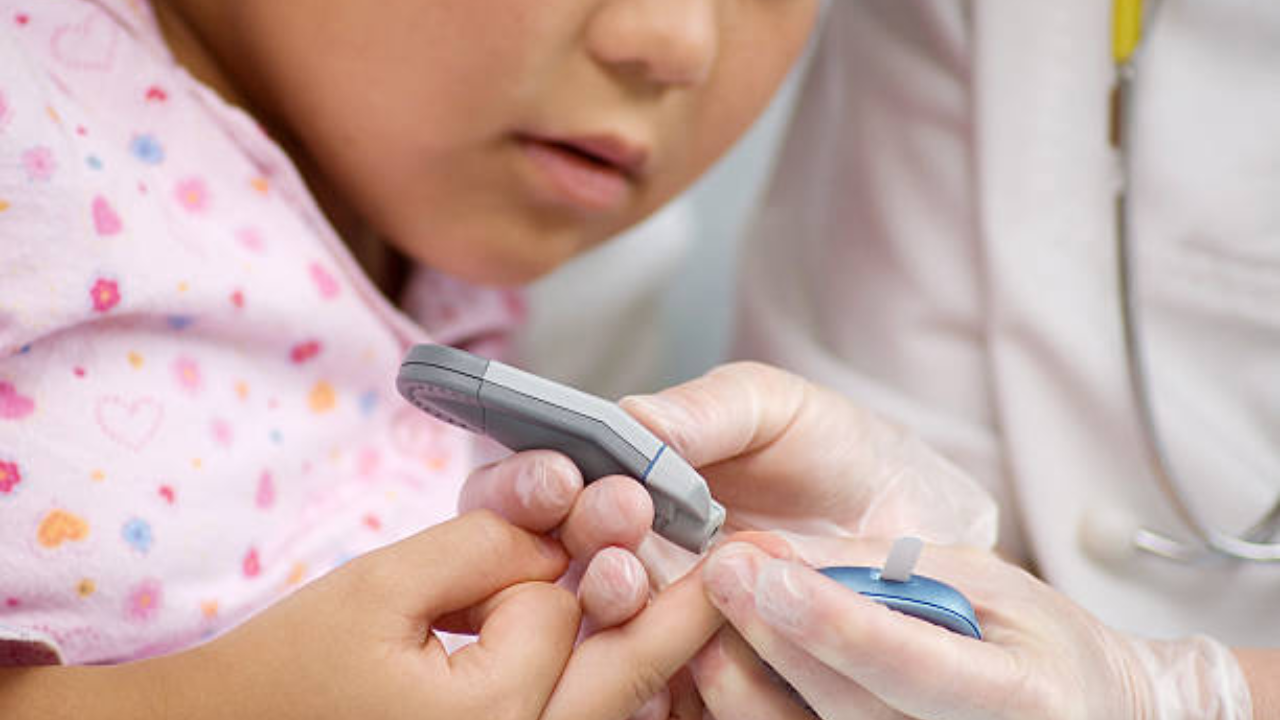
Diabetes in children is a growing health concern, with increasing rates observed in various parts of the world, including India. Understanding the early signs, treatment options, and necessary lifestyle adjustments is crucial for parents and caregivers in managing this condition effectively. This article delves into pediatric diabetes, aiming to provide essential insights to help families navigate this challenging health issue.
Types of Pediatric Diabetes
There are primarily 2 types of diabetes that can occur in children:
1. Type 1 DiabetesType 1 diabetes is an autoimmune condition where the body’s immune system attacks the insulin-producing beta cells in the pancreas. This type typically develops in childhood or adolescence, leading to an absolute insulin deficiency. Children with Type 1 diabetes require lifelong insulin therapy to regulate their blood sugar levels.
2. Type 2 DiabetesType 2 diabetes, once considered an adult disease, is increasingly being diagnosed in children, particularly with the rise in obesity rates. In this condition, the body either becomes resistant to insulin or does not produce enough insulin. Type 2 diabetes can often be managed with lifestyle changes, but some children may also require medication.
Early signs of Pediatric Diabetes
Recognizing the early signs of diabetes in children is crucial for timely intervention and management. Parents should be vigilant for the following symptoms:
Increased thirst and frequent urination: Children may drink excessively and urinate frequently, a condition known as polydipsia and polyuria. This occurs because the body is trying to eliminate excess glucose through urine.
Extreme hunger: Despite eating normally, children may experience extreme hunger (polyphagia) due to the body’s inability to use glucose effectively for energy.
Fatigue: Children with diabetes may appear unusually tired or lethargic, as their bodies are not able to utilize energy efficiently.
Unintended weight loss: Sudden weight loss, particularly in Type 1 diabetes, can occur as the body starts breaking down muscle and fat for energy due to the lack of insulin.
Blurred vision: High blood sugar levels can lead to fluid changes in the eyes, resulting in blurred vision.
Slow healing of cuts and bruises: Diabetes can impair the body’s ability to heal wounds, making cuts and bruises take longer to heal.
Mood changes: Irritability or mood swings can also be an indicator of fluctuating blood sugar levels.
If a child exhibits one or more of these symptoms, it is essential to consult a healthcare provider for further evaluation and testing.
Sometimes children can present with a serious condition called Diabetic Keto Acidosis (DKA) which needs urgent treatment in Emergency Department & Pediatric Intensive Care Unit (PICU). DKA can be present
1) At the time of diagnosis of Diabetes and also
2) In Diabetic children with poor blood sugar control
In DKA, the sugar levels are very high, acid levels build up in the body and more serious symptoms can happen that need treatment in the Emergency Department & Pediatric Intensive Care Unit (PICU). These symptoms include:
Nausea or vomitingDehydrationStomach painFast, deep breathingBreath that smells fruityLethargy/Confusion/ DrowsinessComa
Diabetic Keto Acidosis (DKA) that is not treated urgently on time can cause Diabetic coma which is a life-threatening condition. The high acid in the blood causes the body not to work well, and can lead to a person becoming unconscious.
Diagnosis
The diagnosis of diabetes in children typically involves several tests, including:
Fasting Blood Glucose Test: Measures blood sugar levels after an overnight fast.Random Blood Glucose Test: Measures blood sugar at any time of day, regardless of when the child last ate.Oral Glucose Tolerance Test: Measures blood sugar before and after consuming a sugary drink.Hemoglobin A1C (HbA1C) Test: Indicates average blood glucose levels over the past two to three months.A healthcare provider will evaluate the results and determine the most appropriate diagnosis and treatment plan.
Treatment Options
1. Insulin therapyFor children with Type 1 diabetes, insulin therapy is essential. Insulin can be administered through injections or insulin pumps, allowing for more precise control of blood sugar levels. Parents and caregivers need to learn how to monitor blood sugar levels and administer insulin effectively.
2. Oral medicationsIn cases of Type 2 diabetes, oral medications may be prescribed to help the body use insulin more effectively or to lower blood sugar levels. Metformin is commonly used and can be combined with lifestyle changes for better results.
3. Continuous Glucose Monitoring (CGM)CGM devices provide real-time glucose readings, helping families monitor their child’s blood sugar levels continuously. This technology can significantly improve diabetes management by allowing for timely adjustments to insulin dosages and dietary choices.
Lifestyle adjustments
Managing diabetes in children involves more than just medication; lifestyle adjustments play a vital role in maintaining healthy blood sugar levels. Here are some key strategies:
1. Healthy eating habits
A balanced diet is crucial for managing diabetes. Parents should focus on providing nutritious meals that include:
Whole grains: Opt for whole-grain bread, pasta, and cereals that provide fiber and help stabilize blood sugar levels.Fruits and vegetables: Encourage a variety of colorful fruits and vegetables, which provide essential vitamins and minerals.Lean proteins: Incorporate sources of lean protein, such as chicken, fish, beans, and legumes.Healthy fats: Use healthy fats like avocados, nuts, and olive oil while minimizing saturated and trans fats.
2. Regular physical activity
Encouraging regular exercise can help children manage their weight and improve insulin sensitivity. Aim for at least 30 minutes of moderate-intensity activity most days of the week. Activities can include biking, swimming, dancing, or playing sports.
3. Monitoring blood sugar levels
Regular monitoring of blood sugar levels is essential for effective diabetes management. Parents should work with their healthcare provider to establish a monitoring schedule that fits their child’s needs.
4. Education and support
Educating both the child and their family about diabetes is vital for successful management. Joining support groups or diabetes education programs can provide valuable resources and a sense of community for families dealing with diabetes.
5. Stress management
Stress can impact blood sugar levels, so teaching children stress management techniques, such as mindfulness, deep breathing exercises, or engaging in hobbies, is beneficial for overall health.
Pediatric diabetes is a complex and challenging condition that requires early detection, effective treatment, and ongoing management. By recognizing the early signs, understanding treatment options, and implementing healthy lifestyle adjustments, parents can empower their children to lead fulfilling lives despite their diagnosis. As awareness of pediatric diabetes grows, so does the potential for improved outcomes and quality of life for children affected by this condition. With proper care and support, children with diabetes can thrive and achieve their full potential.
(Author: Dr Kiran Kumar Damera, Neonatologist & Pediatrician at Citizens Specialty Hospital, Hyderabad)