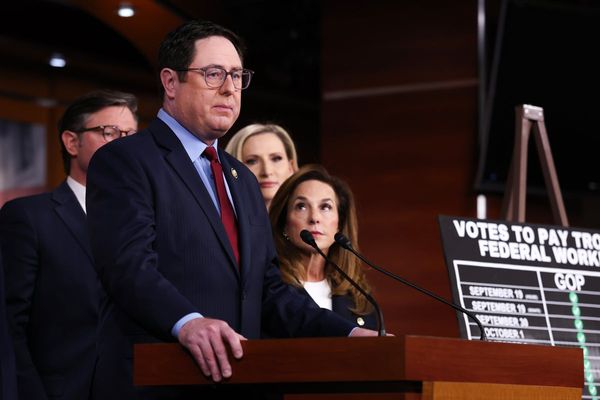
Since taking office, HHS Secretary Robert F. Kennedy Jr. has waged an aggressive campaign against ultra-processed foods, which he says are poisoning Americans. Now, the food industry is striking back, arguing Kennedy’s proposed regulations will drive grocery prices even higher.
In October, food companies and major industry groups formed a coalition called Americans for Ingredient Transparency in order to lobby against federal food regulation, according to Politico.
The group — which includes Kraft Heinz, Nestle and PepsiCo — has argued that state regulations pushed by Kennedy and his Make America Healthy Again allies will exacerbate affordability concerns.
“The dynamic here is affordability,” Sam Geduldig, a managing partner at Republican lobbying firm CGCN, which represents Kraft Heinz, told the outlet. “You have a MAHA movement that would like to accomplish one goal, and then you have an inflation, economic affordability issue on the other side that runs counter.”
Industry leaders are hoping that framing their fight around affordability will resonate with voters — just as it did for Democrats, who romped to victory at the ballot box in a string of states earlier this year by focusing on economic concerns.
“President Trump is cutting costs and delivering real relief for working families, but these well-intentioned state bills are creating a patchwork of labeling regulations that could undermine his goal to lower costs for Americans,” Andy Koenig, a senior adviser to Americans for Ingredient Transparency, told Politico.
During his confirmation hearing, Kennedy told lawmakers that food makers have been permitted to “mass poison American children.” And, in May he said, “It's common sense that ultra-processed, nutrient-poor food contributes to chronic disease.”
The former environmental lawyer is now seeking to tighten federal rules to ensure food makers face greater scrutiny when they change their recipes. At the same time, he’s spurred states to enact their own regulations, including Oklahoma, Louisiana and Texas.
This year, more than a hundred bills have been introduced nationwide aiming to boost nutrition by restricting sugary drinks, synthetic dyes and chemical additives, marking a huge increase from last year, according to the outlet.
Polls show that Americans are concerned about both ultra-processed foods and affordability.
According to a KFF poll from October, most Americans believe highly processed foods pose a major threat to the health of children. And in a November Politico survey, Americans rated the cost of living as the top problem in the country, naming grocery prices as the “most challenging” cost.
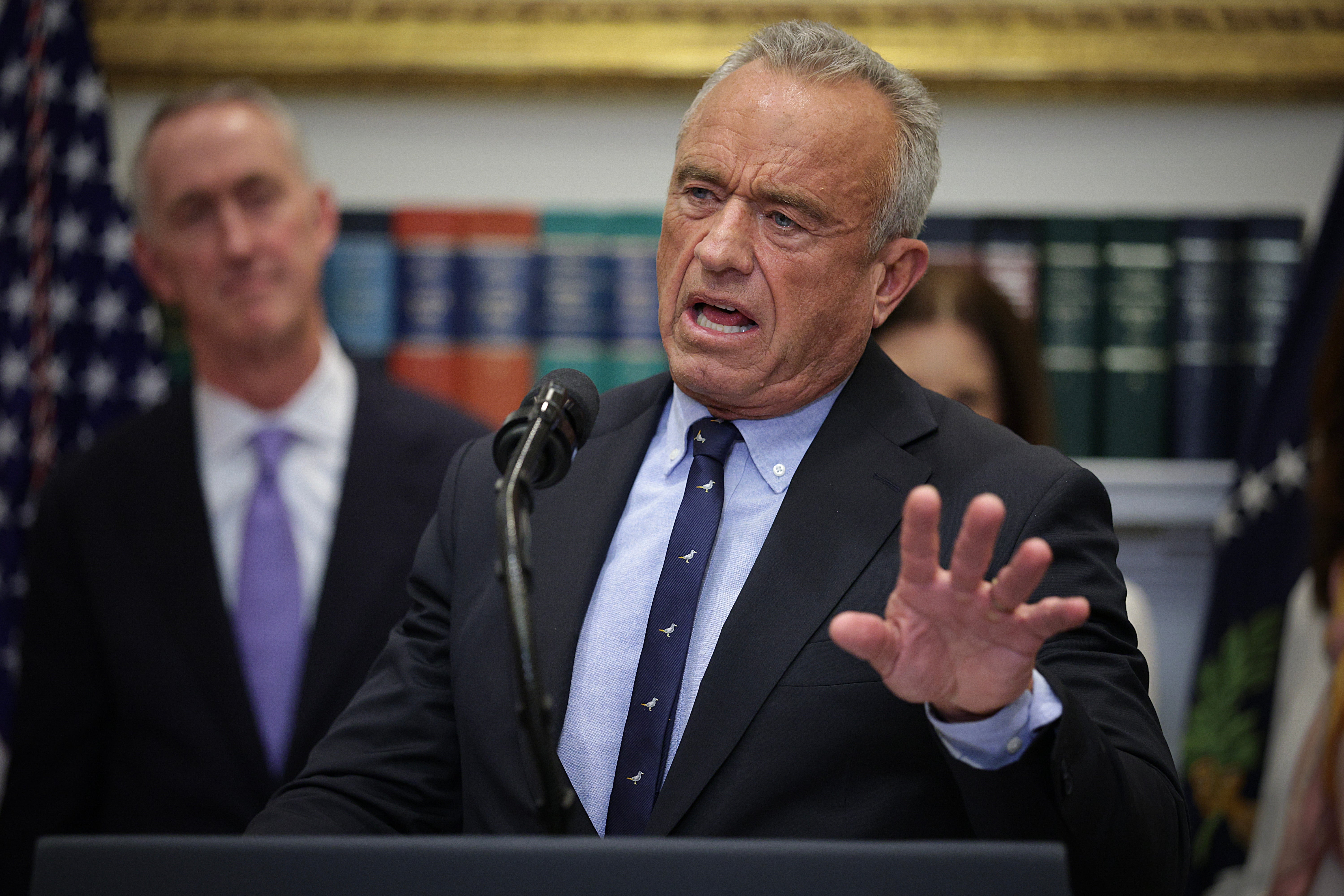
The newly created Americans for Ingredient Transparency group — launched amid a period of record spending by food lobbyists — may already be gaining influence on Capitol Hill.
According to The New York Times, Senator Roger Marshall, a Republican from Kansas, had explored introducing legislation to create a federal food standard that would override state laws, but that provision was later dropped.
But, the push to cut states out of the regulatory process has earned major pushback from MAHA and other food safety advocates.
“A federal standard favors large multinational companies with a lot of money to lobby for less restrictive standards,” Jennifer Galardi, a senior policy analyst at the Heritage Foundation, who researches MAHA-aligned issues, told Politico. “We see a state-by-state approach as emulating the checks and balances that our federalist system was designed to produce.”
Melanie Benesh, a vice president of government affairs at the Environmental Working Group, a non-profit focused on human health, said barring states from regulating food would be the “worst thing” in terms of boosting food safety, claiming the industry leaders are engaged in a cynical ploy.
“This isn’t about affordability,” she told the outlet. “This is about maintaining the status quo.”
Multiple studies have shown that ultra-processed foods are associated with a range of negative health effects. A 2024 review of 45 meta-analyses covering millions of participants concluded that diets high in ultra-processed foods increase the risk of death from cardiovascular disease by 50 percent, obesity by 55 percent and type 2 diabetes by 40 percent.
Historically, state and local officials have moved faster than the federal government when it comes to establishing strict rules for the environment and health. For example, the federal government didn’t ban trans fats until 2021 — 14 years after they were first restricted in New York City.
Nation sees swath of restaurants close as high costs hammer businesses
Hawaii's Big Island bans feeding feral cats in an effort to help endangered native species
Dr Oz says it costs $150K to create male genitalia during surgery
UK inflation unexpectedly drops to 3.2% after food prices fall
Israel becomes first country to recognise Somaliland
Did that really happen? Outrageous stories you may have forgotten from Trump’s return