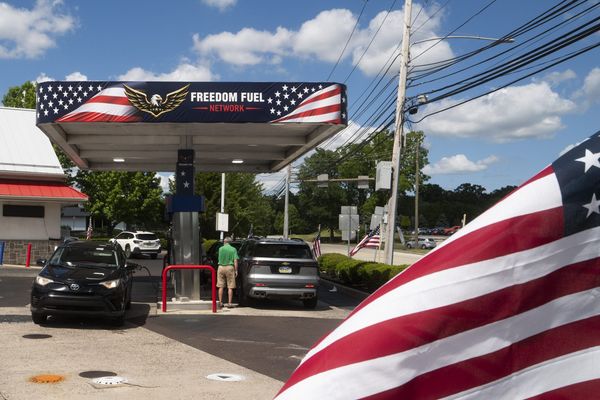
UK petrol prices are now at the highest since the Iran war began.
In what will be another squeeze on stretched family finances, the average price of a litre of petrol is 159.43p – which is 26.6p more expensive than it was on 28 February.
Diesel is at 184.96p, having fallen 6.58p since it peaked on 15 April 191.54p. The price, on Tuesday, is the first time it has been below 185p a litre since 1 April this year.
According to motoring group the RAC a 55-litre tank of petrol for an average family size car now costs £87.69 which is £14.63 more expensive than it was on 28 February.
The diesel equivalent is £101.73 – £23.42 more than it was at the start of the war.
The AA points out that the wholesale price of petrol, what the trade pays, has lately fallen.
A spokesman said: “AA advice to drivers is to use the price tracking available on mobile phone and other apps to find the cheaper fuel stations. These are getting regular price updates from the government’s Fuel Finder scheme. There is a lot of price variety out there if people look – and the cheaper fuel is not always where you think it is. For instance, fuel stations on busy routes may price low to pull in passing trade.”
Consumers are facing more bad news on Wednesday when energy regulator Ofgem reveals the latest price cap – the highest a supplier can charge for the July to September quarter.
The expected rise of 13 per cent adds £200 to the average household energy bill.
While there is a direct link between the oil price and petrol, motor groups say the petrol giants are quick to put prices up and slow to move them down.
But while the Strait of Hormuz remains closed, prices of oil and petrol are bound to remain volatile, analysts say.
Meanwhile, 80 per cent of firms report an existing or expected impact from the Iran conflict, according to recent research by British Chambers of Commerce (BCC).
Energy price increases and shipping costs were the direct impacts most frequently cited by surveyed businesses. More than 800 firms took part in the online research during April, the majority SMEs.
The research shows over half of firms said they are already directly impacted by the unrest in the Middle East, while a quarter expect to be in future.
William Bain, head of trade policy at the British Chambers of Commerce said: “The impact of the Iran conflict is being directly felt by firms the length and breadth of the UK. Higher energy bills, shipping disruption and the rising cost of raw materials are daily concerns for business.
“The economic reverberations will be felt for many months to come. The geopolitical kaleidoscope has been shaken and there’s no quick fix.”