HS2 went wrong from the very outset by being named HS2. That will be one interpretation to be drawn from the report by former National Security Adviser Sir Stephen Lovegrove. He was asked to review the project by transport secretary Heidi Alexander. One conclusion? That there was a fixation on speed at all costs, literally. What was intended to boost capacity on the stretched West Coast line, from the capital to Birmingham, Manchester, Liverpool and Leeds, was taken over by a desire to provide a super-fast service – the fastest on a conventional rail track in the world, at 224mph. This added to the bill as the focus was on state-of-the-art engineering and technology, rather than making trains longer and more frequent and capable of carrying greater numbers of passengers. Politicians, in other words, put kudos before necessity.
On a weekend when they were struggling to cope with far-right and pro-Palestine marches and the FA Cup Final, the Met found themselves having to disperse crowds gathering to get their hands on the new Swatch collab watch. London’s experience was replicated across the world with the deployment of riot police and dogs in shopping centres and even the use of tear gas to curb disorder caused by a limited number of the Audemars Piquet-Swatch Royal Pop timepiece going on sale. The sight of terrified shoppers and store closures brought into sharp focus the practice of brands creating a ‘buzz’ around their new products by sparking queues and media and social media coverage. The winners were the few Royal Pop buyers who could sell their £300 purchases immediately on resale platforms. Against them were many losers.
Next week in business
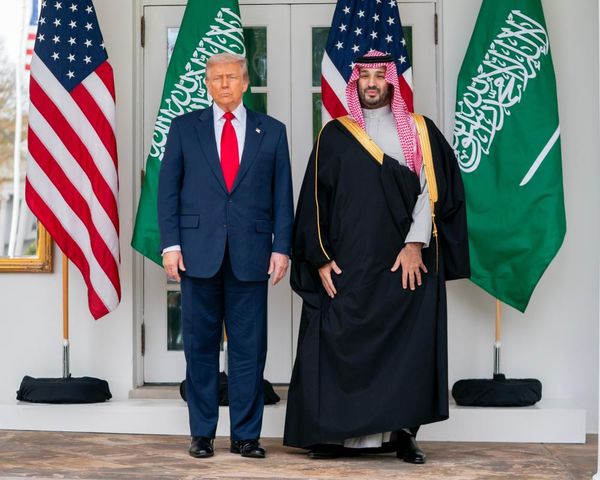
Britain is expected to edge closer to inking in a long-anticipated free trade agreement with the oil-rich Gulf nations. The six Gulf Cooperation Council states - Saudi Arabia, UAE, Qatar, Bahrain, Oman and Kuwait - are on the verge of signing the deal after two years of talks with the British government. Jasem al-Budaiwi, secretary-general of the GCC, in London this week, is likely to finalise the remaining detail before returning to brief the members ahead of a formal signing. It will be seized upon by both sides as a welcome boost. Here, Sir Keir Starmer’s regime is under pressure, while the GCC members are having to contend with the US-Israeli war against Iran, drone and missile strikes and disruption to oil and gas shipments, and harm to their previously booming economies. UK principal beneficiaries are likely to be luxury cars, financial services, industrial goods, food and drink.