Uganda: The problem of unsafe water and poor sanitation – in pictures
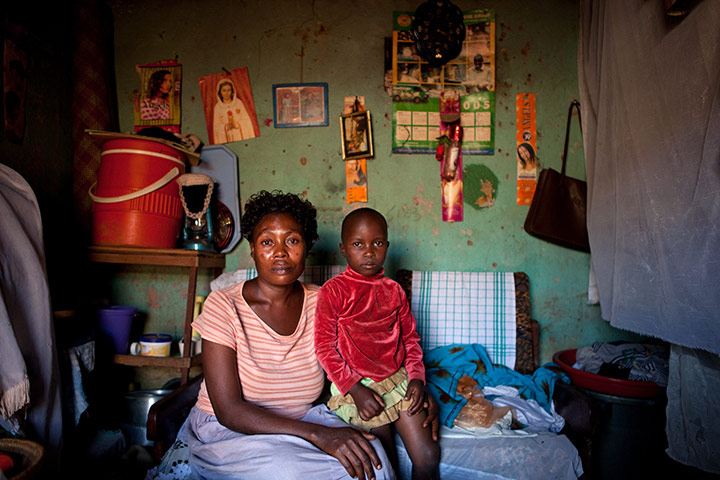
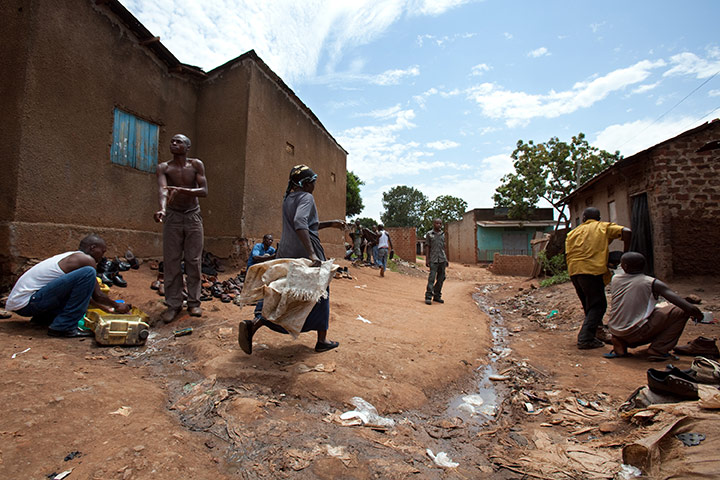
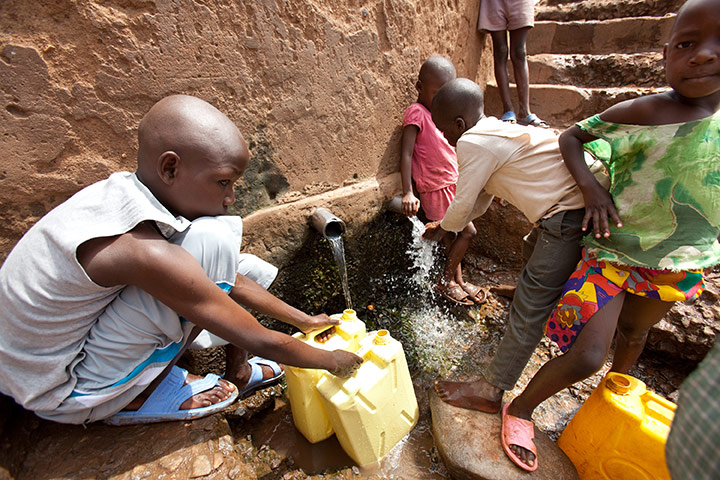
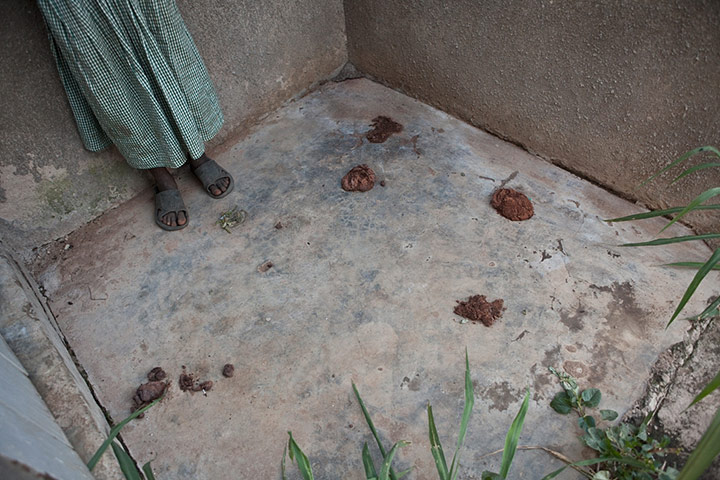
Christine Mbabazi lives in Bwaise, a slum in the capital city, Kampala, located at the bottom of a gully that often floods, filling her home with contaminated water and human waste. In 2004 her son Stephen died from cholera caused by the poor conditions Photograph: Benedicte Desrus/WaterAidThe Bwaise slum is a maze of rubbish, unplanned housing, mud and human waste Photograph: Benedicte Desrus/WaterAidChildren collect water that has flowed through waste-filled gutters. Community leaders say at least three children die from diarrhoea in the Bwaise slum every month Photograph: Benedicte Desrus/WaterAid
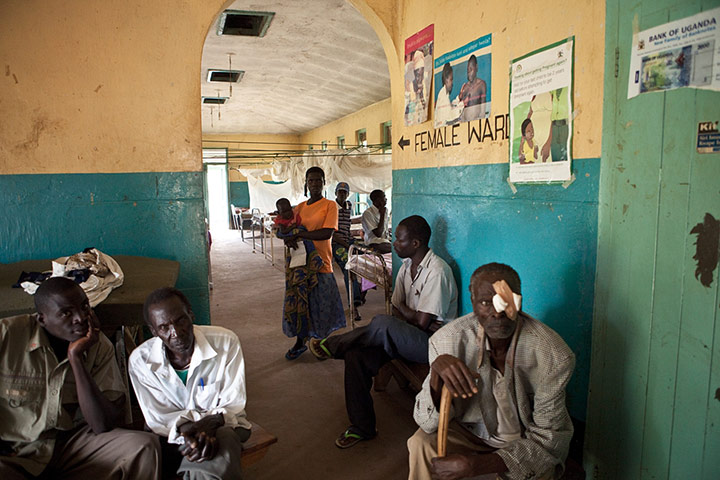
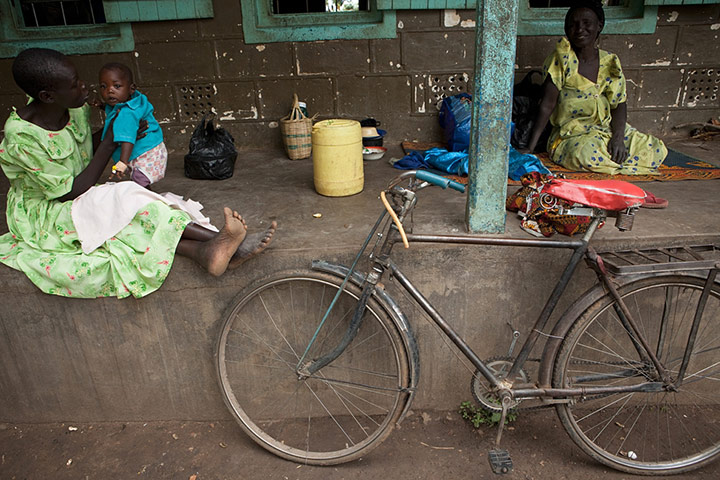
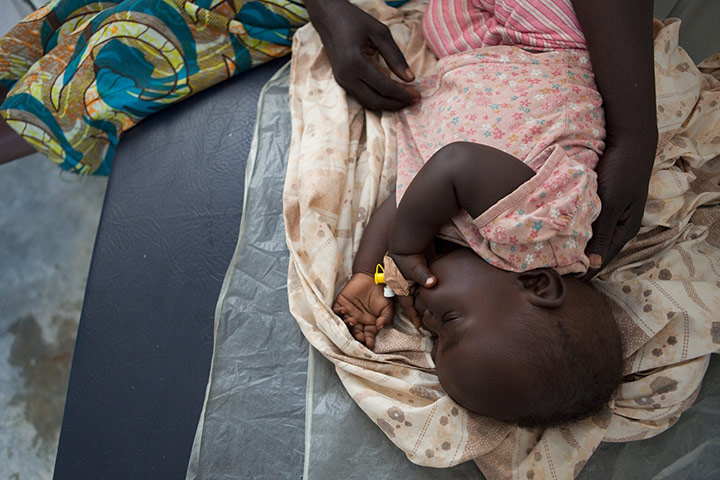
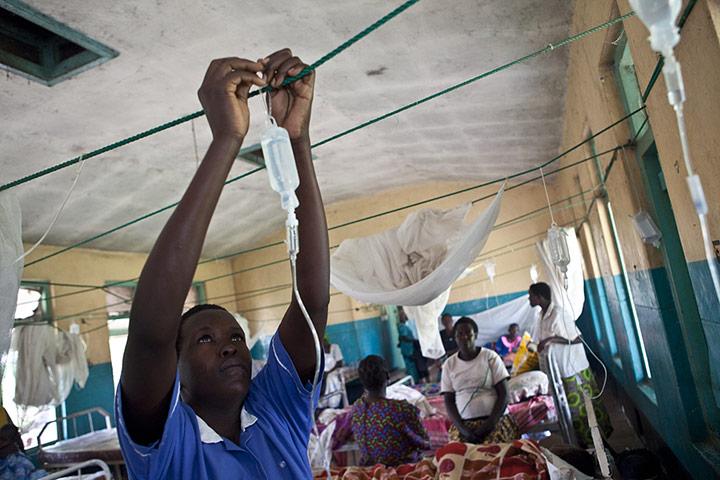
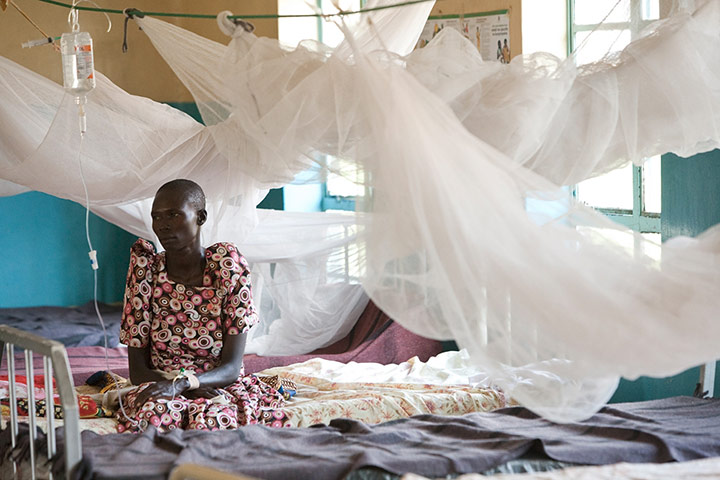
'I can't forget my son. I feel the pain of losing him all the time,' says Mbabazi. 'And now I worry that my other children will get sick. Whenever it rains, there is contamination but what can I do?' Photograph: Benedicte Desrus/WaterAidPatients queue to see Dr Emu Silva at Amuria Health Centre, in Amuria, north-east Uganda. The centre serves a community of 350,000 people and the majority of patients are sick with sanitation and water-related diseases such as diarrhoea or dysentery Photograph: Jake Lyell/WaterAidSome patients are lucky enough to have a bike to reach the clinic, but most will make the long, difficult journey by foot. Others stay at home in their villages and don't get the medical treatment they needPhotograph: Jake Lyell/WaterAidDr Silva says providing clean water and sanitation would prevent three-quarters of the centre's admissions. Diarrhoea is the biggest killer of children under five across Africa Photograph: Jake Lyell/WaterAidDr Silva says there is no reason for these diseases to be so prevalent: 'We cannot afford to have our people die from illnesses which can be stopped. We don't need rocket science to prevent them'Photograph: Jake Lyell/WaterAidGlobally, 2.6 billion people live without access to a safe toilet, while almost 1 billion don’t have clean, safe water. The WHO estimates that 10% of the global disease burden could be prevented with safe water, sanitation and hygienePhotograph: Jake Lyell/WaterAidHalf of the hospital beds in the developing world are filled with patients suffering from sanitation and water-related diseases, adding to the challenges of already overstretched health systemsPhotograph: Jake Lyell/WaterAid
Sign up to read this article
Read news from 100’s of titles, curated specifically for you.