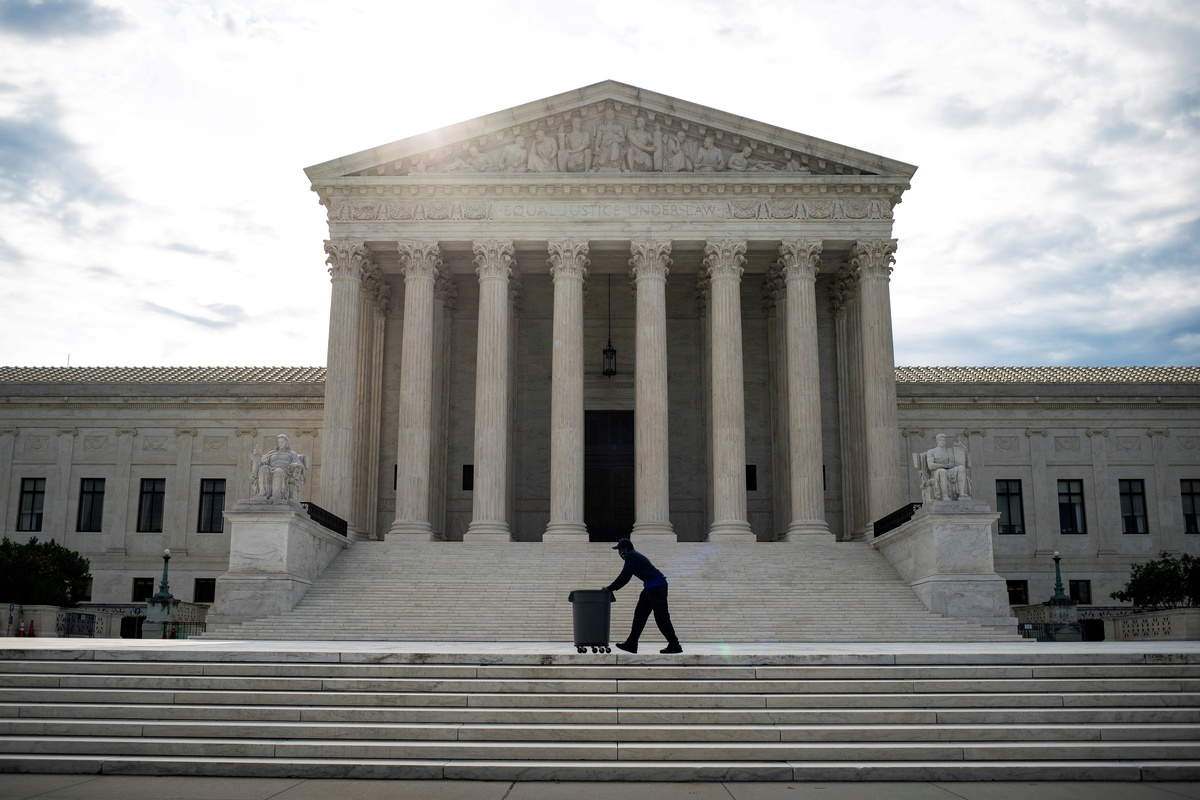
The U.S. Supreme Court on Monday declined to hear a challenge by four environmental groups to the authority of President Donald Trump's administration to build his promised wall along the border with Mexico.
The justices turned away an appeal by the groups of a federal judge's ruling that rejected their claims that the administration had unlawfully undertaken border wall projects in Arizona, California, New Mexico and Texas harmful to plant and animal life. The groups had argued that the 1996 law under which the administration is building the wall gave too much power to the executive branch in violation of the U.S. Constitution.
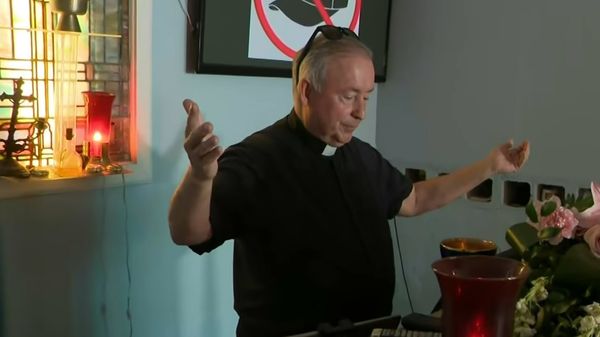
The groups that sued are the Center for Biological Diversity, the Animal Legal Defense Fund, Defenders of Wildlife and the Southwest Environmental Center. They said the wall construction efforts would harm plants, wildlife habitats and endangered species including the jaguar, Mexican gray wolf and bighorn sheep.
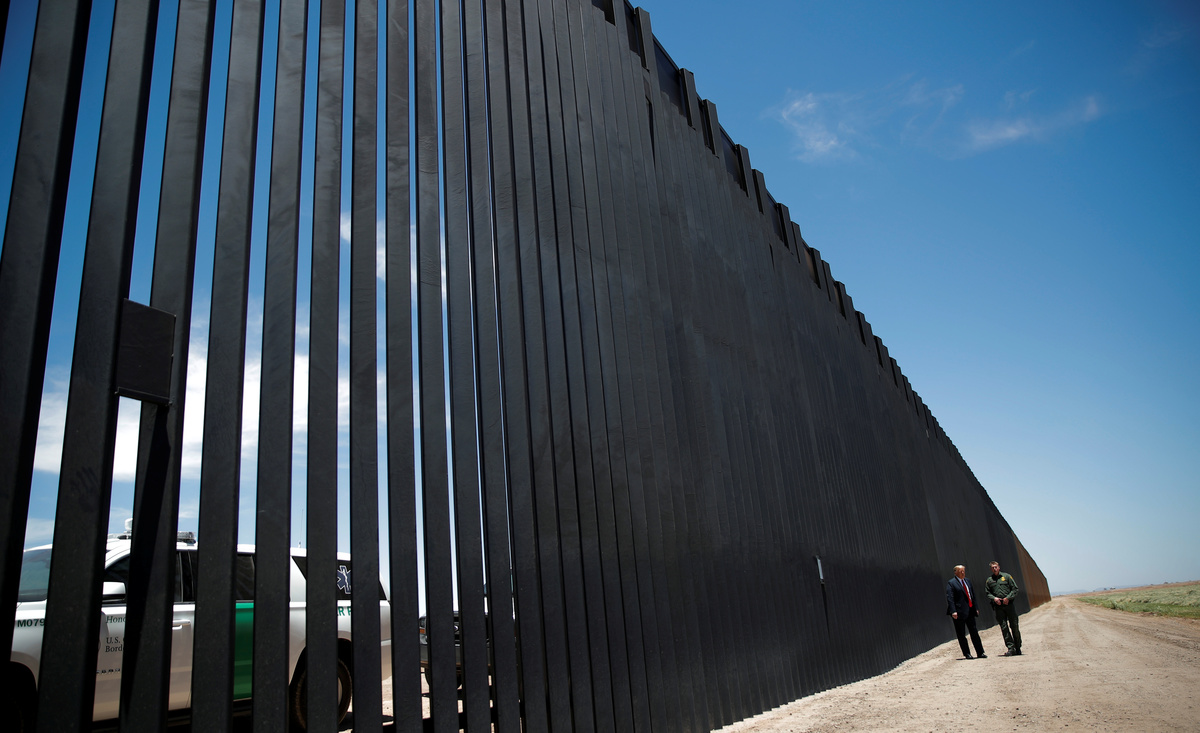
The border wall is one of Trump's signature 2016 campaign promises, part of his hardline policies toward illegal and legal immigration. The Republican president has vowed to build a wall along the entire 2,000-mile (3,200-km) U.S.-Mexico border. He promised that Mexico would pay for it. Mexico has refused.
The 1996 law, aimed at combating illegal immigration, gave the U.S. government authority to build border barriers and preempt legal requirements such as environmental rules. It also limited the kinds of legal challenges that could be brought.
The environmental groups argued that the law was unconstitutional because it gave too much power to the executive branch - in this case the Department of Homeland Security - to get around laws like the Endangered Species Act and the National Environmental Policy Act without congressional input.
Progress toward building the wall has been limited because Congress has not provided the funds Trump has sought, leading him to divert money - with the blessing of the Supreme Court - from the U.S. military and other parts of the federal government.
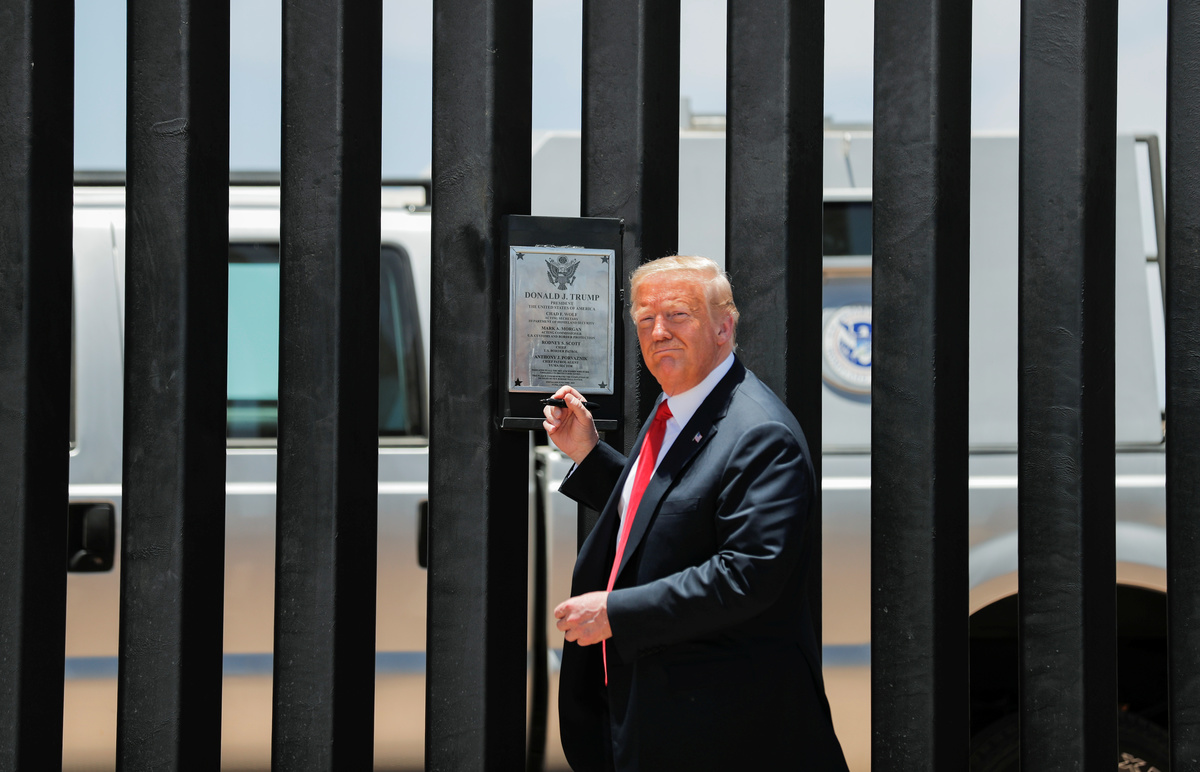
Trump on June 23 visited a newly built section of the wall along the frontier with Mexico in San Luis, Arizona, autographing a plaque commemorating the 200th mile (320 km) of the project.
(Reporting by Jan Wolfe; Editing by Will Dunham)