The Trump administration has taken one of the most dramatic steps toward easing pressure on Iran in decades, issuing a broad sanctions waiver that allows Tehran to resume legal oil exports and regain access to billions of dollars in potential revenue.
The move marks a stunning reversal from Washington's "maximum pressure" campaign and comes just days after U.S. and Iranian negotiators reached a preliminary memorandum of understanding aimed at securing a broader peace agreement following months of regional conflict.
The U.S. Treasury Department announced a 60-day general license authorizing the sale, delivery and import of Iranian crude oil, petroleum products and petrochemicals through Aug. 21. The waiver also permits banking, insurance, shipping and transportation services connected to those transactions, effectively reopening much of Iran's energy trade with the world. For the first time in decades, Iranian oil sales can also be conducted in U.S. dollars.
The decision could generate billions of dollars for Tehran almost immediately.
Analysts estimate Iran could earn between $8 billion and $10 billion during the two-month waiver period alone if exports ramp up as expected. Iran is believed to have tens of millions of barrels of oil already in storage and ready for shipment, allowing it to quickly boost exports without waiting for new production.
The sanctions relief is tied to a broader diplomatic breakthrough between Washington and Tehran.
According to U.S. officials, Iran agreed to allow inspectors from the International Atomic Energy Agency (IAEA) to return, maintain freedom of navigation through the Strait of Hormuz and continue negotiations toward a final agreement addressing nuclear concerns and regional security issues.
Vice President JD Vance said the latest round of talks in Switzerland laid a "very good foundation" for a comprehensive deal expected to be negotiated within the next 60 days.
The waiver follows a preliminary agreement reached earlier this month under which the United States pledged not to impose new oil sanctions while negotiations continue. Iran, in turn, agreed to halt further expansion of its nuclear activities and participate in discussions over the future of its enriched uranium stockpile.
Since President Donald Trump withdrew the United States from the 2015 nuclear agreement during his first term, Iran's energy sector has been subject to some of the toughest sanctions in the world.
Those measures restricted oil exports, blocked access to the international financial system and imposed penalties on companies, banks and countries that purchased Iranian crude. The sanctions became the centerpiece of Washington's effort to reduce Iran's oil exports to near zero.
The new waiver temporarily suspends many of those restrictions.
In practical terms, it means buyers can legally purchase Iranian oil, insurers can cover shipments, banks can process transactions and shipping companies can transport cargo without facing U.S. penalties.
The agreement also opens the door to the release of frozen Iranian assets. The Financial Times reported that the Trump administration has agreed to allow Iran access to an initial $6 billion in funds held in Qatar for humanitarian purchases, with additional funds potentially becoming available if negotiations continue successfully.
Oil markets responded immediately.
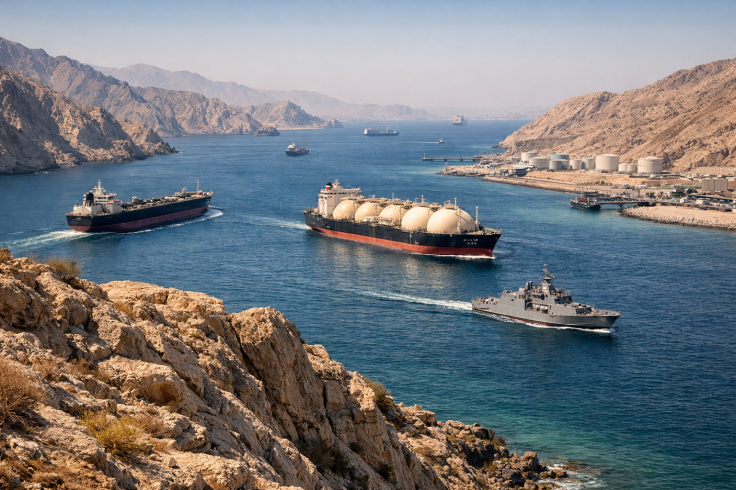
Brent crude and West Texas Intermediate prices both fell after traders digested the prospect of additional Iranian barrels returning to the market. Investors have been closely monitoring the Strait of Hormuz, through which roughly a fifth of global oil consumption passes.
The sanctions waiver is expected to increase global oil supplies at a time when markets remain sensitive to geopolitical disruptions and concerns about economic growth.
Despite the sweeping nature of the waiver, many experts caution that permanently dismantling Iran sanctions will be far more difficult.
Many sanctions were imposed through congressional legislation or executive orders tied to terrorism, missile development and human rights concerns. As a result, a final agreement would require extensive legal, political and diplomatic work beyond the current 60-day window.
"The tangled nest" of sanctions built over more than four decades cannot be unwound overnight, analysts told Reuters. Even if Washington and Tehran reach a final agreement, many international companies may remain cautious about re-entering the Iranian market until long-term certainty is established.