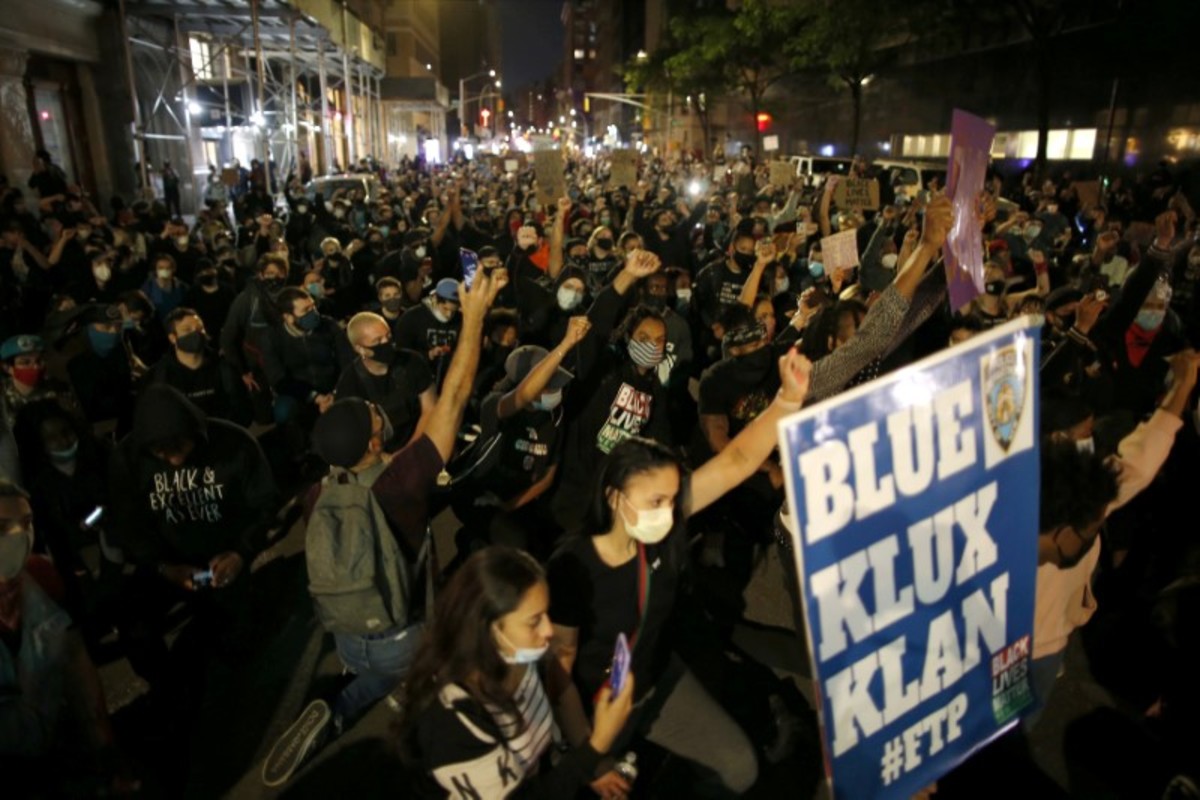
Public health experts and government officials, including New York's governor, are warning that large street protests over racial inequities and excessive police force could worsen the spread of the novel coronavirus.
The protests over the death of an unarmed black man, George Floyd, in police custody in Minneapolis last Monday, have spread to cities including New York, Los Angeles, and Baltimore.
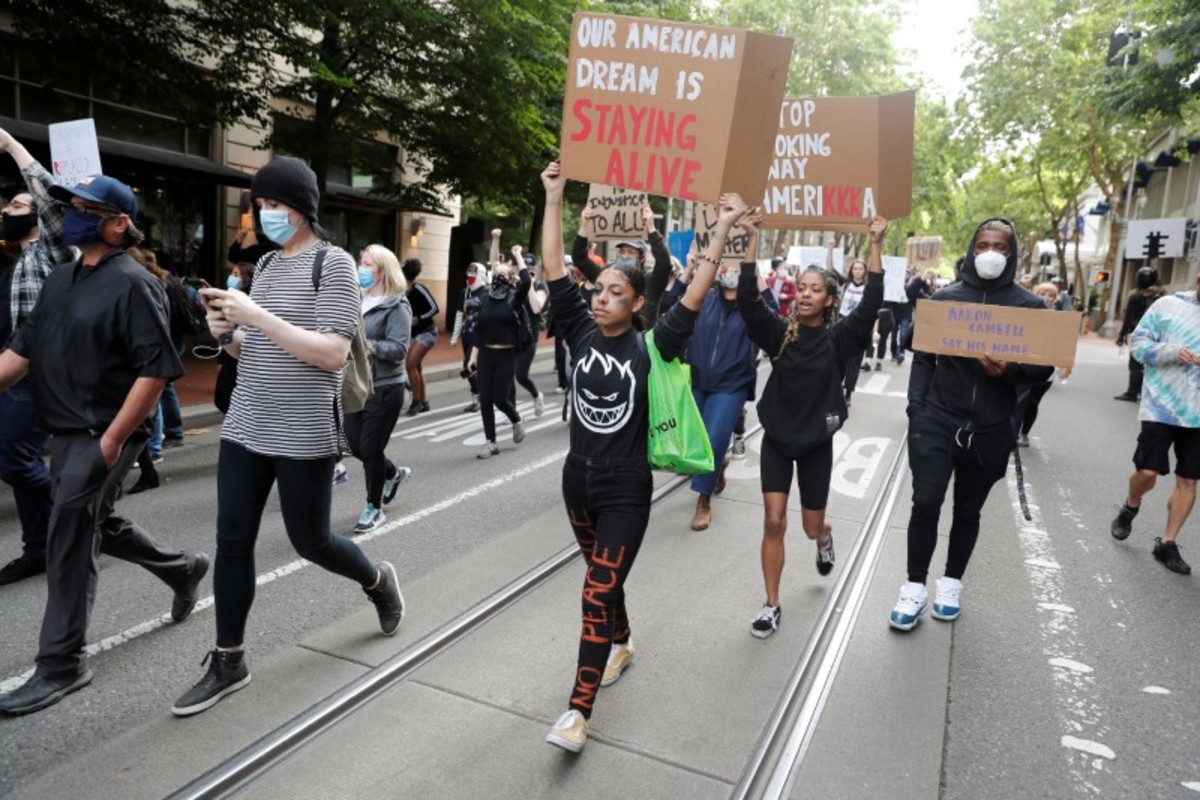
They are bringing together hundreds, sometimes thousands, of people just as the country is reopening after lengthy lockdowns to stop the spread of COVID-19, the disease caused by the coronavirus.
"We're talking about reopening in one week in New York City and now we're seeing these mass gatherings over the past several nights that could in fact exacerbate the COVID-19 spread," New York Governor Andrew Cuomo said on Monday.
Atlanta Mayor Keisha Lance Bottoms recommended to Georgians that if they were at a protest, they should consider being tested for COVID-19.
Health experts say the close proximity of participants, running and yelling or chanting, may increase transmission because people emit more respiratory droplets under these conditions.
Conversely, the protests have largely been outside, where motion of the air from breezes or people moving quickly can diffuse the virus, said Dr. William Schaffner, an infectious disease expert at Vanderbilt University Medical Center.
"A lot of people were wearing masks. That will also help dampen the possibility of spread," he said.
If there are infections, alerting people that they have been near someone with the virus will be difficult, especially if people do not want it known they attended a protest, he and other experts said.
More public health officials may start to make statements to the effect of, "'If you were at one of these protests, you should consider yourself exposed,'" said Dr. Amesh Adalja, an infectious disease expert at the Johns Hopkins University Center for Health Security.
(Reporting by Caroline Humer; additional reporting by Maria Caspani in New York; editing by Lewis Krauskopf and Tom Brown)