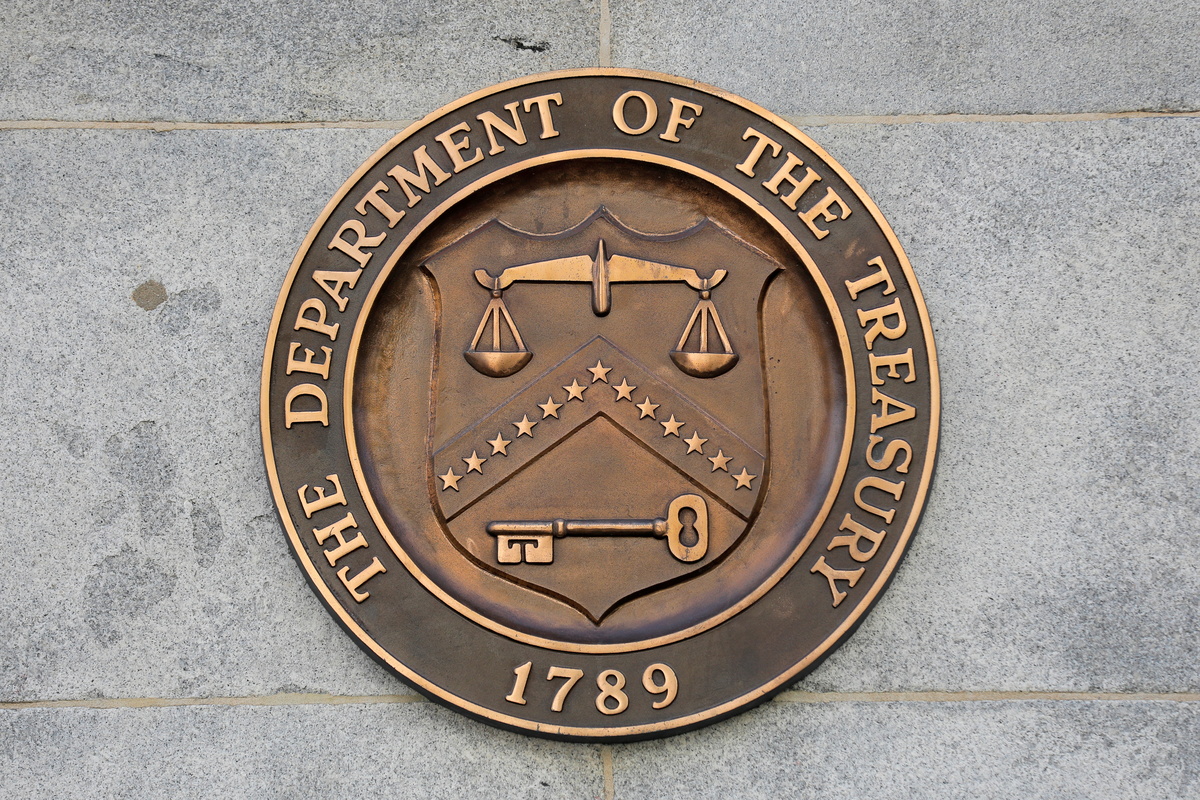
The United States has told financial institutions that they may process personal remittances to Afghanistan, a Treasury Department spokesperson said on Thursday, a move taken in tandem with steps to ensure the continued flow of humanitarian aid.
The decision to allow money transfers could provide some relief for the Afghan economy, which is nearing collapse after moves by the United States and other countries to halt foreign aid and freeze some $9 billion in Afghan assets after the Taliban takeover on Aug. 15.
Many Afghans rely heavily on payments from migrant workers overseas. The remittances amount to an estimated $789 million in 2020, or just over 4% of Afghanistan's gross domestic product, according to World Bank data.
Western Union the world's largest money transfer firm, and MoneyGram both suspended such services after the Taliban takeover, shutting off a major source of funds that many families rely on to pay for food.
The U.S. Treasury's guidance from its Office of Foreign Assets Control in response to queries over the past week paved the way for those service providers to resume operations in Afghanistan, but also applies to other banks and financial institutions, the spokesperson said.
Western Union said on Thursday it is resuming money transfer services to Afghanistan, saying the decision was in line with a U.S. push to allow humanitarian activity to continue.
Treasury on Aug. 25 issued a license authorizing the United States and its partners to continue to facilitate humanitarian aid, including the delivery of food and medicine, despite U.S. sanctions on the Taliban.
Typically, most of the payments sent to Afghanistan by migrant workers have come from Iran, Saudi Arabia, Britain, Germany and the United States.
Afghanistan's economy is heavily dependent on cash and there are few banks, which makes remittances so important. Sanctions in place against the Taliban could make broader financial institutions reluctant to handle private remittances, despite the Treasury guidance, financial experts said.
(Reporting by Andrea Shalal; Editing by Angus MacSwan and Grant McCool)