Tunisia plans to hold a runoff vote for a majority of seats in a disempowered assembly during the first week of February, adding fresh political risks as the country tries to secure a bailout from the International Monetary Fund.
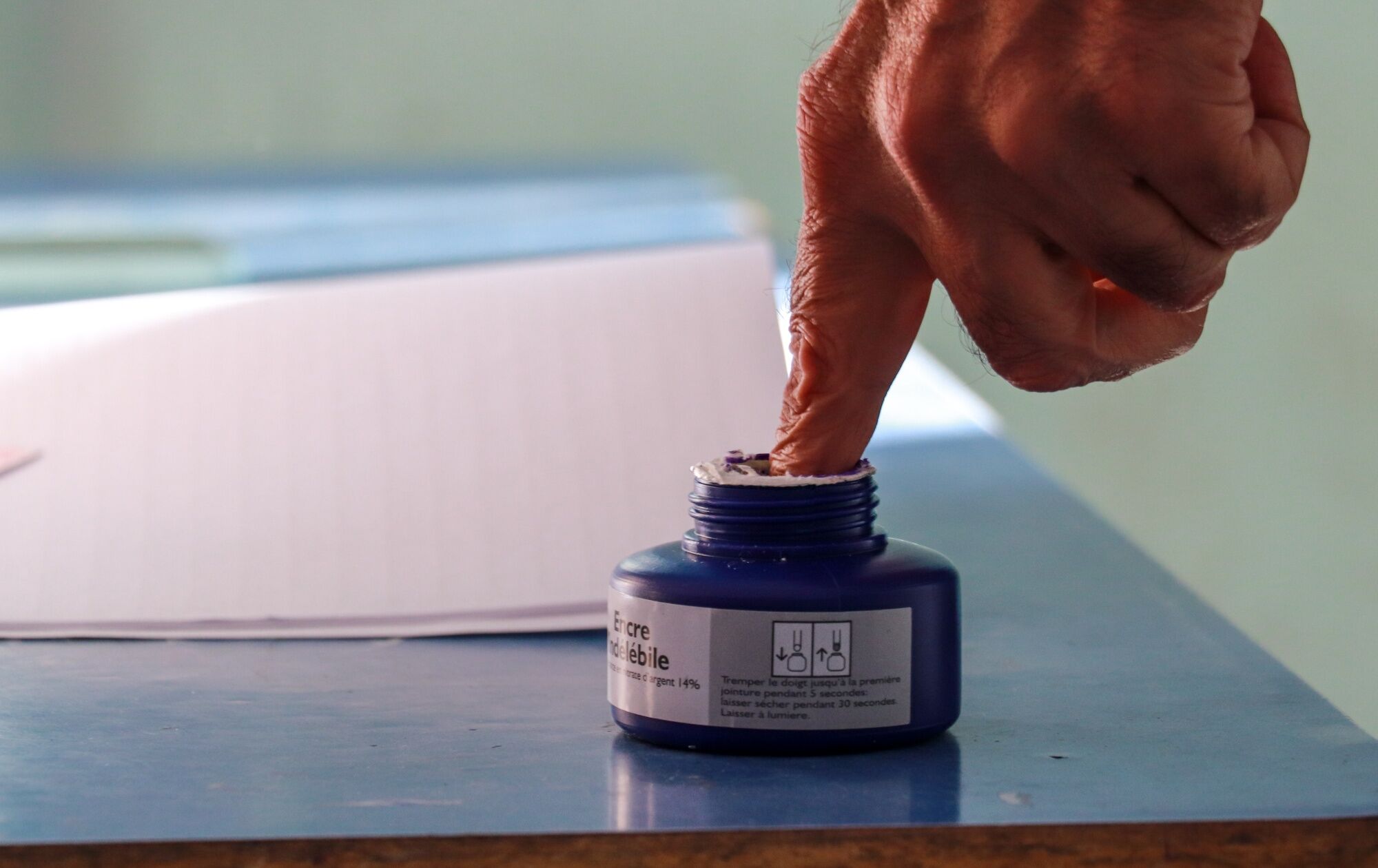
Around 11% of 9.1 million eligible voters cast valid ballots on Saturday in the country’s first parliamentary election since President Kais Saied suspended the previous chamber and revamped power sharing in the birthplace of the Arab Spring revolts.
The figure, announced by the nation’s election commission on Monday, is higher than an initial 8.8% turnout it reported on Saturday. Still, even the updated rate is one of the world’s lowest for any major national election.
The vote also left undecided the fate of 131 seats in the 161-member chamber, the commission’s spokesman Mohamed Tlili Mansri told reporters. It may take months before the new assembly is installed. Mansri said final results may not be announced until March 3 if some candidates appeal the outcome.
Investors in Tunisia’s sovereign debt are among those closely watching the election, which was deemed crucial to securing IMF approval for a four-year, $1.9 billion loan. Last week, the Washington-based lender postponed a Dec. 19 meeting of its executive board to review an agreement that its staffers reached in October with Tunisian authorities. The delay was said to be in order to allow more time for Tunisia to put “final touches” on its economic reform program.
The council of ministers will discuss a 2023 budget bill later this week, the presidency said on its Facebook page.
Tunisia to Refile Economic Reform Plan With IMF in January: TAP
“Because of Tunisia’s increasingly elevated government liquidity risks and fragile external position, the delay in reaching final approval on a new IMF programme risks aggravating an already challenging funding position and eroding foreign exchange reserves, a credit negative,” Moody’s Investors Service said in a statement on Dec. 15.
France, a key ally of Tunisia and one of its biggest bilateral creditors, voiced concern over the hold-up.
The French foreign ministry called for a resumption of loan talks that should be “as inclusive as possible,” and said that Tunisia needs the “reforms necessary for the stability and future prosperity of the country to be undertaken without delay.”
©2022 Bloomberg L.P.