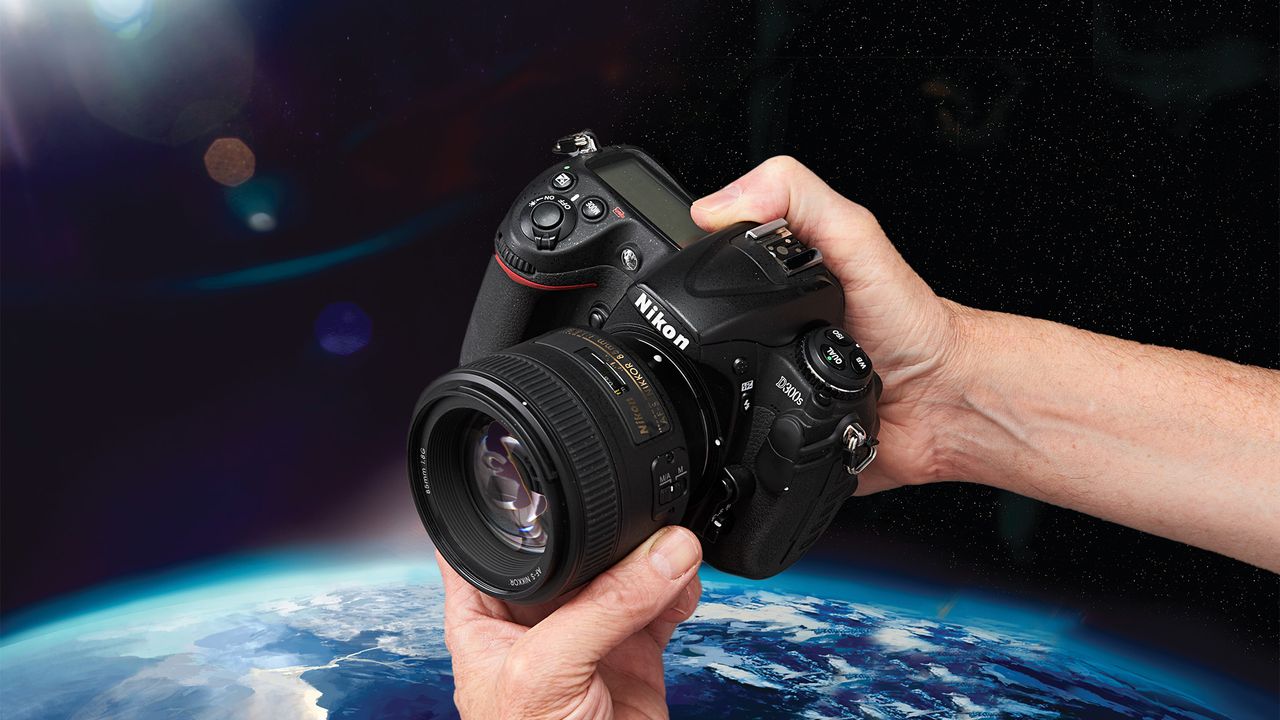
When selecting cameras for a mission, NASA doesn’t just take the manufacturer’s word on performance, instead putting any potential models through the most rigorous testing to ensure they don’t fail astronauts during a once-in-a-lifetime moment.
On the Artemis II mission, which took place in April this year, the primary handheld cameras taken aboard the Orion capsule were the Nikon Z9 mirrorless and Nikon D5 DSLR. However, in the years leading up to the mission, NASA tested a range of other commercial models which, ultimately, didn’t make the cut, but were in the running.
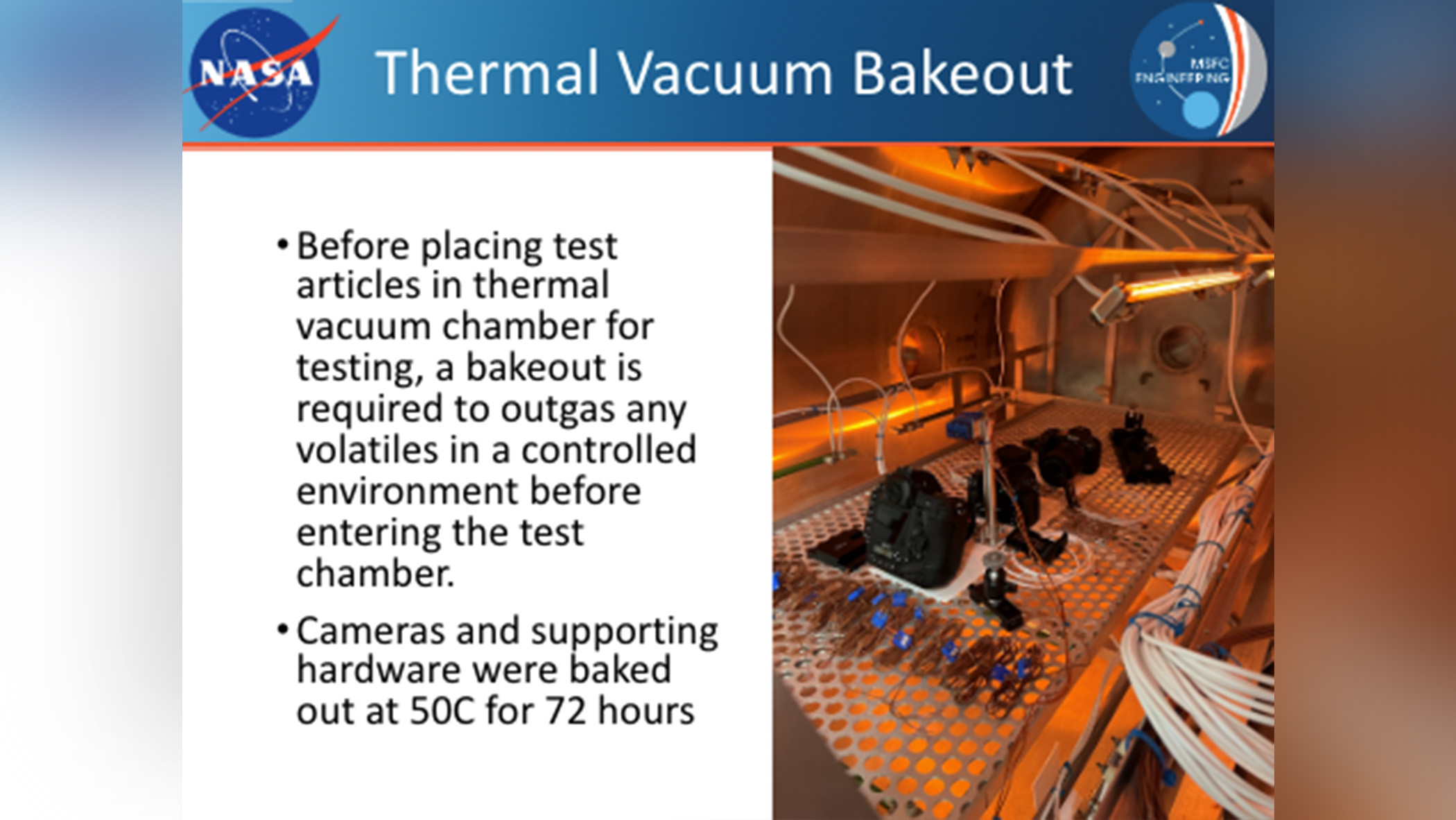
The results of some of these tests recently surfaced online and, surprisingly, highlight that modern, commercially available digital cameras without any special modifications are up to NASA’s astronomical standards, which I bet you never would’ve thought.
The results that have surfaced were from tests carried out on the Canon R5 and Nikon Z7 II mirrorless cameras, and the Nikon D6 DSLR, with the report published in 2022. NASA placed these cameras in a thermal vacuum where temperatures ranged from -30°C to +40°C (-22°F -104°F) and set them to record stills and 4K video.
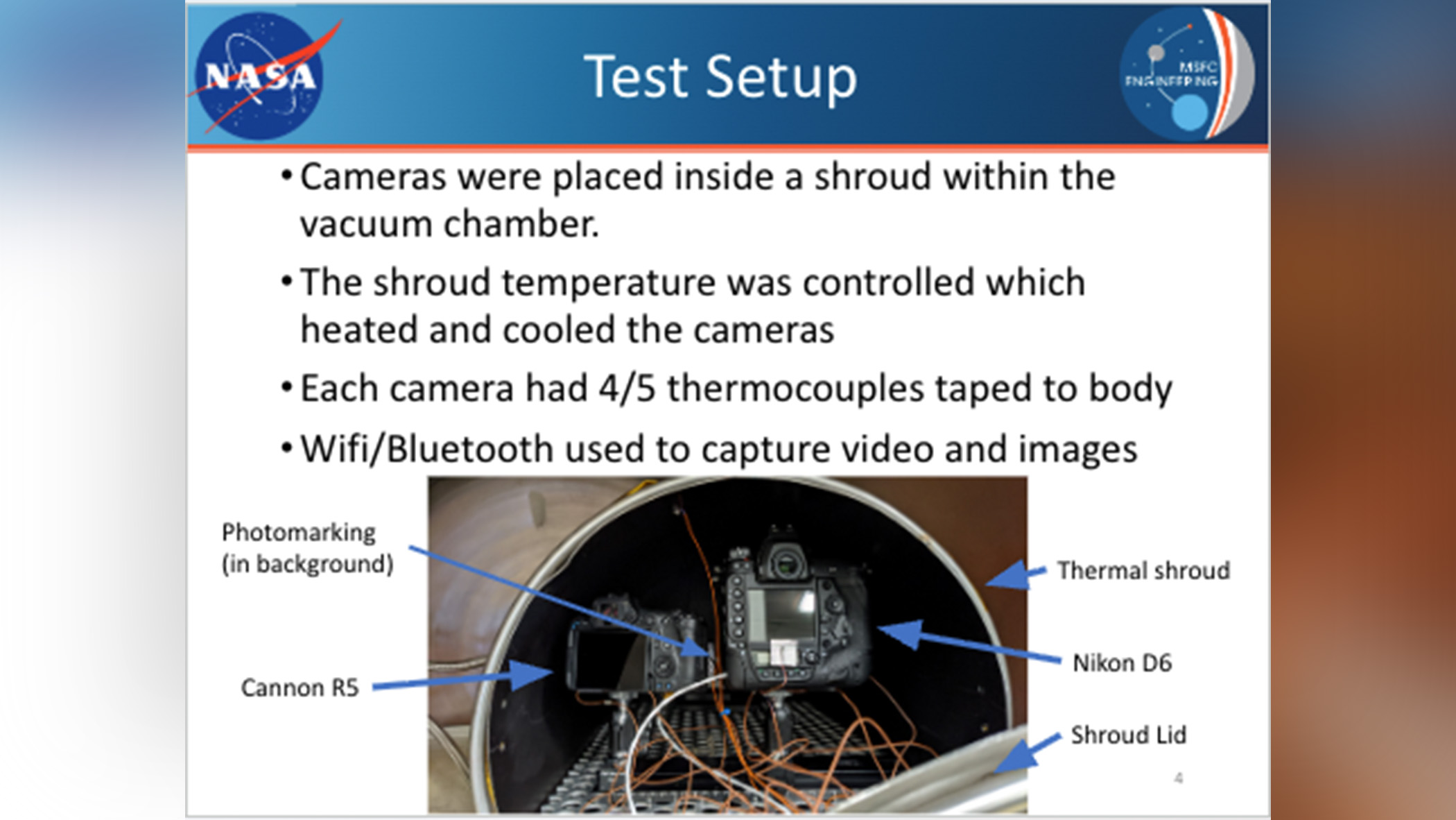
Both the Canon R5 and Nikon D6 operated successfully in the thermal vacuum across the temperature range, with the R5 noted as experiencing “no critical failures” and the D6 performance being “stable and reliable overall.” Although, the latter was tested under restricted conditions to avoid connectivity risks NASA had observed in other Nikon models.
The Nikon Z7 II, however, did not fare as well. While NASA noted that the mirrorless camera was stable and reliable overall, it didn’t complete full testing due to connectivity issues within the vacuum.
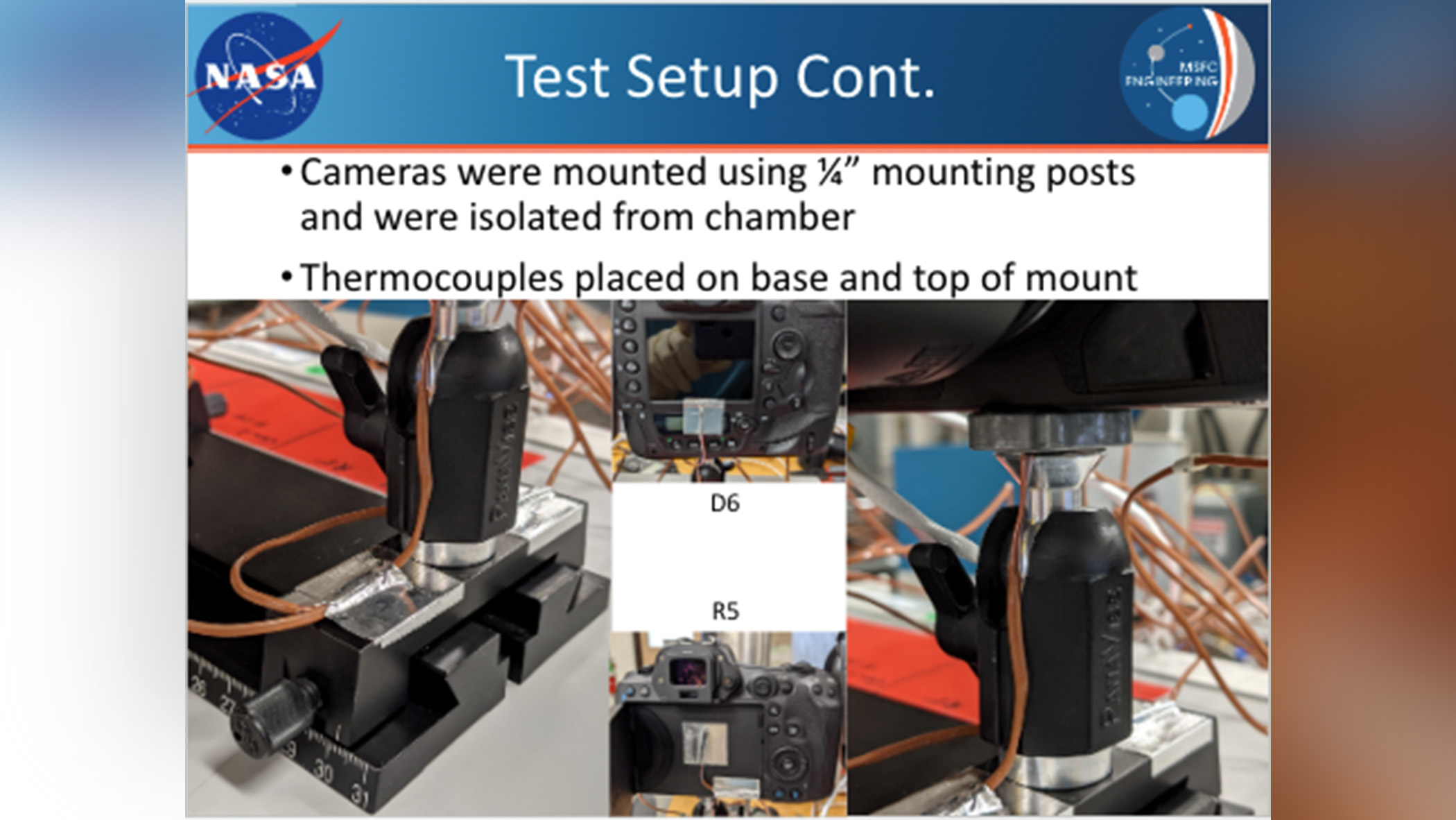
While the tests highlighted some shortcomings of these models in extreme environments, you need to keep in mind that these cameras were not modified in any way by NASA, meaning they featured the same specs that they would if you or I had bought them, which I find incredible.
I still hate how expensive cameras are, but admittedly, these results do make the hefty price tags a little more palatable.
You might also like
You can view over 12,000 of the images captured during the Artemis II mission in this "secret" album. Or, browse the best mirrorless cameras.