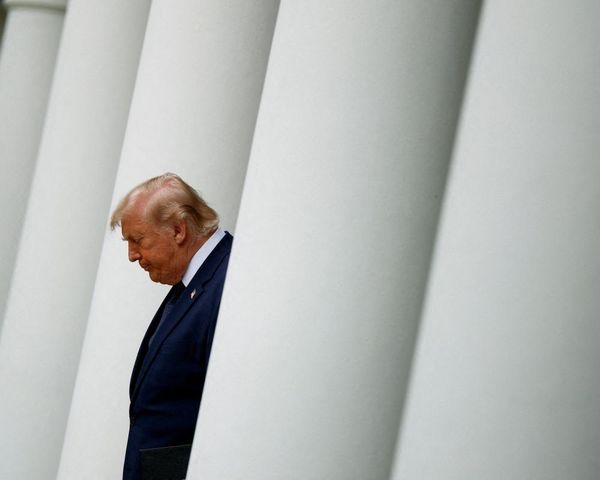
President Donald Trump finds himself increasingly cornered by both adversaries and allies over the protracted Iran conflict, a military engagement he initially presented as a swift incursion but which has since devolved into a stubborn stalemate.
The situation has grown particularly tense following a tentative agreement nearly a week ago between U.S. and Iranian negotiators to extend a ceasefire by 60 days and initiate new talks on Iran’s nuclear program, an accord awaiting Trump’s final approval.
However, Trump has demanded unspecified alterations to the agreement. Iranian officials, perhaps calculating that the Republican president is hesitant to resume bombardment after depleting key weapons systems, are showing no inclination to concede to these new demands.
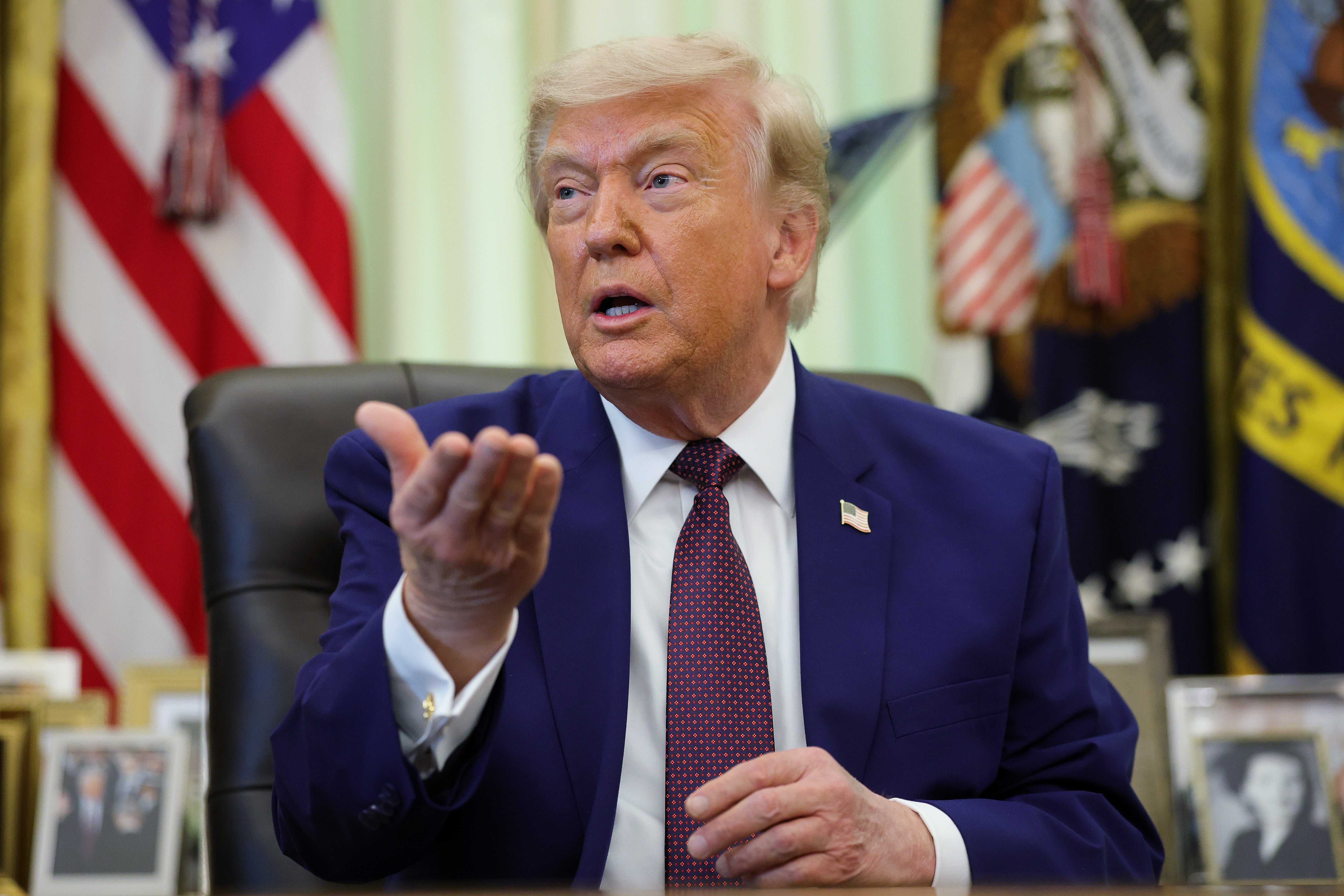
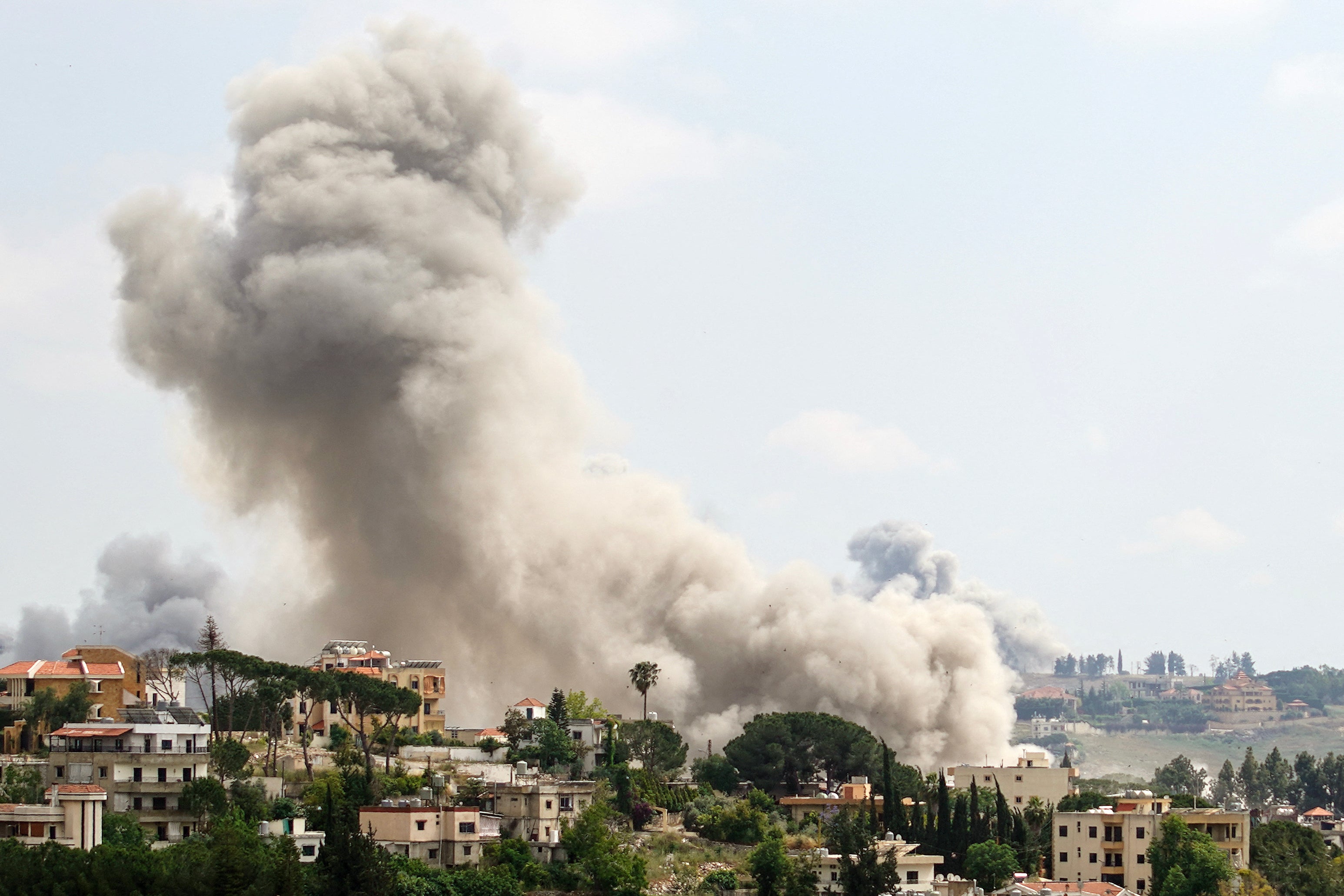
A series of recent strikes by both the U.S. and Iran has fueled fresh concerns about the ceasefire’s potential collapse. The president, however, downplayed their significance on Wednesday. "It’s a different part of the world," Trump told reporters in the Oval Office.
"You know, I’d say in that part of the world, a ceasefire is when you’re shooting in a more moderate manner."
This precarious moment follows repeated assertions from Trump since a 14-day ceasefire was established on April 7 – after 38 days of U.S. and Israeli bombing of Iran – that a deal was imminent and that the Iranian side was eager for a settlement.
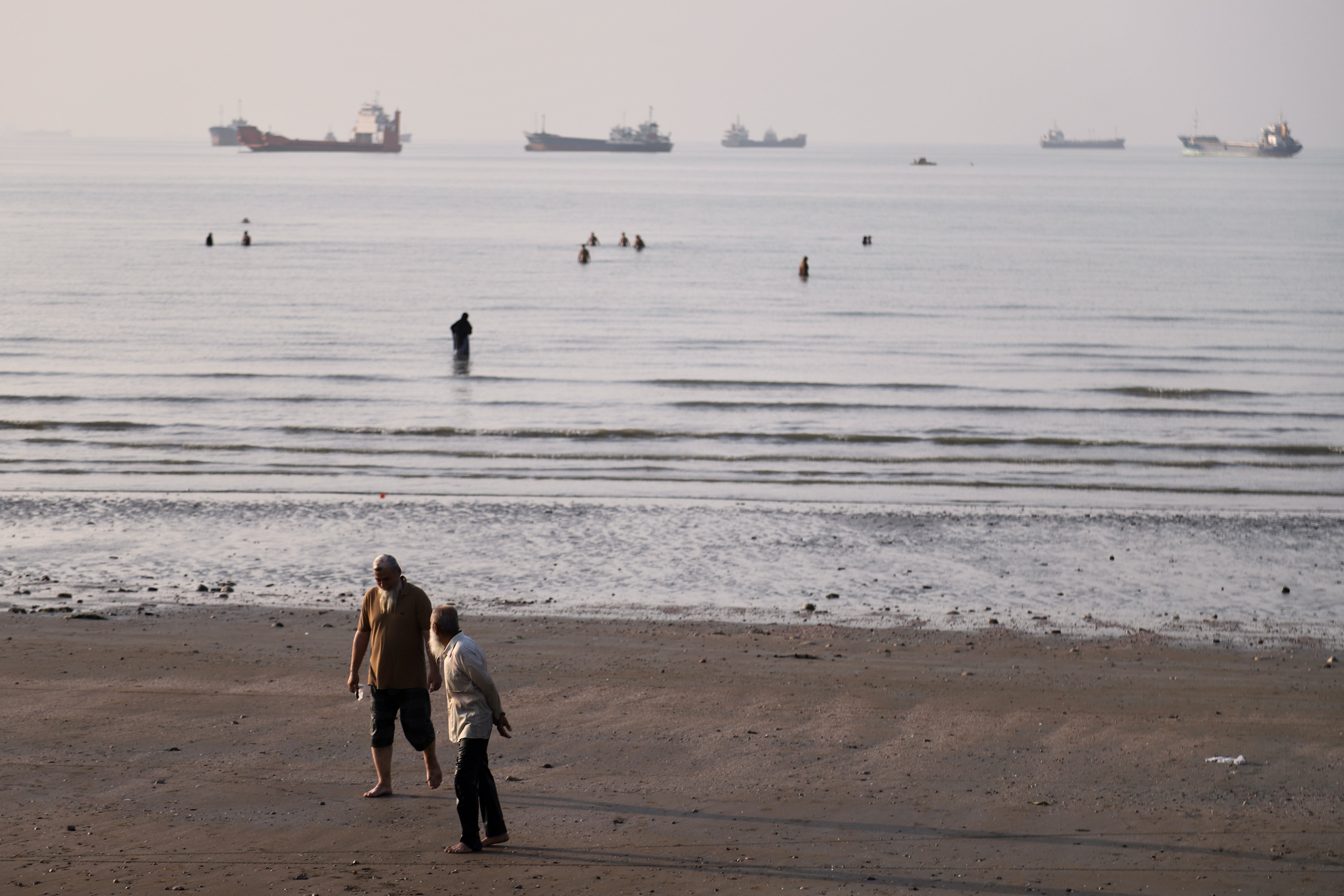
Trump suggested on Wednesday that an agreement might materialize "over the weekend." Without an interim settlement to reopen the Strait of Hormuz, global energy prices remain elevated, intensifying global anxieties about the rising costs of food, fuel, and other goods spurred by the three-month conflict.
After reports surfaced this week that Iran was halting negotiations, Trump told CNBC he "couldn’t care less" if the talks had stalled, even musing that they had become "boring."
There is growing apprehension within the administration and among key advisers and allies that Trump is now in a difficult position, according to a U.S. official and another individual familiar with internal deliberations, both of whom spoke anonymously to The Associated Press.
He is caught between Democrats who are highlighting soaring oil prices and hawkish elements of his base who warn that an early withdrawal from the conflict would be seen as capitulation.
Conversely, Trump is privately being advised by other Republican lawmakers, Pentagon officials, and Gulf allies that resuming the bombing campaign would be ill-advised.
Those cautioning against renewed military action point out that the U.S. has expended munitions at an unsustainable rate, with some key weapons systems potentially taking three years to replenish. Meanwhile, Gulf allies fear Iranian retaliation against their critical infrastructure and energy interests, further damaging their economies.
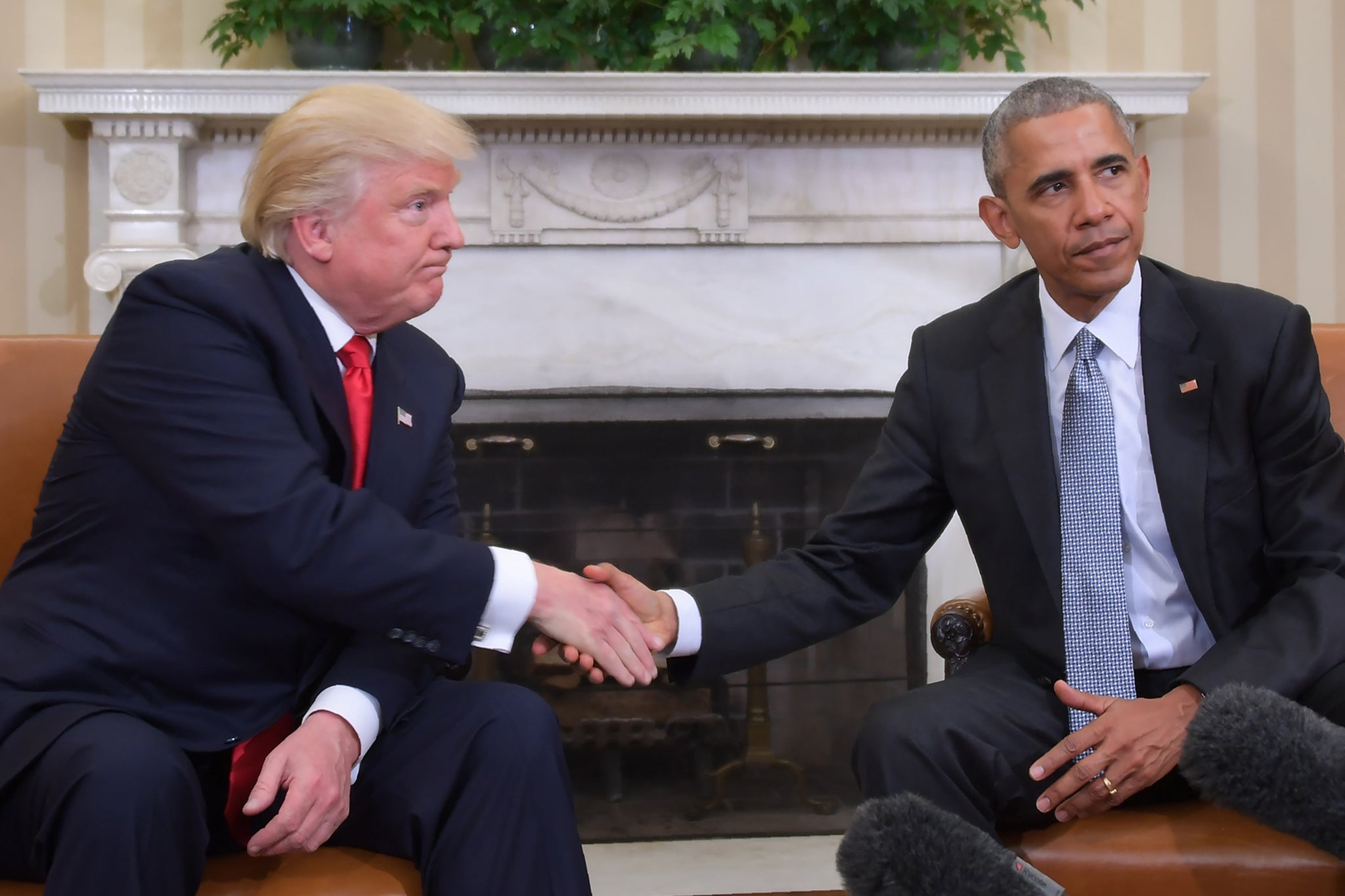
Simultaneously, Trump has expressed strong resistance to accepting any deal that resembles the 2015 nuclear agreement brokered by Democrat Barack Obama’s administration. That pact restricted Iran’s nuclear program in exchange for lifting international economic sanctions.
During his first term, Trump abandoned the agreement, arguing it failed to permanently halt Iran’s nuclear program, ignored its ballistic missile development, and did not penalize Iran for supporting militant proxy groups across the Middle East.
Now, according to those familiar with internal discussions, Trump has made it clear he feels strongly he cannot make "a bad deal" and is acutely aware of the risk of tarnishing his legacy if he missteps.
White House spokeswoman Anna Kelly dismissed the idea that Trump is cornered or that there is any concern within the administration about the pace of talks.
"These mysterious so-called ‘administration officials’ have no idea what they’re talking about — those actually involved in sensitive discussions know to trust in President Trump, who will always do what is best for U.S. national security," Kelly stated.
Israeli and hawkish allies in Washington have argued to Trump that a deal at this juncture would amount to an unconditional surrender, urging him to intensify economic pressure on Iran and support Israel’s assault on the Hezbollah militant group in Lebanon.
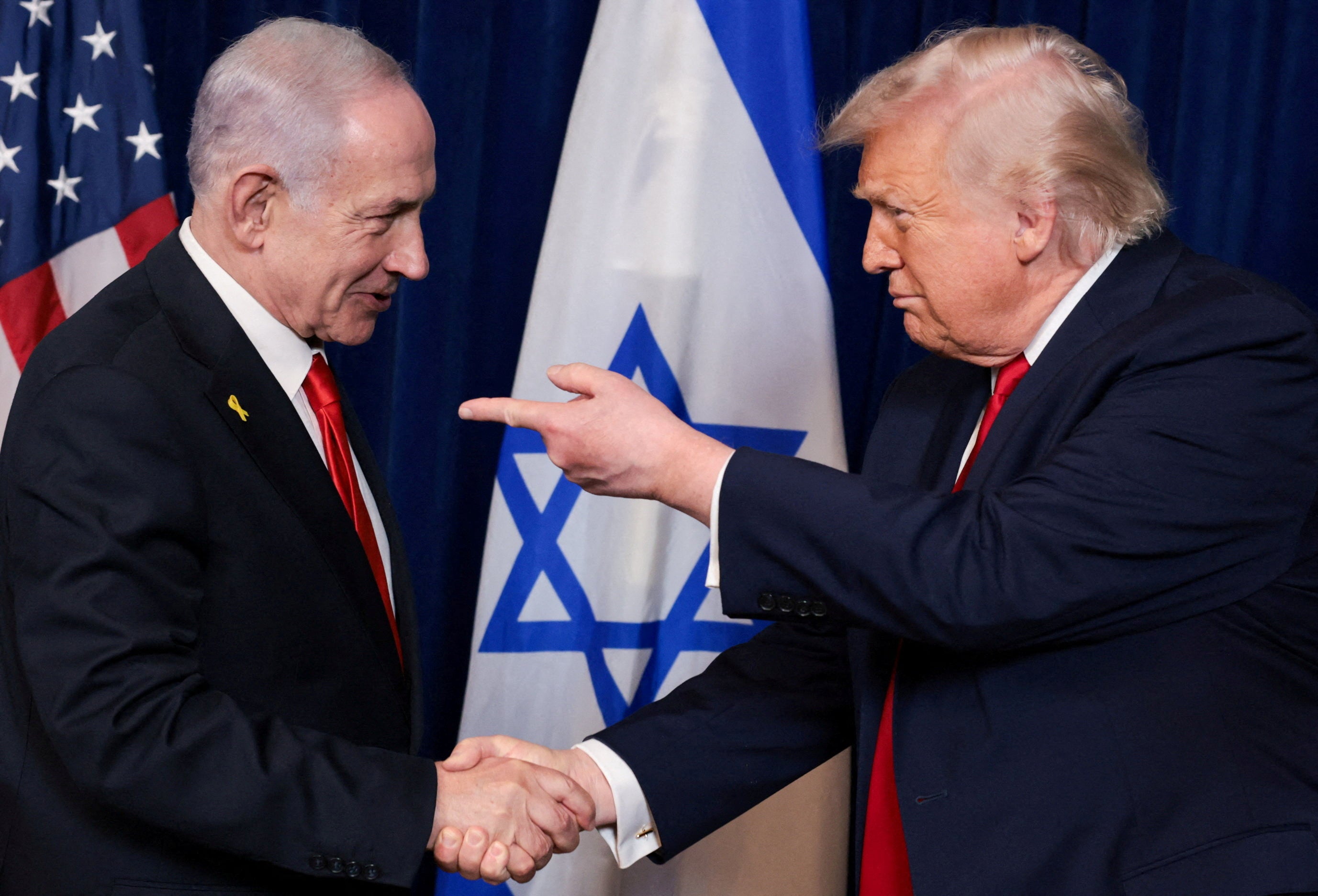
However, Trump earlier this week, in a heated call with Israeli Prime Minister Benjamin Netanyahu, demanded Israel stand down. On Wednesday, Israel and Lebanon announced they had agreed to renew a ceasefire. Hezbollah was not part of these Israel-Lebanon talks, which have been held at the ambassadorial level in Washington since early last month.
Remaining in the current status quo with Tehran – neither a full resumption of hostilities nor sealing an interim agreement to restart nuclear talks – is a situation Iran appears better positioned to exploit, argues Behnam Ben Taleblu, a senior fellow at the hawkish Washington think tank Foundation for Defense of Democracies.
Despite being the weaker party, Iran seems to be calculating that the longer this holding pattern persists, the better their chances are of "boxing in" Trump, he added. "Either way, Tehran appears more resolute than ever to not provide Trump with a victory image, hence why it isn’t budging on the battlefield or negotiating table," Taleblu said.

This prolonged uncertainty is also proving unhelpful for Republicans facing upcoming elections. Democrats are actively leveraging Trump’s handling of the unpopular war ahead of November’s midterm elections.
The House of Representatives on Wednesday passed a symbolic resolution calling for a halt in military action against Iran, with four Republican lawmakers joining Democrats in rebuking Trump’s war strategy.
During hours of hearings on Capitol Hill on Tuesday and Wednesday with Secretary of State Marco Rubio, Democrats lambasted Trump for disregarding the conflict’s economic impact on Americans and for failing to anticipate Iran’s closure of the Strait.
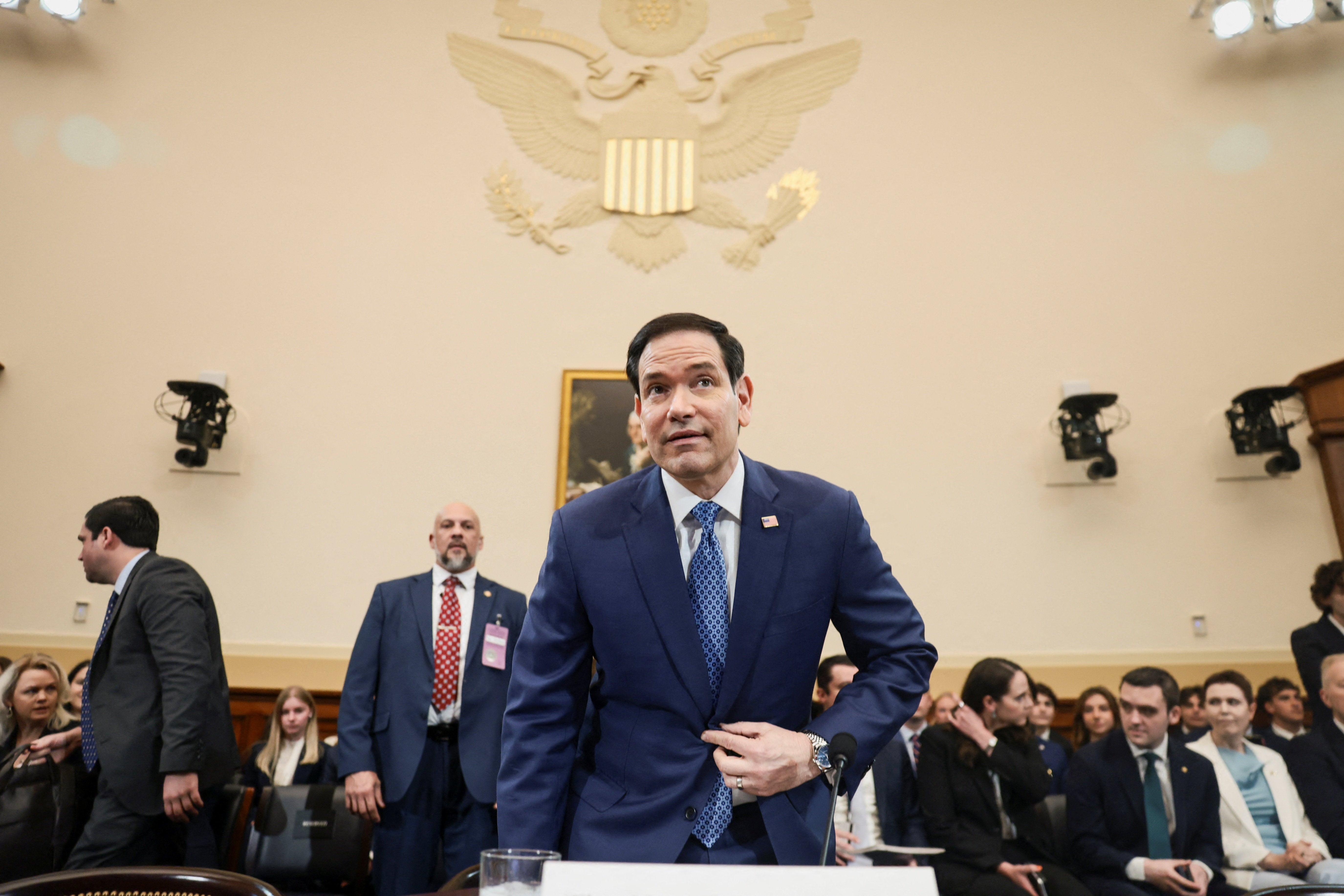
In one tense exchange, New Jersey Democratic Senator Cory Booker cited the unstable ceasefire as evidence that Iran holds the upper hand. "We are the strongest nation on the planet Earth, and we’re in a stalemate with Iran," Booker said. "And now we’re begging to get back into a deal that you all trashed in the first place."
Rubio dismissed the criticism, emphasizing that Iran has been put on the defensive by strikes that have eliminated multiple layers of senior leadership and left Iran’s economy in disarray.
"There’s no one begging," Rubio responded. "I don’t know where you’re getting this perception that Iran is stronger." Another Democrat, Senator Chris Van Hollen of Maryland, focused on Trump’s comments last month that voter anxiety about the cost of living was "not even a little bit" of a motivating factor for him to reach a deal to end the war.
The president continues to downplay rising gas prices for Americans and predicts that gas prices will fall sharply after the conflict ends.
Christopher Borick, the director of the Muhlenberg College Institute of Public Opinion in Pennsylvania, noted that Democrats running in swing districts nationwide are already targeting Trump’s rhetoric on the war’s impact on Americans’ finances.
"There’s significant risk in having this thing drag on for Republicans," Borick said.
"It’s certainly going to hurt if Trump ends up in a place where the war ends and Iran’s nuclear program is in the same place. But for Republicans in some of these tough swing districts, there’s a case to be made to rip the bandage off now, get some easing in the oil markets and hope there’s enough time for voters to turn the page."