A $1.8 billion settlement fund linked to Donald Trump has triggered sharp political debate in Washington after senior officials confirmed that eligibility rules remain broadly defined and open to interpretation.
The fund, described by the Justice Department as an Anti-Weaponisation Fund, is intended to compensate individuals who claim they were unfairly targeted by government action. However, key details about who can apply, how claims will be assessed, and who will ultimately receive payments remain unclear. The lack of specificity has raised concerns among lawmakers, who say the structure leaves too much room for ambiguity in a programme involving significant public money.
Eligibility Questions Remain Unanswered
Acting Attorney General Todd Blanche told a Senate appropriations subcommittee that eligibility is not restricted to a narrow group. He said that anyone in the United States may apply if they believe they were a victim of government weaponisation. His remarks came in response to direct questioning from senators seeking clarity on whether certain categories of individuals would be excluded from the fund.
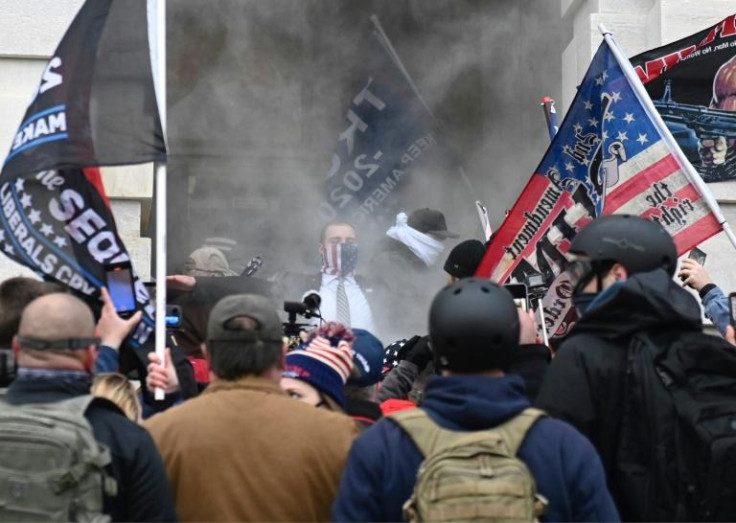
Senator Chris Van Hollen asked whether individuals involved in the 6 January Capitol attack, including those convicted of assaulting police officers, could be eligible. Senator Chris Coons also questioned whether political donors to Donald Trump might be able to benefit. Blanche did not provide categorical exclusions, stating instead that he would not go beyond the terms of the settlement agreement.
Senate Pressures on Oversight and Safeguards
The hearing reflected growing bipartisan concern over how the fund will be administered. Lawmakers pressed for clear safeguards to ensure that public money is not directed in ways that could create conflicts of interest or political favouritism. Blanche maintained that final decisions would rest with a five-member commission tasked with managing the fund. He added that it would not be solely his responsibility to determine eligibility.
However, the structure of that commission has also come under scrutiny. All five members are to be appointed by the Attorney General, with one selected in consultation with congressional leadership. Critics argue that this raises questions over how independent the decision-making process can be in practice.
Limited Transparency Provisions
According to Justice Department documentation, once funds are transferred into the designated account, the government will not retain responsibility for safeguarding or monitoring them. The commission will be required to provide reports to the Attorney General. However, those reports may not be made fully public. Officials have indicated that privacy laws could restrict disclosure of recipient identities and details of payments. This has led to concerns among lawmakers that the public may not have full visibility over how the fund is distributed or who benefits from it.
Political and Accountability Concerns
The combination of broad eligibility language, limited disclosure requirements, and discretionary decision-making has fuelled wider debate about accountability. Supporters argue the fund provides a mechanism for individuals who believe they have been wrongly targeted by state action to seek redress. Critics, however, warn that without strict criteria and transparent reporting, the system could face significant reputational risk.
At present, the Justice Department maintains that the fund operates within the framework of the settlement agreement. But many questions remain unresolved as lawmakers continue to demand clearer rules before large-scale claims begin to move forward. With billions of dollars at stake and eligibility boundaries still undefined, the controversy is likely to remain a focal point in Washington political debate.