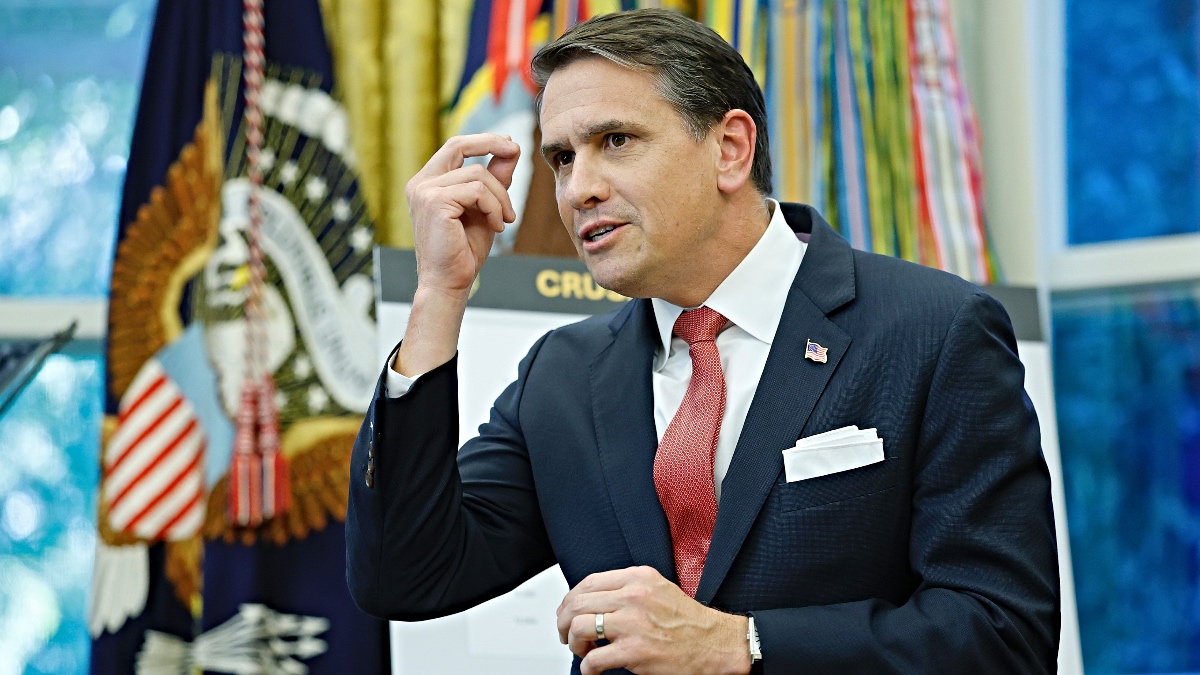
In a prosecution question about one of the most sensitive criminal cases ever, Todd Blanche chose precision over empathy. “It’s not a crime to party with Mr. Epstein” may satisfy the law. But it does not satisfy a country still trying to bring justice to those who were wronged.
On Feb. 3, Todd Blanche appeared on The Ingraham Angle. Host Laura Ingraham asked him whether anyone named in the newly released Epstein documents could face prosecution:
Is there any chance that any of these individuals who partied with Epstein and engaged in relations with minors will be prosecuted?
Blanche’s answer was immediate and striking. “It is not a crime to party with Mr. Epstein,” he replied. He repeated the phrase more than once, adding that “it’s not a crime to email with Mr. Epstein.” At the same time, he insisted the Department would investigate any credible evidence of misconduct. However, he reiterated that Americans needed to understand that association itself was not criminal.
But the statement was insensitive and even more so, infuriating. So, Ingraham pushed back. Some of the photos, she noted, looked like more than just partying. “If those photos could speak, some of them were pretty bad,” she told Blanche. But his response was still clinical. “Photos can’t speak,” he said. “We need credible evidence.”
What Blanche was technically saying and why it landed so badly
Blanche is not wrong on a narrow legal point. Mere association with a criminal, even one as notorious as Epstein, is not itself a crime. Prosecutors need evidence of specific illegal acts. But the issue was never whether guilt can be assigned by proximity alone. The issue was tone, timing, and emphasis.
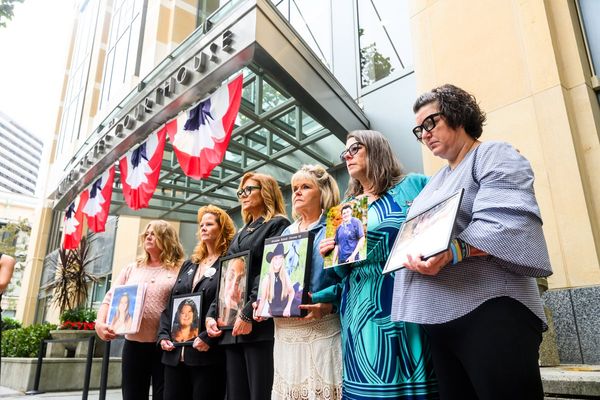
The Justice Department had just released millions of pages of Epstein-related materials. These include documents, emails, photos, and videos tied to a trafficking network that exploited minors for years. Survivors have spent decades being told that what they experienced was uncorroborated or complicated (via People).
Against that backdrop, Blanche chose to lead not with victims, but with reassurance for those who were close enough to Epstein to be photographed with him. By repeating “it’s not a crime to party with Mr. Epstein,” Blanche reduced a sprawling system of exploitation to a social faux pas. That rhetorical choice is what triggered outrage.
“Photos can’t speak”
Ingraham’s instinctive reaction captured what many viewers felt. The issue with the Epstein files isn’t just names on a guest list. It’s images and patterns. It’s the fact that Epstein’s crimes did not occur in isolation, and that social access often overlapped with abuse. And Blanche’s answer that photos “can’t speak” may be true in a courtroom sense.
But outside the courtroom, it sounded like dismissal. Photos may not testify, but they can corroborate. They can establish relationships, timelines, and credibility. To wave them away so casually, especially in a case defined by power and silence, came across as willful blindness.
Blanche has made the same the point before
The Feb. 3 interview wasn’t an isolated comment. Blanche has made similar statements in an interview with ABC News. He has emphasized that the Department’s review of the Epstein files is “over” and the materials do not justify new charges without additional evidence.
In each instance, he has stressed legal thresholds while critics argue he has downplayed moral urgency. That pattern has fueled suspicion that the DOJ is more focused on closing the book than confronting what the book contains. Especially because the administration is already facing questions about conflicts of interest after Trump’s name appeared in the files.
Todd Blanche is closely related to Trump, making his statement sound worse
Blanche is not just any prosecutor, he is Donald Trump’s former personal attorney. That fact matters, especially as Trump himself has faced renewed scrutiny over past associations with Epstein. His name has appeared over a thousand times in the documents and none in good light.
So, when Trump’s accomplice tells the public to not overthink who was around Epstein, skepticism is inevitable. “It’s not a crime to party with Epstein” may be legally accurate. But the statement is also emotionally jarring in a case where partying was often the gateway to abuse.
In that light, survivors, advocates, and commentators reacted negatively to Blanche’s comment. The public doesn’t need a lecture on evidentiary standards at this time. They need confidence that the system is not reflexively shielding the powerful.
But Blanche’s comments did the opposite. They sounded like a preemptive defense of everyone who got close enough to Epstein to leave a paper trail. And that’s the last thing people want to hear right now.
Have a tip we should know? [email protected]