President Donald Trump's allies are increasingly expressing concern that high energy prices are overshadowing what Republicans view as key economic achievements, creating a political challenge ahead of this year's midterm elections.
According to a report published Monday by The Washington Post, conservative economists, policy advisers, and Republican strategists worry that inflation driven by higher oil prices is making it more difficult for voters to feel the benefits of the administration's tax cuts, deregulation efforts, and trade policies.
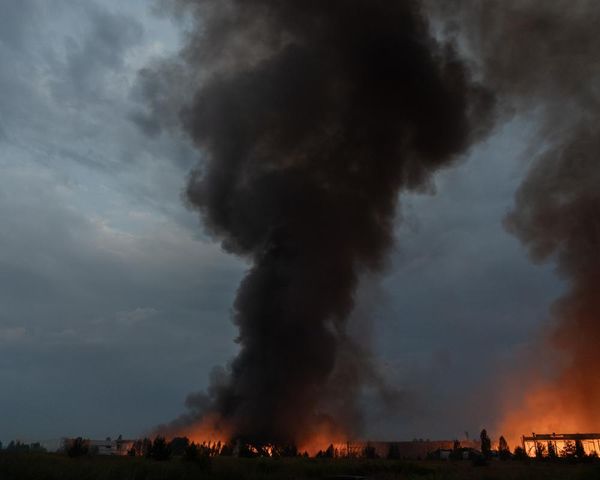
The concern comes after inflation climbed above 4% in May, reaching its highest level in three years. Economists attribute much of the increase to soaring energy costs following disruptions to oil shipments through the Strait of Hormuz during the war in Iran. Consumer prices rose 4.2% year-over-year, while core inflation, which excludes food and energy, remained lower at 2.9%.
"It's not good. There's no way to sugarcoat this," E.J. Antoni, chief economist at the Heritage Foundation and a former Trump pick to lead the Bureau of Labor Statistics, said during an appearance on Steve Bannon's "War Room" podcast. Antoni argued that inflationary pressures tied to the war are overwhelming the administration's economic gains.
The issue has become particularly sensitive as Republicans prepare for congressional races that could determine control of the House and Senate. Rising gasoline prices remain one of the most visible economic indicators for voters, often shaping public perceptions of the broader economy.
Daniel Kishi, a senior policy adviser at the conservative think tank American Compass, told the Post that inflation has complicated efforts to highlight what supporters see as successful trade and immigration policies. He acknowledged that the conflict in Iran carries "near-term political costs," even if supporters argue the military campaign serves broader strategic objectives.
The administration, however, maintains that the economy remains fundamentally strong. The United States added 172,000 jobs in May, while unemployment held steady at 4.3%, figures that exceeded many economists' expectations. Consumer spending has also remained relatively resilient despite higher prices.
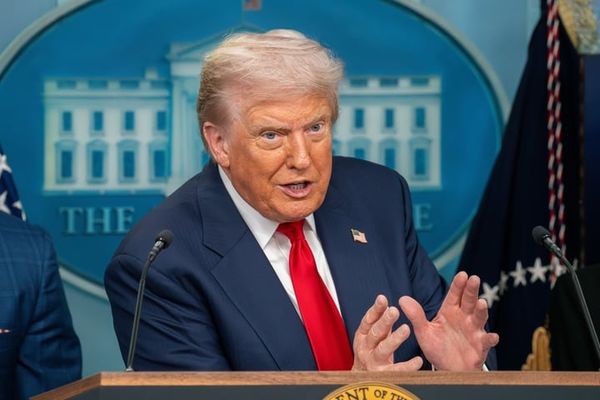
President Trump has repeatedly downplayed concerns about inflation, arguing that the rise in prices is temporary and tied largely to energy markets. Speaking at the White House after the latest inflation report, Trump said oil prices would fall sharply once hostilities ease. "When it's over, you will see oil drop to where it was before," Trump said. "It's coming down. It's going to come down like a rock."
The administration also pointed to declines in the prices of prescription drugs, automobiles, auto insurance, and certain food products. Not all Republicans are convinced voters will focus on those improvements.
Richard Stern of Advancing American Freedom, a think tank founded by former Vice President Mike Pence, said long-term economic fundamentals may remain favorable, but acknowledged that gasoline prices dominate public discussion.
"For politicians and certainly for people who are running for reelection in the next several months, gas prices really are the major thing that consumes the oxygen in the room," Stern told the Post. The inflation debate could become even more significant this week as the Federal Reserve prepares for its June 17 policy meeting.