EARLIER this year, MSPs gave a damning verdict on the BBC insisting it must have more Scottish voices, be clearer on devolved and reserved issues and give Welsh and Gaelic equal status.
Holyrood 's culture committee expressed concern in March over a "long-standing frustration" with the BBC not serving licence fee payers in all parts of the UK by missing opportunities to be precise in its reporting of issues which only apply to England or Scotland.
So are these issues new BBC director-general Matt Brittin – who has started in the role today – will be prepared to devote his time to resolving?
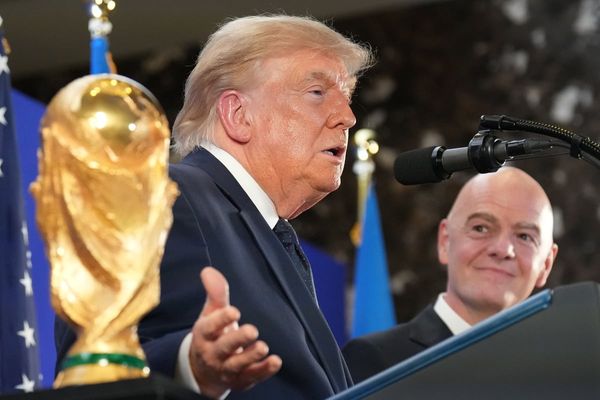
Along with dealing with the Donald Trump lawsuit over an episode of Panorama, sweeping cuts and controversy over how the corporation handled the broadcast of a racial slur at the Bafta film awards, coverage of Scotland is an issue Brittin needs to take seriously.
In February, then-culture secretary Angus Robertson accused the BBC of “misleading” viewers and listeners by “misreporting” news from the devolved government , insisting the broadcaster “has [a] systemic problem in its news coverage” of Scotland.
Meanwhile, SNP depute leader Keith Brown claimed there was a "pathological objection" to covering reserved issues that impact Scotland at the BBC.
There is a deep level of mistrust and frustration with the BBC in Scotland, and it has been bubbling away ever since a study conducted by Professor John Robertson of the University of the West of Scotland found a heavy BBC bias towards the No campaign in the run-up to the 2014 referendum on Scottish independence.
In the Our BBC, Our Future questionnaire, just over half of those surveyed (51%) said the BBC is currently “effective” in reflecting “different parts of the UK and the lives of those who live there”, with 24% saying it is “ineffective” at this.
Tom Chivers, vice chair of campaign group the Media Reform Coalition, told The National Brittin must look to build a new relationship with Scotland as a priority.
He said: “Matt Brittin must reckon with the serious loss of trust and esteem for the BBC felt by people in Scotland, Wales and Northern Ireland.
“He needs to break out of that London media bubble that too often treats the nations as an afterthought.

“The BBC should reflect and champion the distinct needs of Scottish, Welsh and Northern Irish audiences as well as those in the English regions.
“Brittin must commit to building a new relationship with the nations that treats all audiences as equal partners in the BBC’s essential public service mission.”
Brittin has said the BBC must “experiment more bravely” and “test ideas, learn quickly and back what works”.
“Audiences will value the fact we are listening, innovating and working hard to serve them better,” he added.
He also said he wants to “reinvent public service broadcasting for the 21st century”.
But there is already suspicion among campaigners about this with David Edwards, editor of Media Lens, calling this “bland corporate newspeak”.
“It distracts from the crucial issue facing the BBC – that its reporting is manifestly compromised by the influence of state-corporate power,” he told The National.
“This is overwhelmingly clear from its deeply biased reporting on virtually every key issue, notably foreign policy (for example, Israel, Gaza, Iran and Venezuela), the climate crisis, Scottish independence, and coverage of the Green, Reform and Labour parties.”
The headline quote the BBC has pulled out from Brittin is “tough choices are unavoidable”.
As the way people consume news and entertainment rapidly changes, no one is doubting this.
But there are also easy choices for Brittin to make and one of those would finally be treating Scotland with the respect it deserves and ensuring its people are served properly.