A top midwife has warned maternity care on the NHS is not “good enough” as increasing numbers of women are dying during pregnancy or in the weeks after giving birth.
The NHS has announced maternity services in England will need to overhaul clinical standards to significantly reduce the number of deaths, and is set to offer extra tests for blood clots and mental health.
According to a report published last year by MBRACE-UK at the University of Oxford, maternal mortality has increased by 21 per cent since the rates from 2009 to 2011, or 7 per cent excluding Covid-related deaths.
The NHS said there were 252 maternal deaths between 2022 and 2024, and 257 women died during or after pregnancy between 2021 and 2023. Research shows improvements in care may have made a difference to the outcome for almost half (45 per cent) of these cases.
Kate Brintworth, chief midwifery officer for England, told Sky News: “None of us think that care is in the right place. We don’t think things are good enough. But we are starting to see improvements in safety with all the packages of care we have put in.
"It's a terrible anguish to lose a child. I think it's one of the worst things that can happen to a human, and our responsibility as leaders in maternity is to make sure those families don't experience that anguish."
.jpeg)
The changes to NHS maternity care will see all pregnant women offered an early risk assessment for venous thromboembolism – blood clots that form in deep veins and are now the leading cause of maternal mortality – before their first antenatal appointment. Those identified as being high risk will be offered blood thinners to prevent any clots within 72 hours.
Women with epilepsy will also have access to a local specialist team for managing epilepsy in pregnancy and access to safe medication. There will also be routine mental health assessments and those who need help will be referred to a specialist in perinatal mental health.
Maternal suicides were the leading cause of maternal death occurring between six weeks and one year after the end of pregnancy between 2022 and 2024, with deaths from psychiatric causes accounting for 33 per cent of deaths in this period.
Women experiencing a haemorrhage or significant bleeding after birth will receive care from specialist obstetricians and anaesthetists sooner, and significant blood loss will be escalated earlier.
The measures will be rolled out in March 2027 and are expected to reduce the number of deaths caused by blood clots, strokes, cardiac disease, suicide, sepsis, obstetric haemorrhage and pre-eclampsia, which account for 52 per cent of maternal deaths.
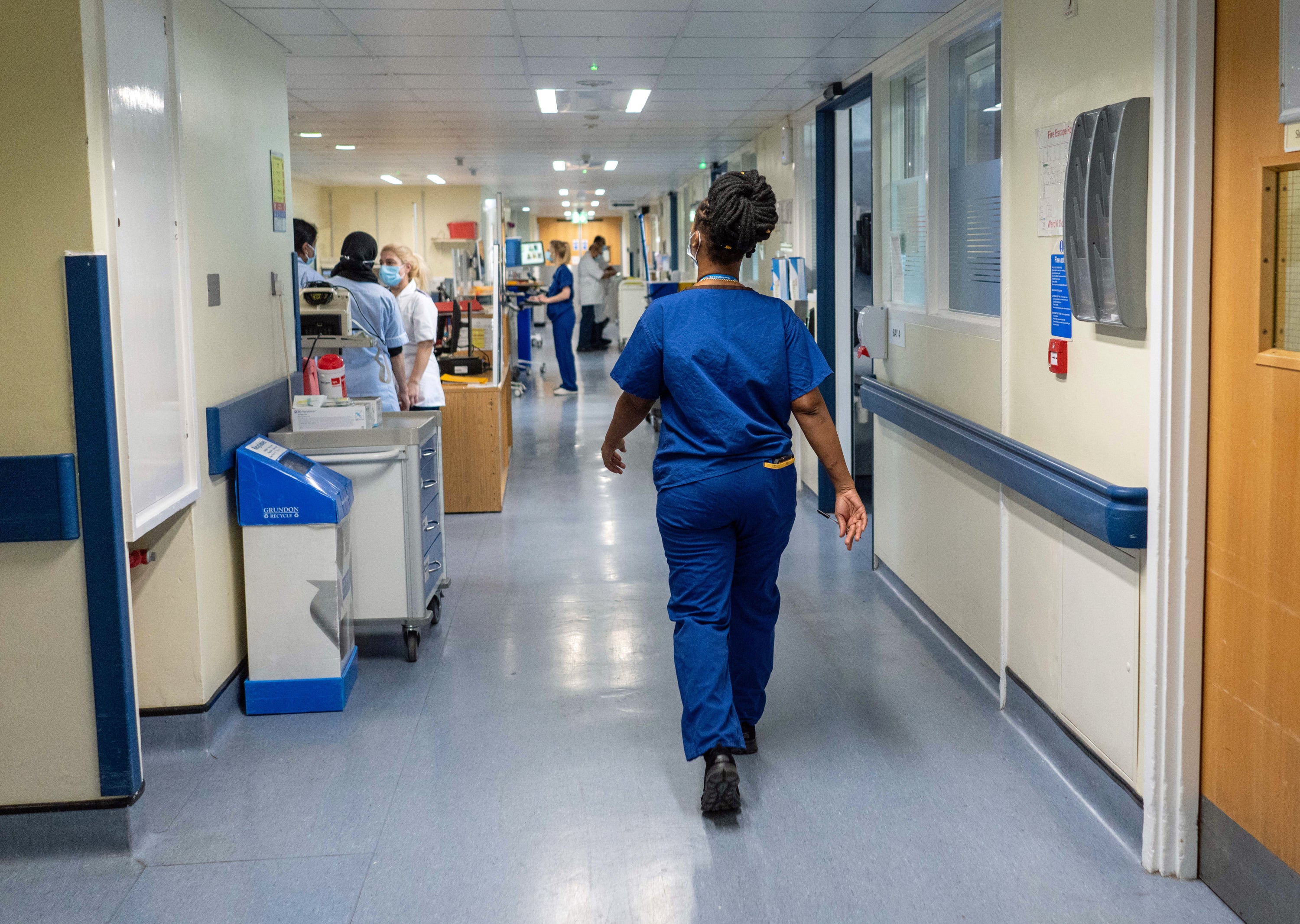
Ms Britworth hopes these changes will ensure avoidable deaths are significantly reduced.
She said: “Every death during or after pregnancy is a tragedy, especially when differences in care may have changed the outcome.
“We still see symptoms of serious medical problems being missed, especially for Black and Asian women.
“By setting out these clinical standards and holding hospitals to account we can significantly reduce avoidable deaths and prevent future tragedies.
“One in five women will have a medical issue during pregnancy, yet many of these aren’t caught early enough – these measures, including more risk assessments in early pregnancy, will ensure no stone is left unturned.”
Health secretary Wes Streeting stressed he is “determined to transform maternity care” and said the NHS has hired 2,000 more midwives.
"Every woman deserves to feel safe and supported throughout pregnancy and childbirth,” he said. “While the vast majority of births are safe, we know that some women are being harmed from conditions that are completely treatable and preventable.
"These new clinical standards will mean every woman gets the risk assessment and care they need from the very start of their pregnancy.”
UK cancer cases hit record high as NHS buckles under worst ever waiting times
Six-year-old girl has vision restored after first-of-its-kind NHS eye gene therapy
UK passes bill that will eventually ban cigarette purchases
Half a million Britons’ medical data stolen in UK Biobank hack
Why a pint after work could offer surprising benefit to your brain
Study reveals why firstborn children are more likely to earn more