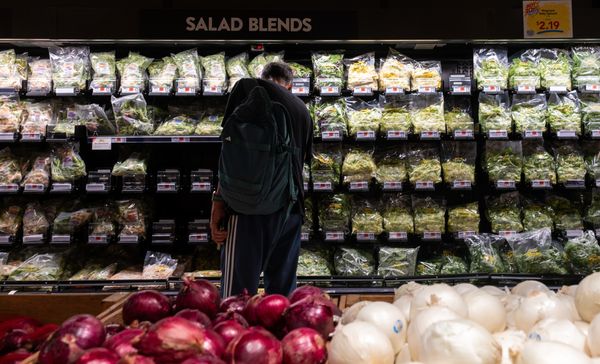

A fully stocked refrigerator is a comforting sight, but it also represents a ticking clock for food safety. We frequently push leftovers to the back of the shelf and completely forget about them during a busy week. Ignoring these hidden containers creates a perfect breeding ground for dangerous bacteria that can cause severe gastrointestinal distress. Protecting your family from violent foodborne illness requires strict vigilance and a willingness to throw old food away. Let us review the warning signs and why you should never leave these 5 food items in your refrigerator for more than a week.
1. Fresh Deli Meats
Buying fresh-sliced turkey or roast beef from the supermarket deli counter provides a fantastic foundation for quick lunches. However, these premium meats lack the heavy chemical preservatives found in tightly sealed commercial plastic packaging. Once the butcher slices the meat, it becomes incredibly vulnerable to rapid bacterial growth even in a cold environment. You must consume the entire package within three to five days to guarantee it is safe for your stomach. If the meat develops a slimy texture or a strange, sour odor, you must discard it immediately without tasting it.
2. Cooked Pasta Leftovers
Families frequently cook massive pots of spaghetti or macaroni to ensure they have cheap leftovers for the next day. Many people mistakenly believe that boiled starch lasts forever sitting in a cold, dark plastic storage container. Cooked pasta spoils surprisingly fast and can harbor a dangerous bacterium known as Bacillus cereus. This specific pathogen survives the cooking process and multiplies rapidly as the noodles sit quietly in the fridge. Eating week-old pasta is a massive health risk that can easily trigger severe stomach cramps and dehydration.
3. Opened Tomato Paste
Many fantastic dinner recipes require just one tiny spoonful of rich tomato paste to build a complex, savory flavor. Home chefs typically cover the open aluminum can with plastic wrap and shove it deep into the refrigerator door. The highly acidic nature of the tomatoes reacts poorly with the exposed metal can once oxygen enters the equation. This chemical reaction degrades the flavor of the food and allows dark mold to grow rapidly across the surface. You should always transfer leftover paste to a sealed glass jar or simply freeze it in tiny ice cube trays.
4. Soft Berries and Grapes

Fresh summer fruit is expensive, so it hurts to watch it rot in the bottom drawer of your fridge. Soft-skinned fruits like strawberries and raspberries carry thousands of tiny natural mold spores on their delicate exterior surface. Washing the berries before you store them introduces excess moisture that accelerates the rotting process dramatically. The fuzzy mold spreads rapidly from a single bad berry to ruin the entire expensive plastic clamshell overnight. You should only wash your fruit exactly when you plan to eat it to extend its brief culinary lifespan.
5. Raw Ground Poultry
Purchasing lean ground turkey or chicken is a brilliant strategy for lowering the total fat content of your family dinners. You must treat this raw ingredient with extreme caution because the grinding process mixes surface bacteria deep into the meat. Raw ground poultry spoils incredibly fast and should never sit in your refrigerator for more than two consecutive days. If you do not plan to cook the meat immediately, you must transfer it directly into your deep freezer. Consuming spoiled poultry guarantees a miserable and highly dangerous trip to the local emergency room.
Practicing Kitchen Hygiene
Maintaining a clean and safe kitchen requires performing a ruthless weekly audit of your cold storage shelves. You should invest in a roll of cheap masking tape to label every single container with the exact cooking date. Embracing the concept of when in doubt, throw it out is the ultimate defense against food poisoning. Tossing a few dollars’ worth of old food into the trash is vastly cheaper than paying a massive hospital bill. Treating your refrigerator like an active biological zone keeps your family safe and healthy all year long.
How often do you clean out your refrigerator? Share your kitchen safety tips in the comments below!
What To Read Next
Produce Storage: 12 Fruits to Ripen on the Counter Before Refrigerating
8 Food Storage Mistakes That Are Ruining Your Budget
Save Money and Waste Less with our Buying and Storage Guides
10 Frozen Foods That You Shouldn’t Store In The Freezer Over 30 Days
Nationwide Cantaloupe Recall: What Shoppers Need to Know About Salmonella
The post Never Leave These 5 Food Items In Your Refrigerator More Than A Week appeared first on Grocery Coupon Guide.