Novelist Akira Yoshimura (1927-2006) created many masterpieces -- including "Senkan Musashi" (Battleship Musashi) and "Hagoku" (Prison break) -- based on masses of information that he collected and meticulously organized. At the Yoshimura Akira Kinen Bungakukan (Literature museum in memory of Akira Yoshimura) in Arawaka Ward, Tokyo, visitors can trace how his writing evolved.
The museum was built by the Arakawa Ward government in March 2017 at Yui no Mori Arakawa -- a building complex housing such facilities as a library -- in honor of the Arakawa Ward native's achievements. During his life, Yoshimura was initially negative about the idea of using tax money to build the museum, but the ward government's enthusiasm led him to eventually agree, on condition that it be built together with a library and other facilities.
Yoshimura's wife Setsuko Tsumura, 90, serves as the honorary head of the museum, which displays about 50 items, including manuscripts and notebooks Yoshimura used while collecting information. Also a writer, Tsumura is a winner of the Akutagawa Prize, a prestigious literary award in Japan.
An inspiring Japanese phrase is written on a banner at the entrance to the second floor: "Literature is a thoroughly pursued battle."
This phrase was used in a letter Yoshimura sent to Tsumura around 1952 before their marriage, and a copy of the letter is exhibited at the museum. The letter also shows his determination and resolve as a novelist through such statements as "I'll make it" and "[Writing] is a work done in thorough solitude."
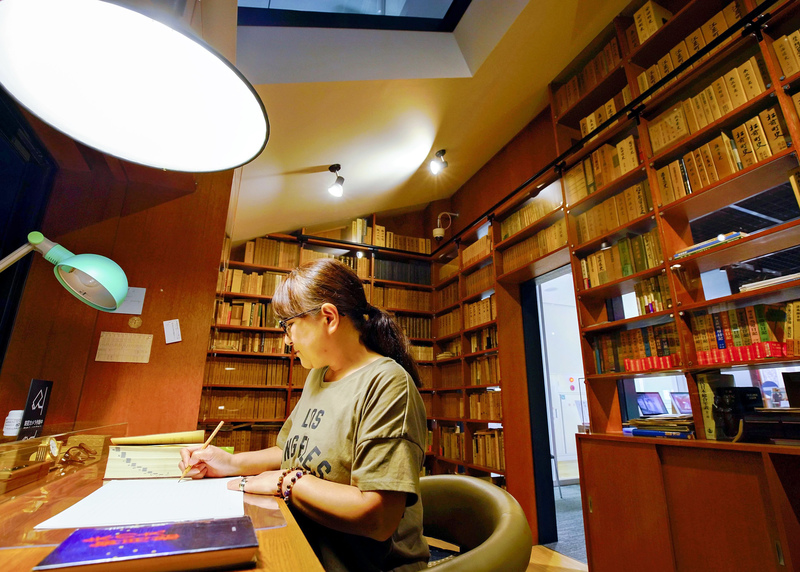
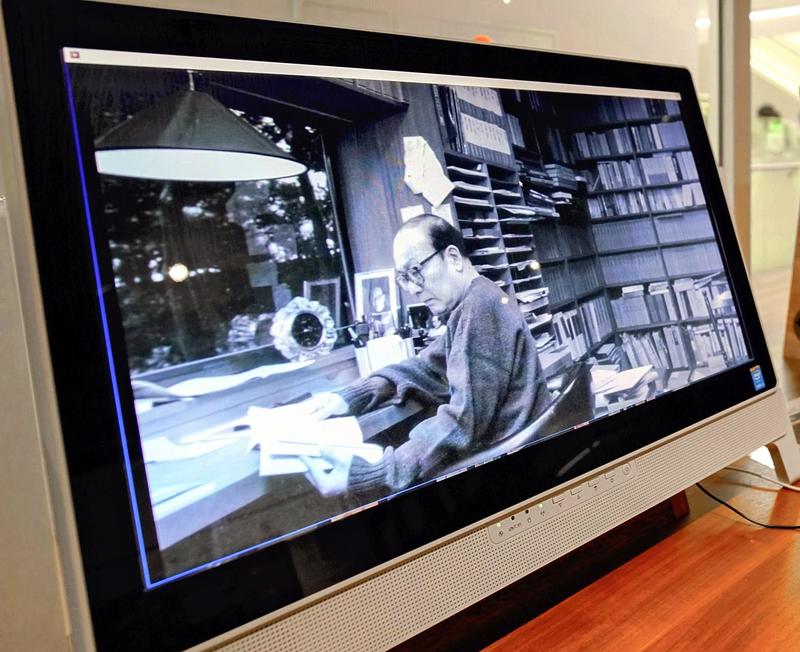
The most eye-catching section is the re-creation of the study at his home in Mitaka, Tokyo. Yoshimura's desk was wide, so he could put as many documents on it as possible. On the replicated desk are sheets of the kind of manuscript paper he used, and visitors can have the hands-on experience of writing at the desk.
"Once you enter Mr. Yoshimura's creative space, you feel as if you've become a writer," said a section chief of the ward office in charge of Yui no Mori.
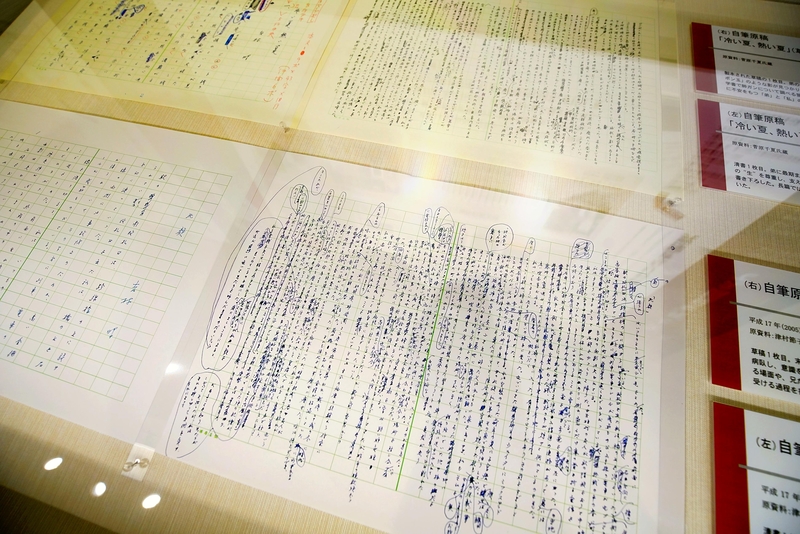
Near the exit on the museum's third floor is a copy of the draft manuscript of his posthumous work titled "Shinigao" (Dead person's face). He used to write numerous letters and characters on his manuscript paper, fitting in the equivalent of 10 sheets' writing on one page. The letters and characters are extremely crowded in the draft manuscript, too -- an indication that he maintained this writing style throughout his life.
Yoshimura used to call his works "documentary literature," not nonfiction. The museum shows how he faced literature alone and came through the battle.
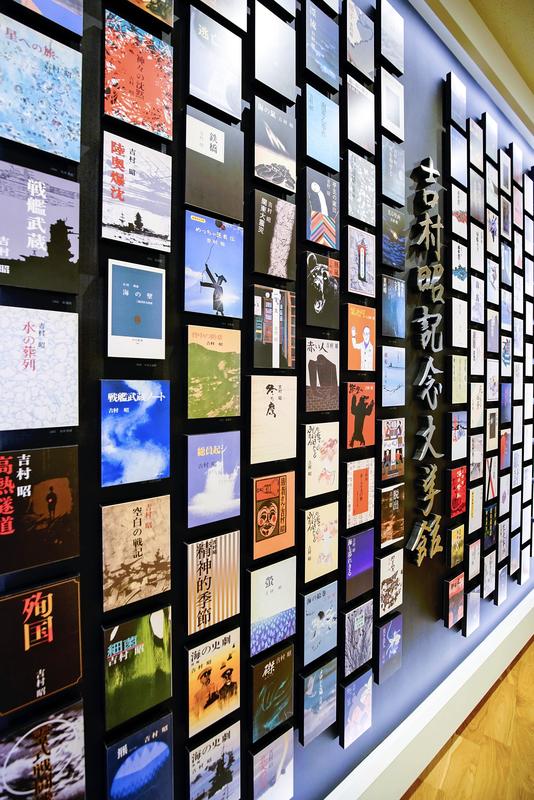
-- Yoshimura Akira Kinen Bungakukan
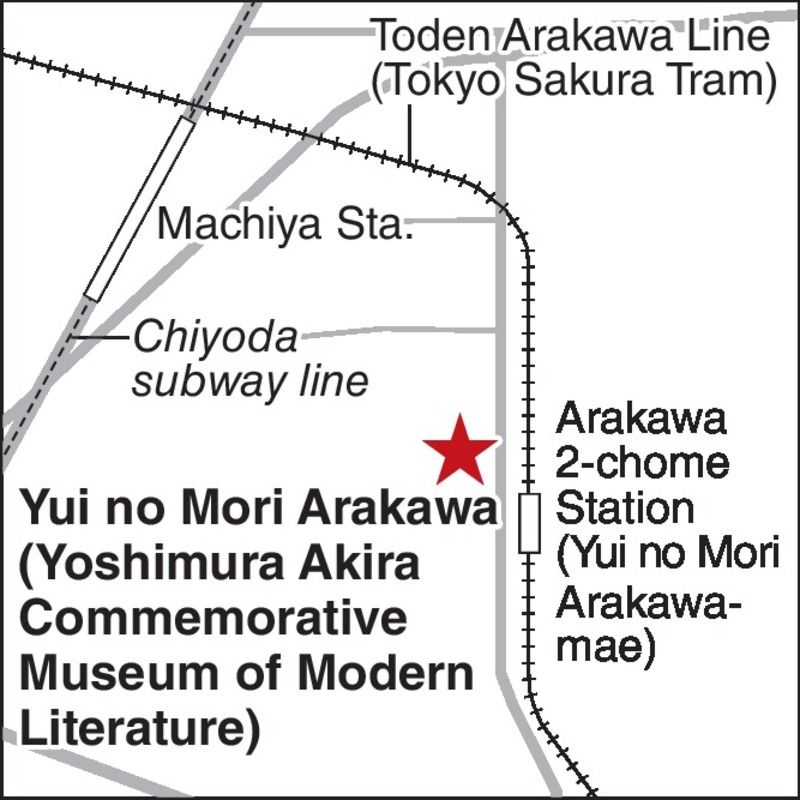
Located in the Yui no Mori Arakawa complex, which has five floors above ground and one underground floor. The complex also houses an event hall, a library with a collection of 600,000 books, a cafe where books can be read before being taken out from the library, a study room, and a play space for infants and small children. It is located about a minute's walk from Arakawa 2-chome (Yui no Mori Arakawa-mae) Station on the Toden Arakawa Line.
Address: 2-50-1, Arakawa, Arakawa Ward, Tokyo
Open: 9:30 a.m. to 8.30 p.m. (closed on the third Thursday of the month)
Admission: Free
Information: (03) 3891-4349
Read more from The Japan News at https://japannews.yomiuri.co.jp/