
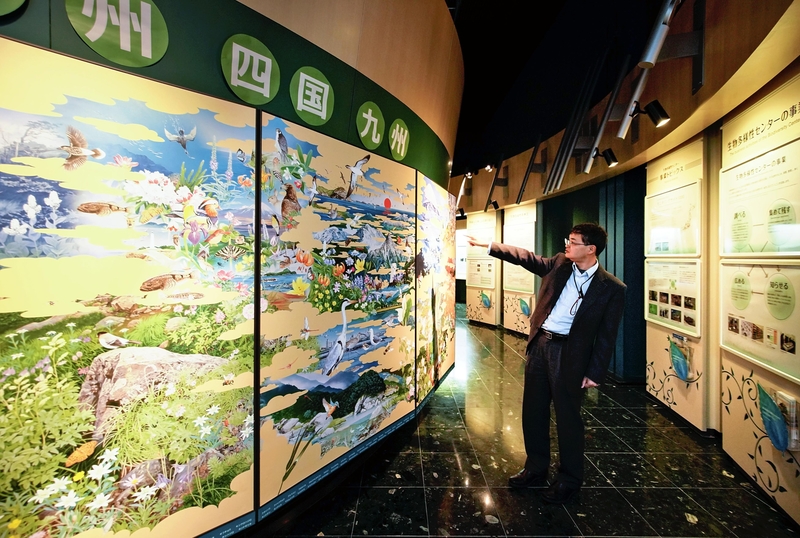
The Biodiversity Center of Japan in Fujiyoshida, Yamanashi Prefecture, exhibits specimens of some of the about 65,000 indigenous or foreign species of birds, animals, insects, plants and others living in Japan.
The center was established under the Nature Conservation Bureau of the Environment Ministry to conduct research on the diversity of living creatures in Japan and show their current situations. It also opens to the public reports of research conducted by the ministry. The specimens include ones preserved by taxidermy.
Over the course of about 4 billion years of evolution, living creatures on Earth have diversified and interacted with each other according to their habitats.
Asked why it is necessary to protect biodiversity, Kazuo Somiya, 51, director of the center, compares a plane carrying people to biodiversity and parts to species.
"If you lose one or two parts, you can still fly the plane. But without dozens of them, the plane falls." Somiya explains.
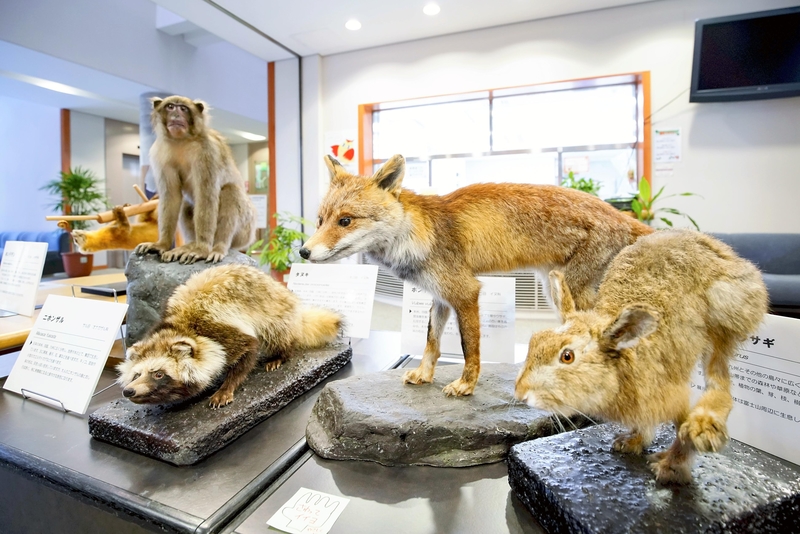
At the entrance, stuffed animals, such as black bears, wild boars and Japanese deer, welcome visitors. They were preserved from animals killed in traffic accidents or diseases, not from animals captured only to be stuffed. Visitors can touch them directly and feel the biodiversity here. "Each one has a different touch," Somiya said.
In addition to skeletal specimens of endangered dugongs and toki crested ibises, preserved specimens of Steller's sea eagles, grouses and Iriomote cats are also displayed. They are not usually open to the public, but you can see them at a festival featuring biodiversity in August every year.
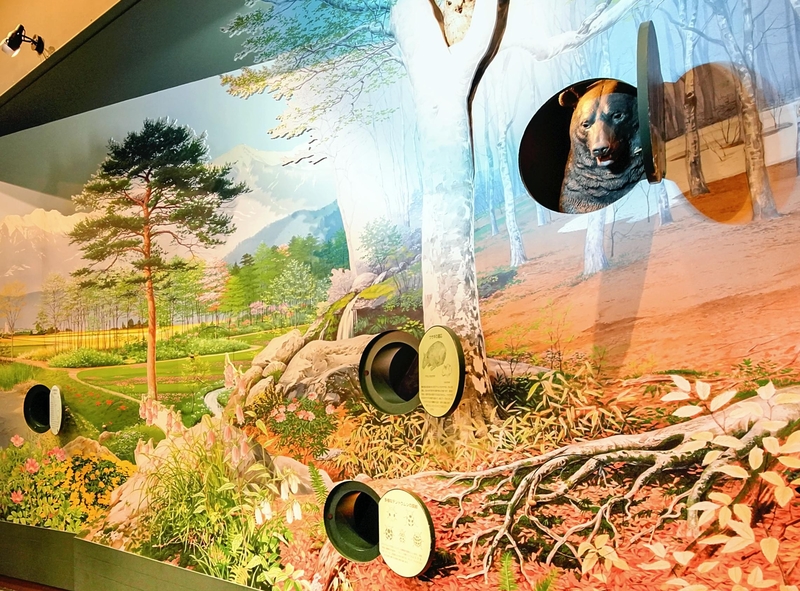
In the exhibition room, illustrations, videos and audio guides are used to introduce the ecology and connections of living creatures in Japan.
When you open a door with an animal illustration, an animated animal explains their ecology. "We hares love leaves and roots of trees and grasses," says a rabbit model.
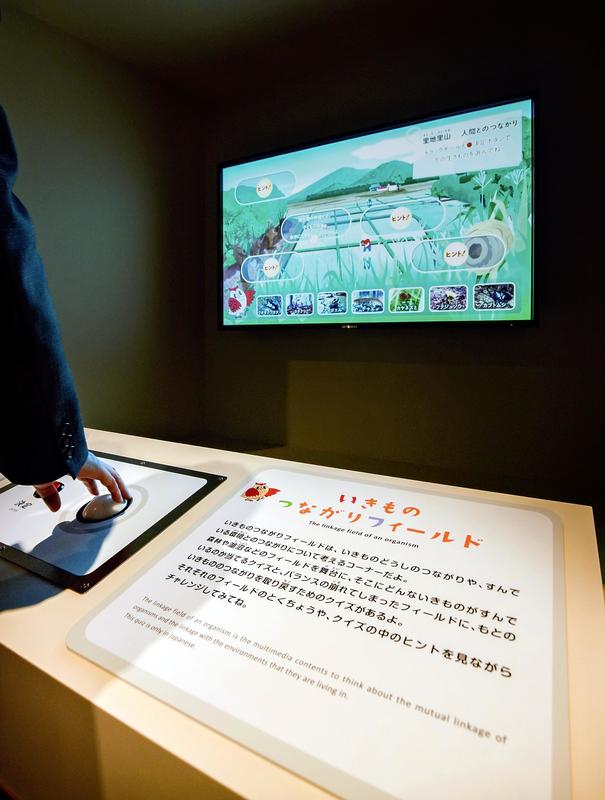
There is even a corner where questions are posed to visitors, such as, "What happened when you brought mongooses to kill the habu vipers?"
Children and their parents can gather during the summer and winter holidays at another corner to make visitors guess the habitats of stag beetles and catfish, among other animals.
"I want visitors to learn more about biodiversity and the natural environment in Japan," Somiya said.
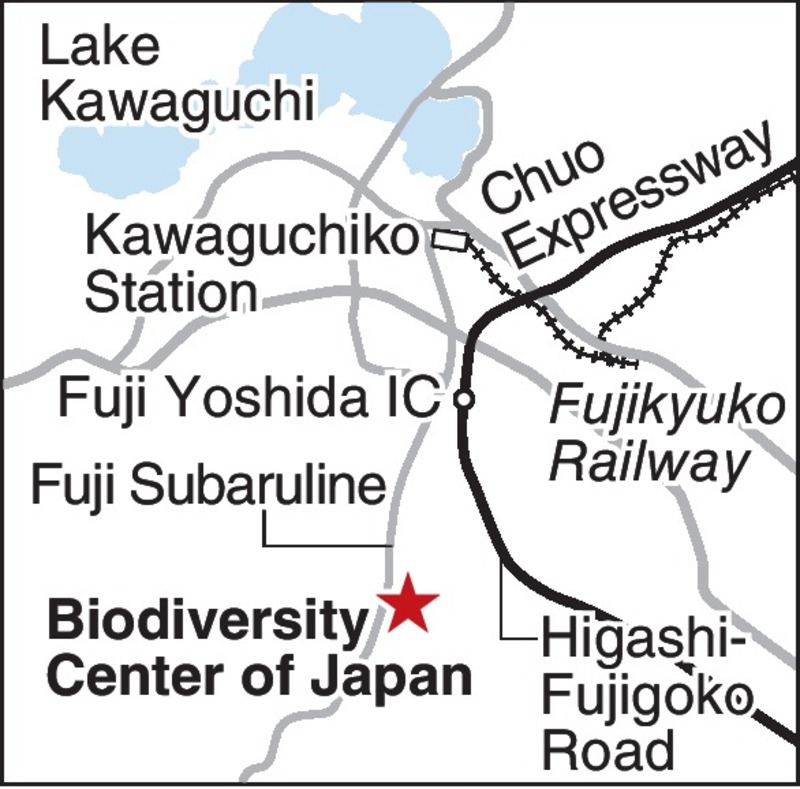
-- Biodiversity Center of Japan
The Convention on Biological Diversity came into effect in 1993 to address the biodiversity crisis caused by the destruction of biological habitats from human activities, overhunting and other reasons. Japan as a member country decided on the National Biodiversity Strategy of Japan in 1995, and established the center in 1998 as its core base.
Address: 5597-1 Kenmarubi, Kamiyoshida, Fujiyoshida, Yamanashi Prefecture
Open: 9 a.m. to 5 p.m. Closed on Saturdays, Sundays and national holidays from December to April, and the year-end and New Year period.
Admission: Free
Information: (0555) 72-6031
Read more from The Japan News at https://japannews.yomiuri.co.jp/












