
Backpacking and back pain are two things you don’t want to go together but, for a lot of people, they do. After all, spending hours on your feet with a heavy backpack on your back is bound to take its toll on your body. However, strength coach and hiking guide, James Appleton, says turning your attention to your core could help erase it.
“Your core’s job is to stabilise your body, protect and support your spine and keep you balanced,” he says. A weak core can often lead to other parts of our body to overcompensate – like the lower back – which, in turn, causes pain. But, by keeping our core strong and stable, it can help protect our lower back.
In a recent YouTube video, Appleton has shared four core strengthening exercises that he regularly prescribes to his clients to help build a core of steel. Also, if your body always feels like it's been run over by a truck post-hike, check out these three easy stretches for stronger, healthier joints.
1. Farmer carries
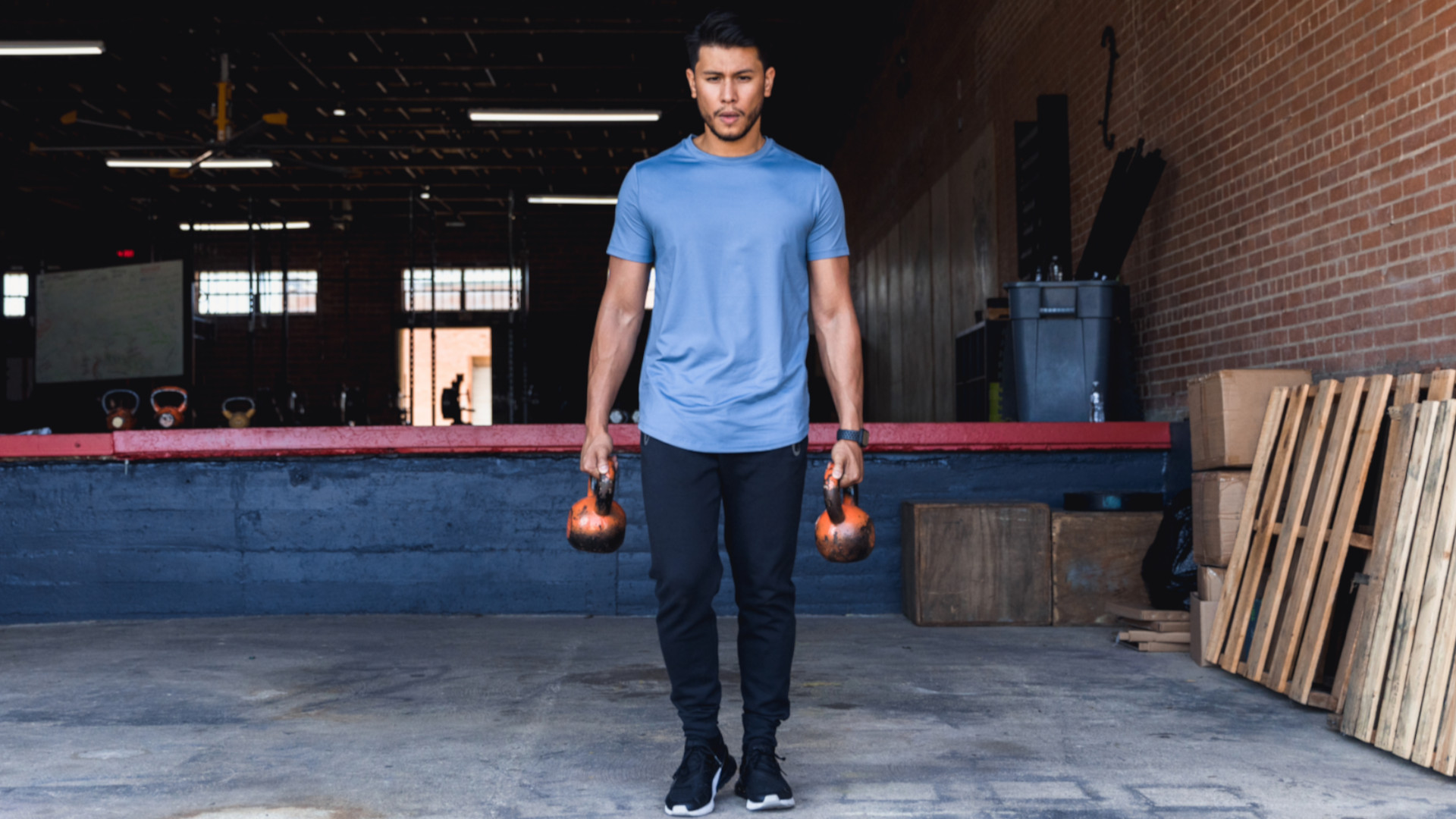
“They’re one of the simplest movements that exist, but one of the biggest bang for your buck,” says Appleton. “Farmer’s carries train your core, your grip, your shoulders, your back and your posture all at once. It’s one of the most functional core movements you can do and it directly impacts your ability to hold that backpack on the trail.” You don’t have to use weights or be in a gym environment to do farmer carries either, just grab two heavy objects (similar weight) and get walking!
2. Squats
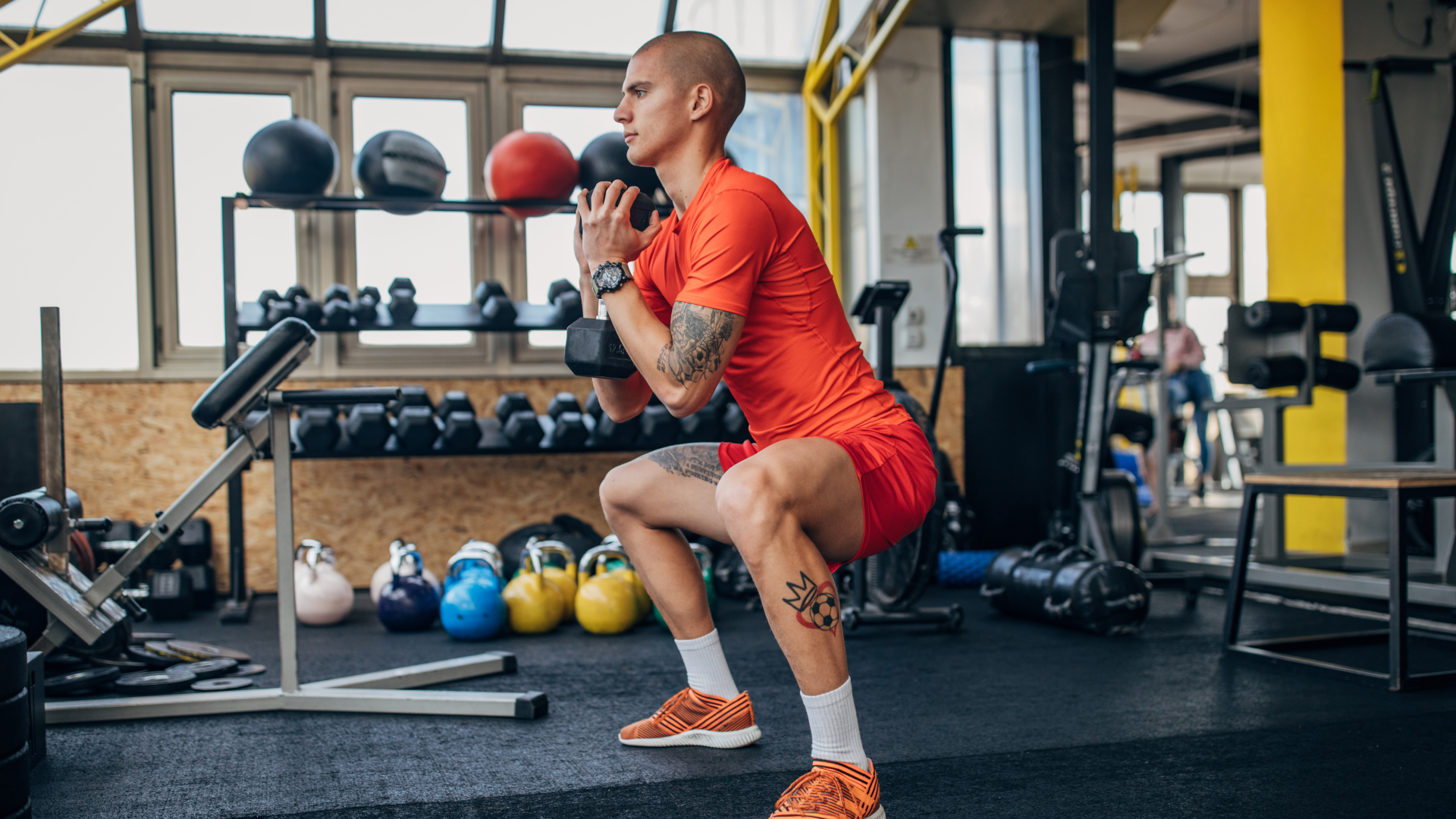
“So many people think of squats simply as a leg exercise, but they fail to remember that the bar is on your back, therefore forcing your back and your core to hold the weight without folding,” Appleton explains. “If you can hold hundreds of pounds on your back and squat down and stand up, do you think holding that 25 or 35lb backpack will be problematic for your strong back?” Again, you don’t have to do a barbell squat either, Appleton says you could try a goblet squat using either dumbbells or a kettlebell. Also, don’t forget, if you’ve never really squatted before, master the bodyweight version first.
3. Plank

“Not a sexy exercise, but brutally effective. All you need is a couple of minutes of real tension, actually bracing your core to do what it's designed to do, stabilise.” If you struggle to do a regular plank on your forearms, try planking from your knees in a push-up position instead. To make sure your core muscles are fully engaged, Appleton says: “Imagine bringing your belt buckle to your chest, you’ll feel your pelvis tuck ever so slightly and then your abs are engaged.” Another cue he likes to use is bracing your core like someone is about to punch you in the stomach.
4. Deadlift

"Like the squat, the deadlift is another powerhouse to build a strong core, it’s going to get your whole back strong from top to bottom." Appleton particularly likes the trap bar deadlift. "It’s functional and it has a simple learning curve, because picking something up off the ground with your arms by your sides and the weight around your is so natural." It's also far gentler on your lower back and hips, because you don't have to reach as far down to the floor to pick it up.