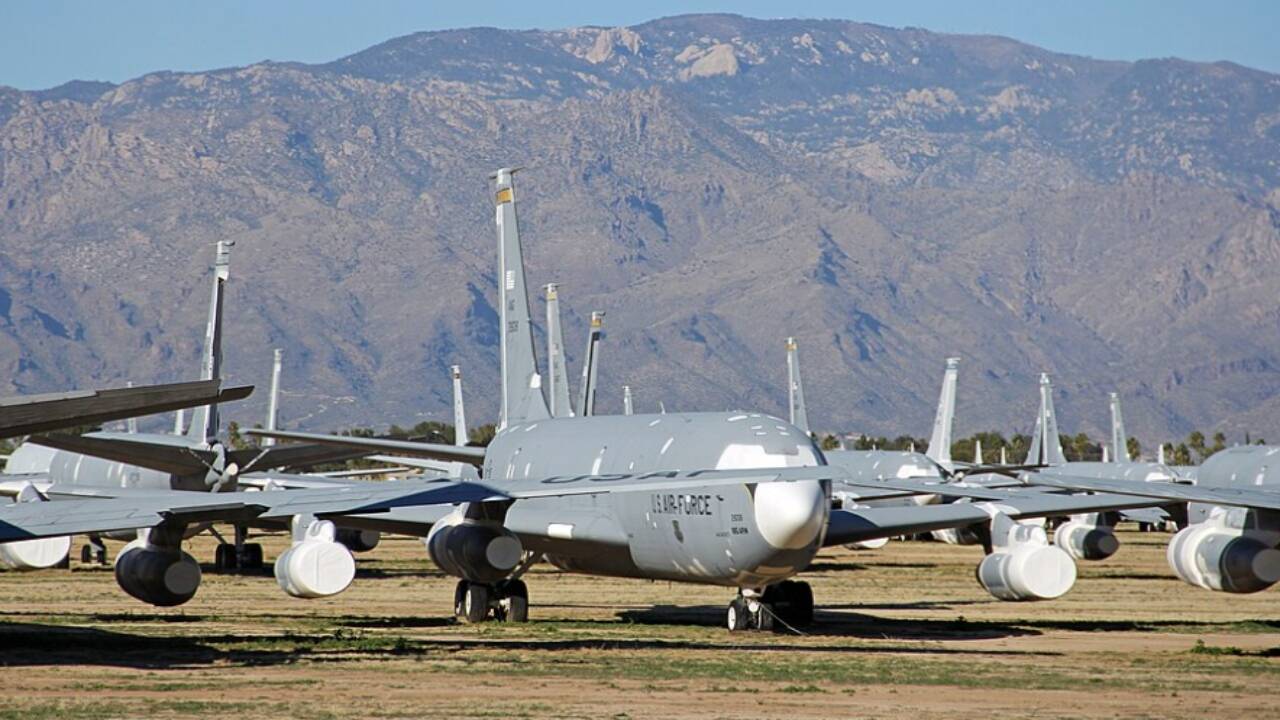
Every year, hundreds of commercial aircraft reach the end of their working lives. Instead of being scrapped immediately, many are flown to storage facilities in desert climates where low humidity helps slow corrosion and preserves valuable components. More than 15,000 commercial aircraft were retired worldwide between 1980 and 2017, and the industry expected roughly 12,000 more to retire over the following two decades. Both figures come from a 2022 environmental sustainability study commissioned by the European Union Aviation Safety Agency (EASA).
Get breaking news anytime, anywhere. Download the TOI app now!
Why so many aircraft end up parked in the desert
According to the EASA-commissioned study, before the COVID-19 pandemic, around 700 aircraft were being retired each year globally at an average age of 27 years. The pace of retirements changed during the pandemic, however. As passenger demand collapsed, many airlines chose to place aircraft into long-term storage rather than dismantle them immediately. Retirements fell to roughly 420 aircraft in 2021, the lowest level since 2007, because storing an aircraft was often less expensive than permanently decommissioning it while airlines waited for travel demand to recover.
Research published on ScienceDirect notes that once an owner decides to retire an aircraft, it typically remains in storage for around two years before dismantling begins. During that period, owners may evaluate whether the aircraft could return to service, be sold to another operator, or be used as a source of spare parts. Keeping the aircraft intact also allows maintenance crews to preserve critical systems until a final decision is made.
Desert locations are especially suited for this purpose. According to the National Library of Medicine, the dry climate slows rust and corrosion, helping protect engines, electronics, landing gear and other expensive components.
What actually gets pulled off a retired aircraft
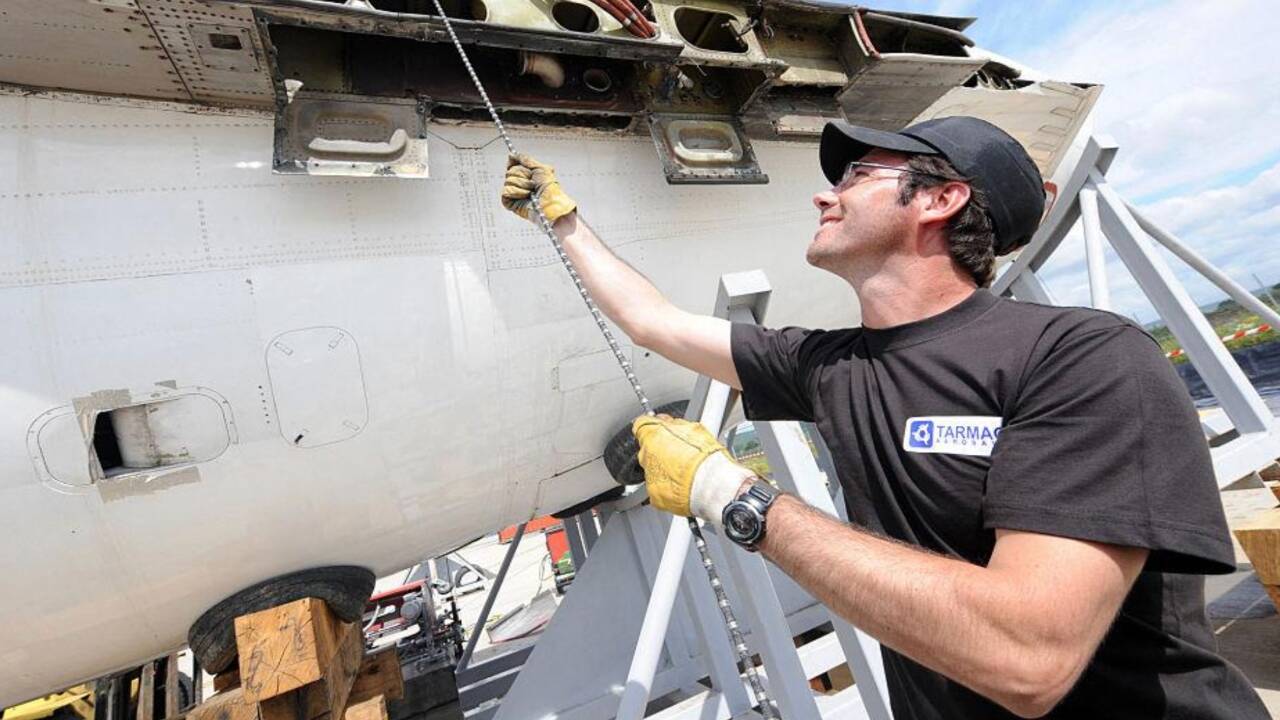
According to the National Library of Medicine , most parts of a decommissioned aircraft can either be reused as certified spare parts or recycled when dismantling follows established best practices. Recovering these components reduces waste while lowering the demand for manufacturing replacement parts from raw materials.
IATA claims that engines remain the most valuable component of a retired aircraft and, in some cases, can be worth more than the rest of the aircraft combined. After careful inspection, overhaul and certification, they may return to service on other aircraft. Other major components also retain considerable value. According to the International Air Transport Association (IATA), recoverable parts include landing gear, auxiliary power units, flight controls, navigation systems, environmental control systems and avionics like the sophisticated electronic systems responsible for communication, navigation, monitoring and flight instrumentation.
These avionics are valuable electronic assets inside a commercial aircraft. Their recovery not only reduces electronic waste but also helps airlines and maintenance providers source certified replacement equipment more efficiently. As aircraft rely more on advanced electronics, recovering these systems is likely to play a larger role in future dismantling operations.
Industry guidance also recognises avionics and other electronic systems as high-value assets that should be recovered wherever possible. According to the EASA study, up to 90 per cent of a typical aircraft's materials and components can realistically be reused or recycled when proper dismantling procedures are followed. With thousands more aircraft expected to retire in the coming years, these desert boneyards are becoming more than storage sites. They are emerging as valuable resource banks, where carefully recovered engines, electronics, and other components can extend the life of existing aircraft while reducing waste and supporting a more circular aviation industry.