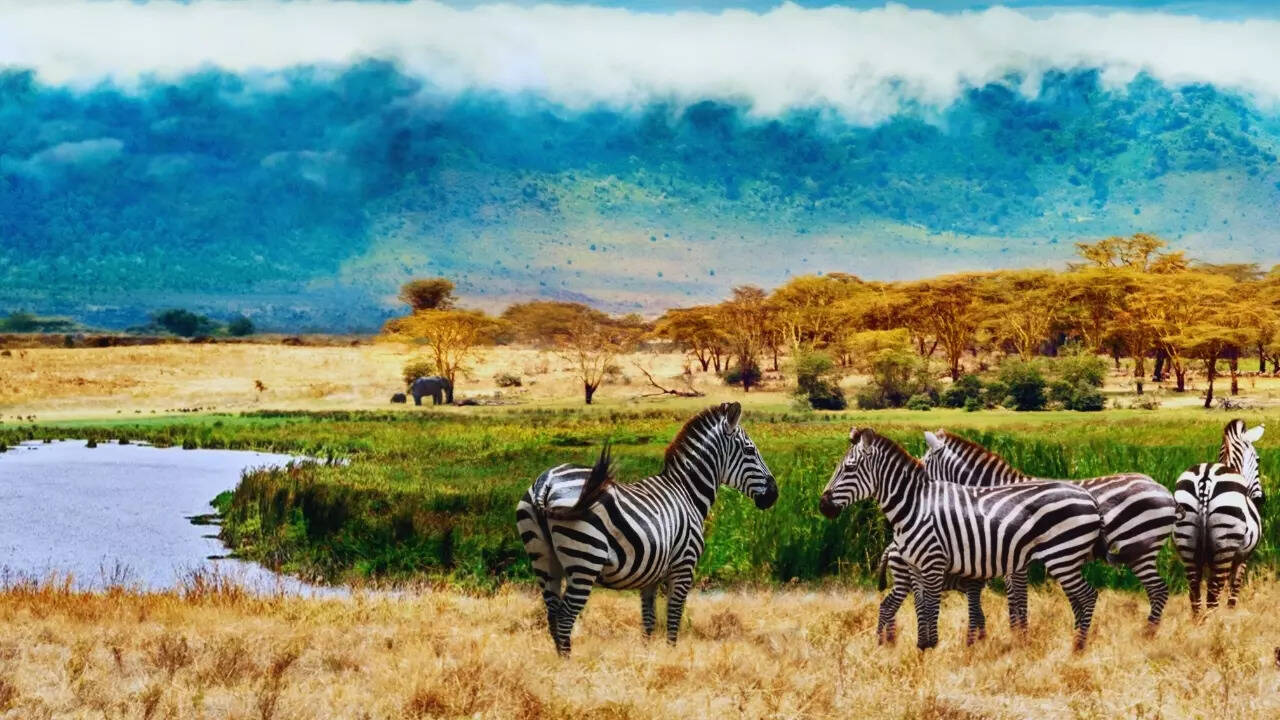
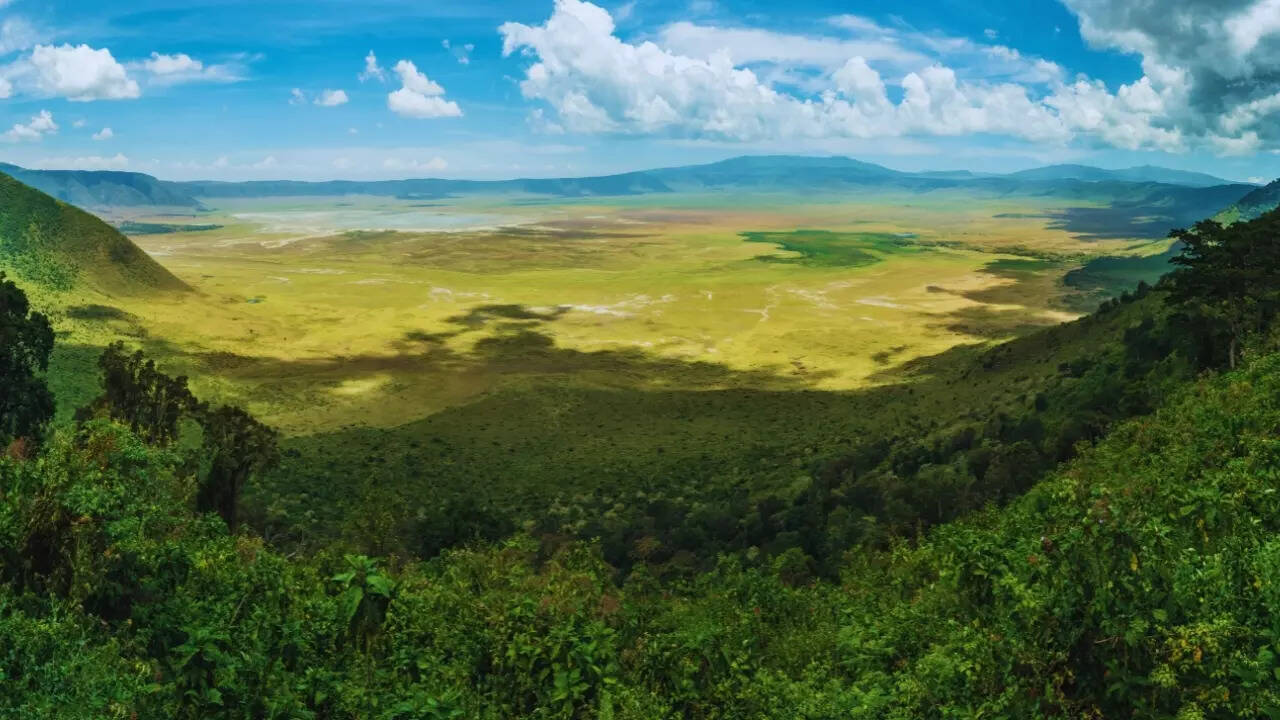
Deep in the heart of Tanzania lies a place where time seems to stand still—a land of breathtaking landscapes, abundant wildlife, and rich history. The Ngorongoro Conservation Area, a UNESCO World Heritage Site, is a geological marvel that was once a colossal volcano. Today, it is the world’s largest intact and unfilled caldera, offering one of the most unique safari experiences on the planet.
Millions of years ago, Ngorongoro was a towering volcano, estimated to be as high as Mount Kilimanjaro. But a massive eruption led to its collapse, forming the vast caldera we see today. Measuring about 20 kilometers in diameter, the conservation area is a natural fortress that shelters an astonishing array of flora and fauna. The rich volcanic soil, combined with year-round water sources, has created a self-sustaining ecosystem that supports a dense concentration of wildlife.
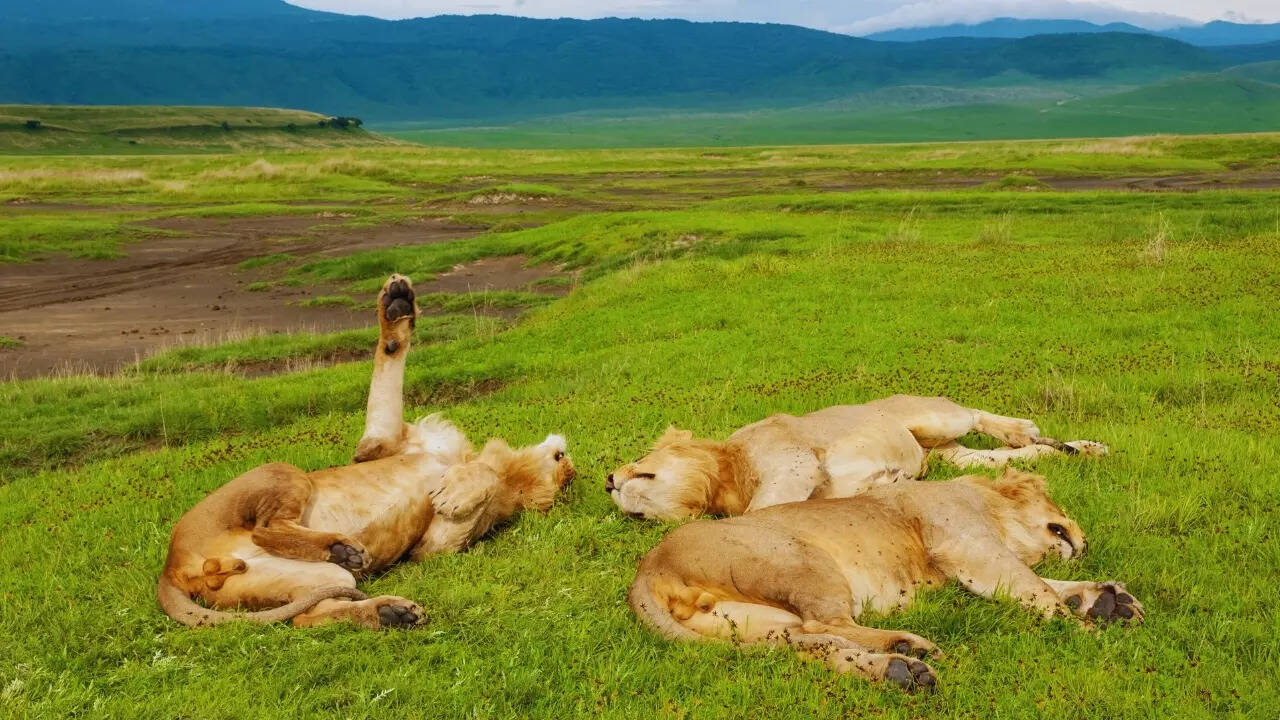
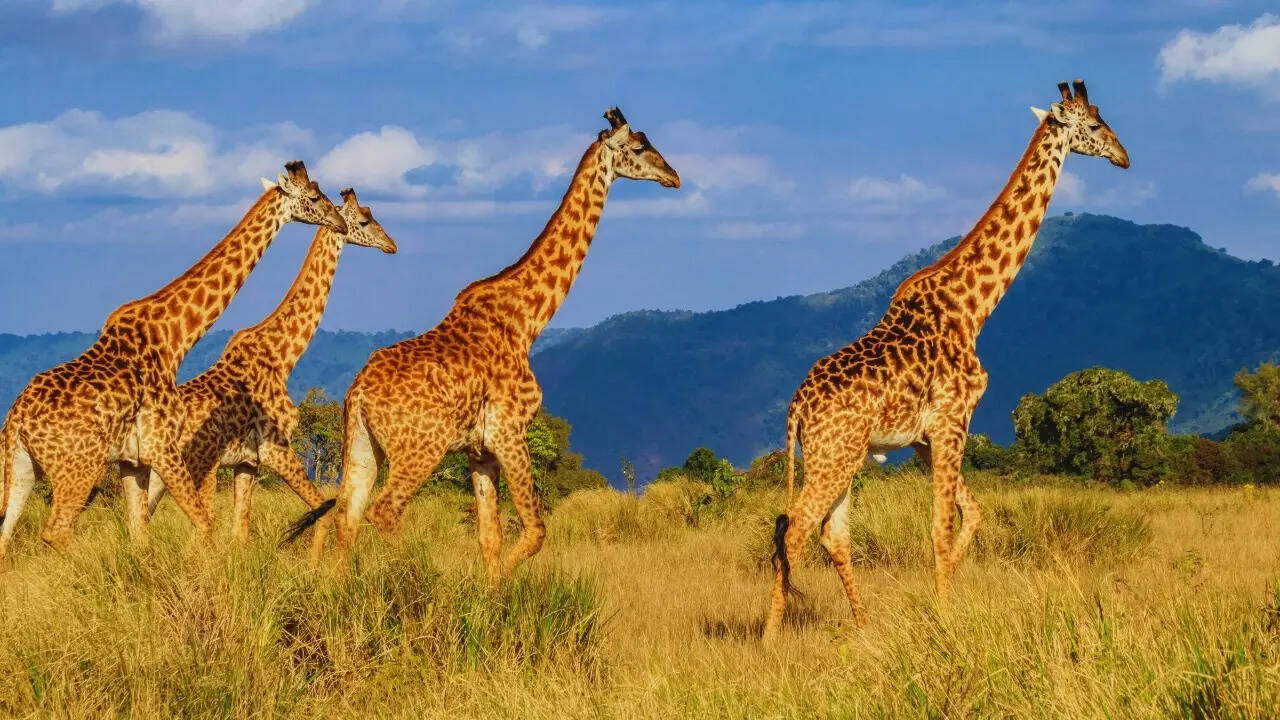
The ultimate safari destinationThe Ngorongoro Conservation Area is often called “Africa’s Eden,” and for good reason. Home to over 25,000 large mammals, including the iconic Big Five—lion, elephant, buffalo, leopard, and rhinoceros—this natural wonder offers a safari experience like no other. The Ngorongoro Crater itself serves as a sanctuary for some of the world’s rarest species, including the endangered black rhino. Unlike other safari destinations, the animals here are somewhat confined within the crater’s walls, making wildlife sightings incredibly rewarding.
One of the most spectacular sights is the great migration of wildebeest and zebra, as they pass through the conservation area in search of greener pastures. The dramatic predator-prey interactions make for a thrilling experience, allowing visitors to witness nature’s raw power up close.
Also read: India's most iconic tiger reserves to visit before the season ends
Cultural treasure troveBeyond its natural wonders, Ngorongoro is also home to the Maasai people, one of Africa’s most iconic indigenous tribes. The Maasai have lived in harmony with wildlife for centuries, their semi-nomadic lifestyle allowing them to coexist peacefully within the conservation area. A guided visit to a Maasai village and an interaction with the people will definitely give you opportunities to make memories to last a lifetime. The beautiful people, the vibrant culture, these are the kind of trips that one will be talking about for as long as one lives.
Another significant historical site within the conservation area is Olduvai Gorge. Ring any bell? Have you come across the phrase the “Cradle of Mankind.” It was here that paleoanthropologists Louis and Mary Leakey discovered some of the earliest human fossils, providing valuable insights into human evolution. Now, isn't that interesting?
Also read: 10 smallest countries and what makes them special
A paradise for photographers and nature enthusiastsIf you love photography, you will easily fall in love with the Ngorongoro Conservation Area. The crater offers unmatched scenic beauty. From sunrise over the crater rim to the golden savannah stretching as far as the eye can see, every moment here is picture-perfect. Birdwatchers will be delighted to find over 500 species of birds, including flamingos that grace the soda lakes with their vibrant pink hues.