
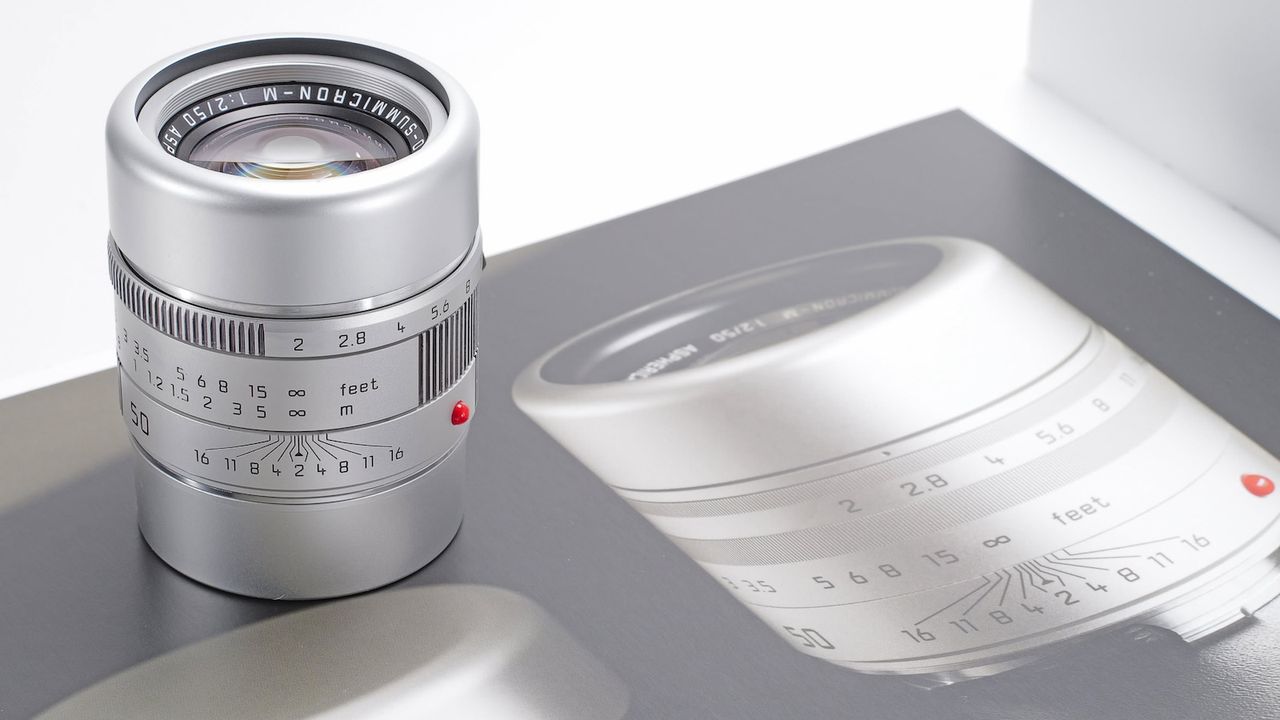
A rare Leica APO-Summicron-M 50mm f/2 ASPH. prototype created during the development of the one-of-a-kind Leica M for (RED) is heading to auction. According to Leica Rumors, the lens will be offered at the next Wetzlar Camera Auctions sale, which is scheduled to take place in Wetzlar, Germany, on October 10, 2026.
The prototype dates from around 2012 and was designed as part of the celebrated Leica project led by former Apple design chief Jony Ive and industrial designer Marc Newson.
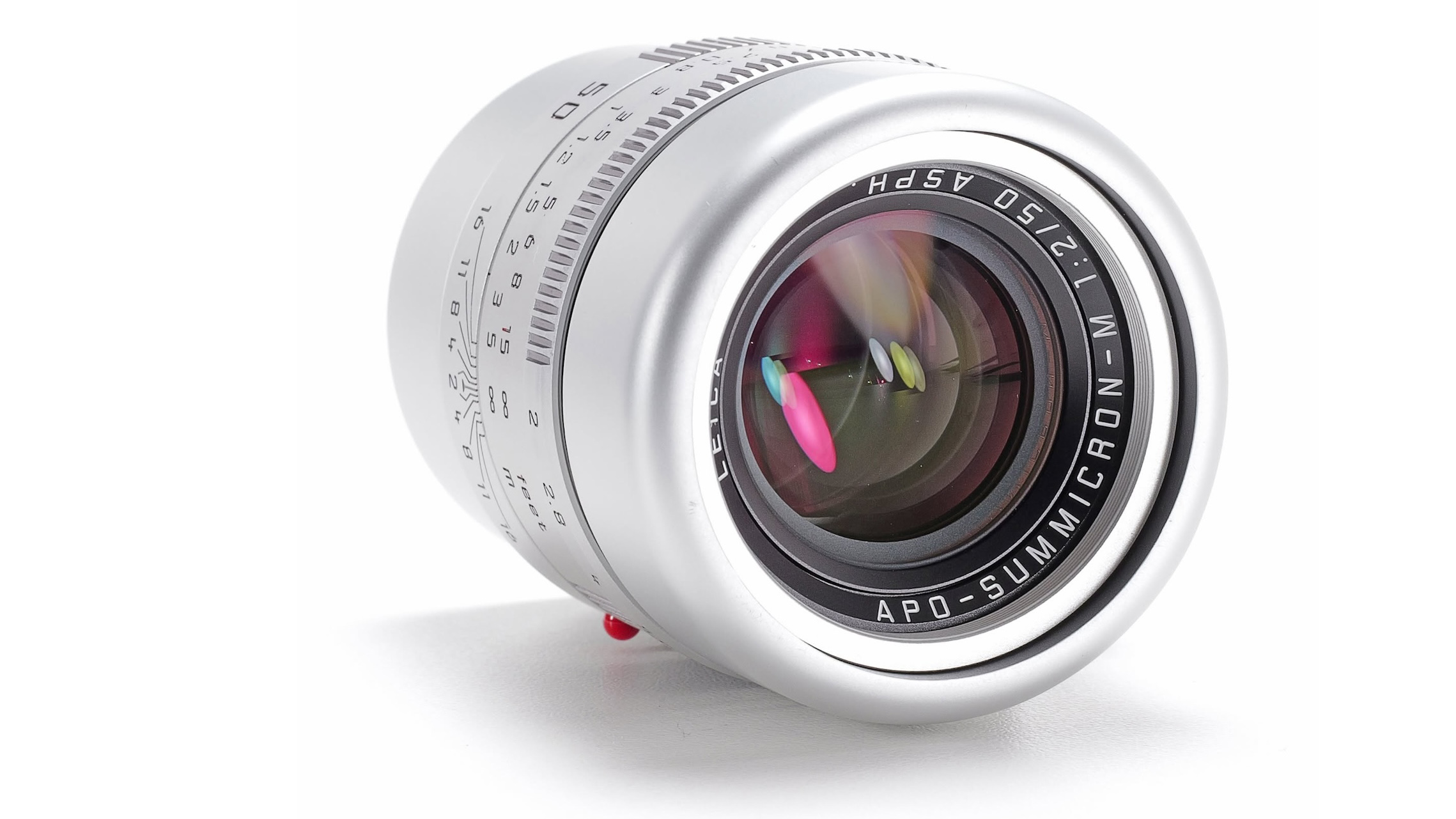
The lens was developed on behalf of the charitable organization (RED), which commissioned Ive and Newson to create a completely reimagined version of the Leica M rangefinder.
Although manufactured by Leica, the camera and its accompanying APO-Summicron-M 50mm f/2 ASPH. lens featured a radically different appearance from the company’s traditional M-system products, with their exterior surfaces produced using a specially formulated metal alloy.
The prototype heading to auction does not carry a serial number and has a different design from the finished lens that was eventually paired with the unique Leica M for (RED).
This makes it more than just an unusual finish applied to a standard APO-Summicron-M 50mm f/2 ASPH.; it represents one of the experimental stages in the creation of a camera that would go on to become one of the most recognizable Leica special editions ever produced.
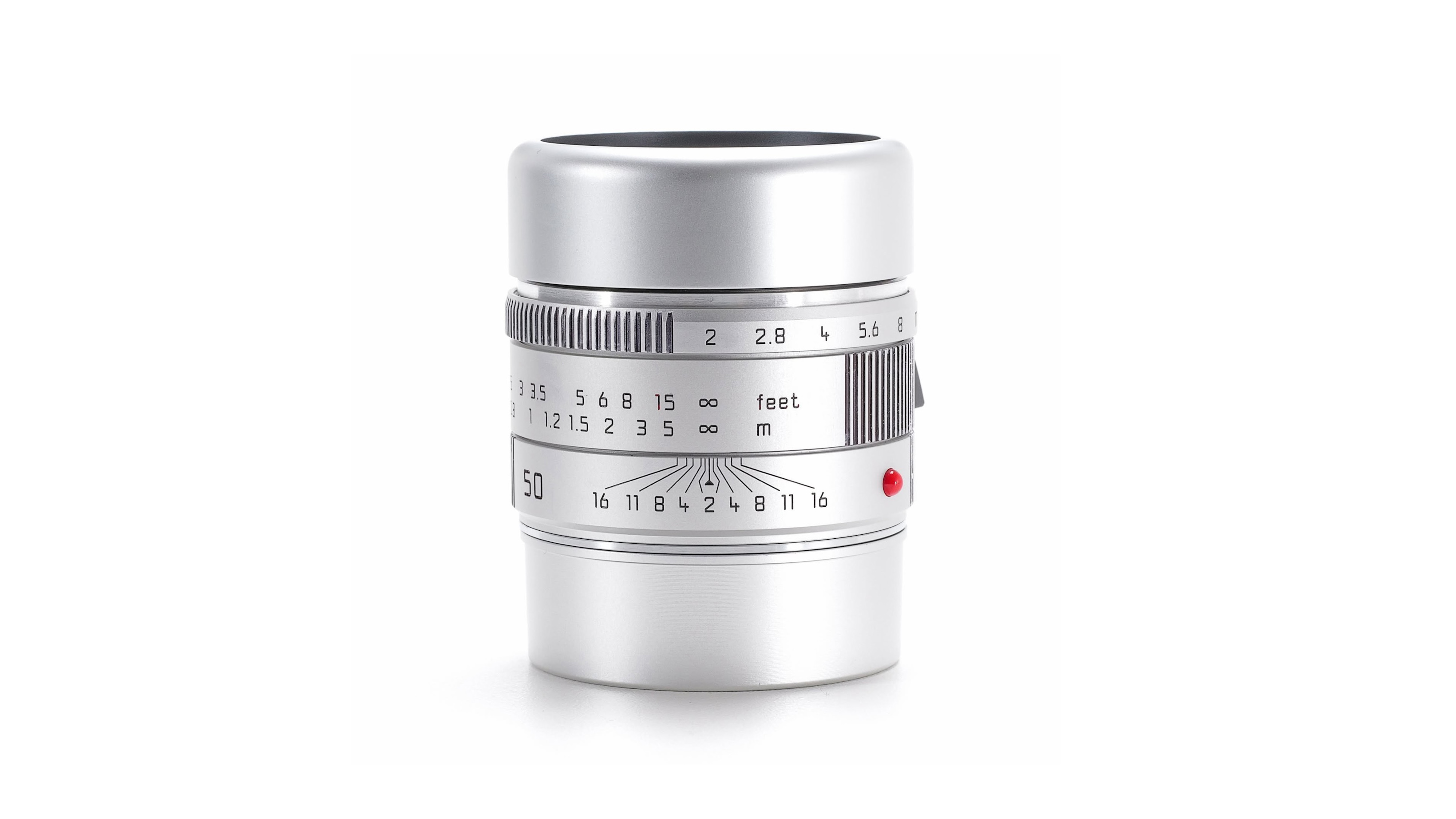
The final Leica M for (RED) replaced the familiar leather covering found on most Leica M cameras with a finely textured, laser-machined anodized aluminum exterior. More than 21,000 tiny hemispheres formed the distinctive surface, while both the camera body and lens were created from the custom-engineered alloy. Leica says that 561 models and approximately 1,000 prototype components were produced during the project’s 85-day development period, demonstrating just how much work went into creating the single finished camera.
That finished Leica M for (RED), equipped with a full-frame CMOS sensor and the specially designed APO-Summicron-M 50mm f/2 ASPH., was sold at Sotheby’s in New York in November 2013. The camera achieved a remarkable $1.8 million, far exceeding its original estimate, with proceeds from the wider (RED) auction supporting the Global Fund’s work against AIDS, tuberculosis and malaria in Africa.
Although this upcoming lot is only the prototype lens rather than the complete $1.8 million camera, its lack of a serial number, alternative design and direct connection to Ive and Newson’s creative process should make it an enticing piece of Leica history.
Wetzlar Camera Auctions has not revealed how much the lens is expected to achieve. Still, its status as a surviving prototype from one of Leica’s most ambitious design collaborations could generate considerable interest when bidding begins on October 10.