If you work in the creative industries, you'll be familiar with the diversity and inclusion conversation. You've probably sat in workshops, updated guidelines, and nodded along to values statements that contain a lot of words, but commit to very little. So when a major entertainment company actually does something real, it's worth pausing to appreciate it.
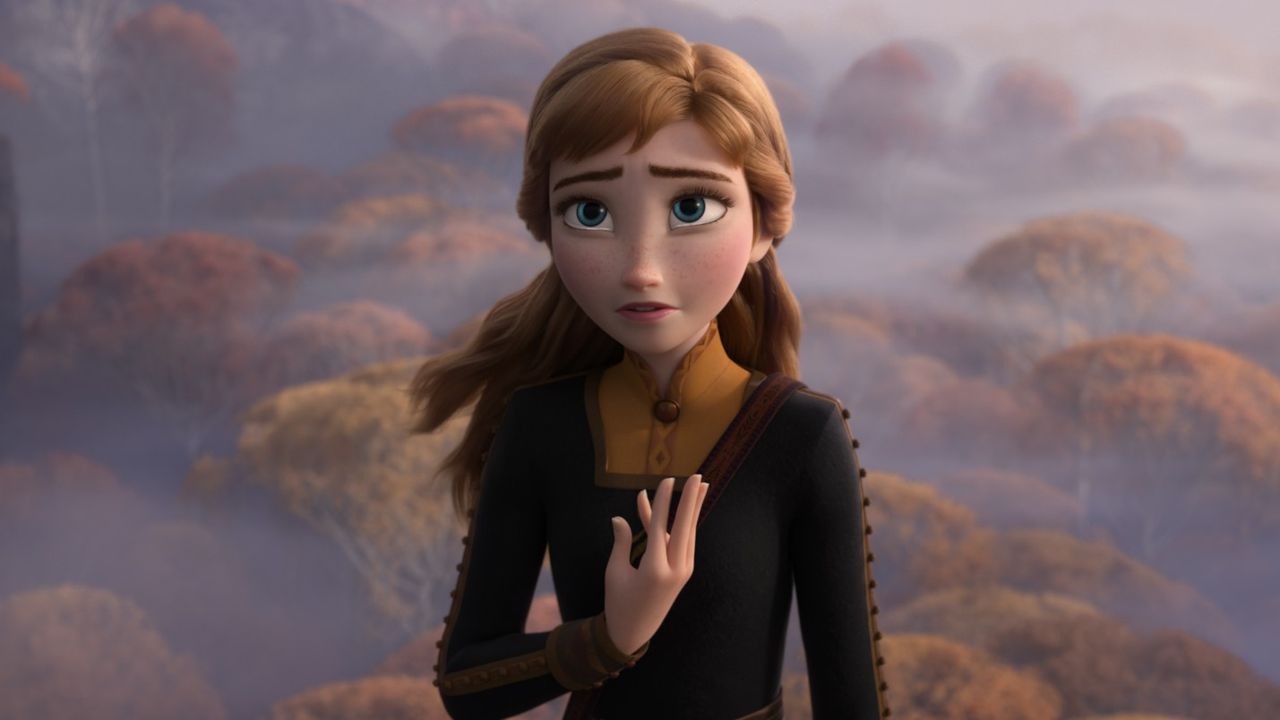
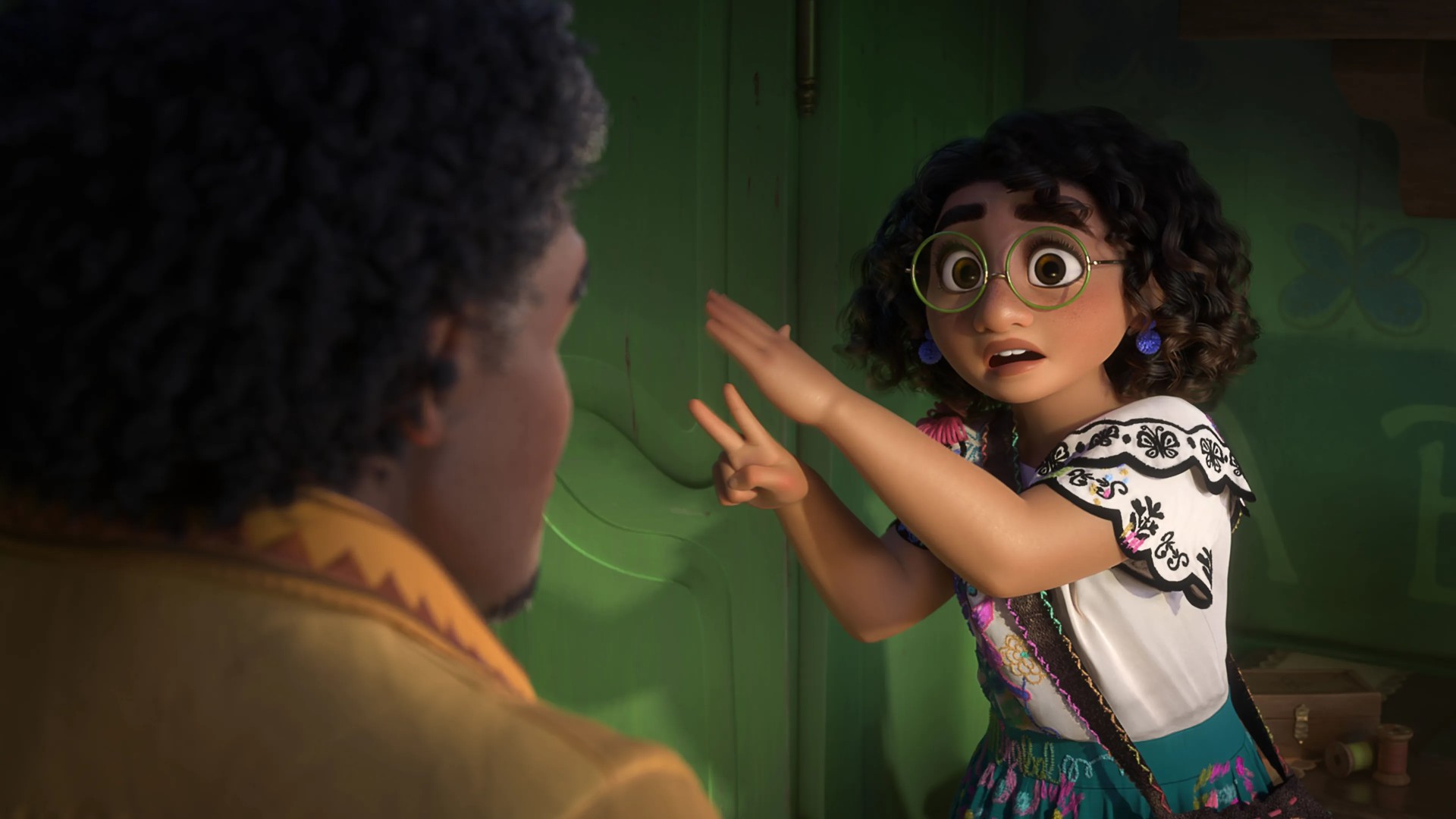
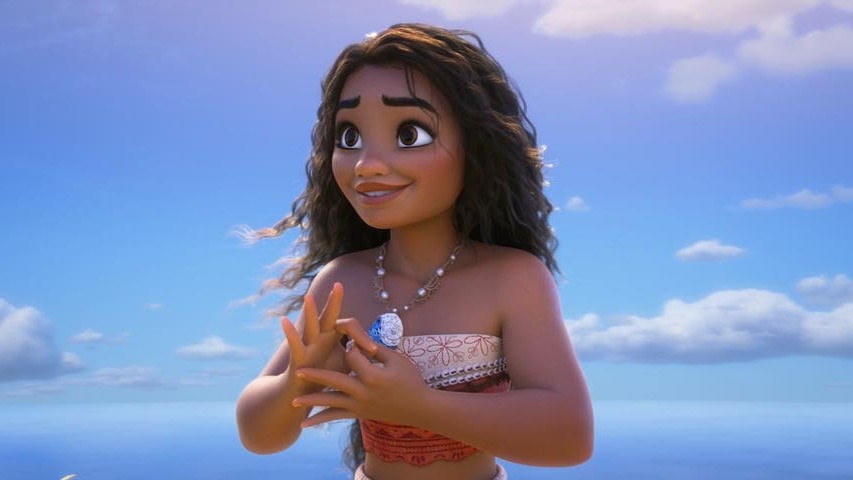
To mark National Deaf History Month, Disney+ has released Songs in Sign Language: three reimagined musical sequences from Frozen 2, Encanto and Moana 2, each reanimated in American Sign Language (ASL) in collaboration with Deaf West Theatre, a Tony Award-winning company based in Los Angeles.
To create the new sequences, Disney hired eight Deaf performers, a sign language reference choreographer and more than 20 animators. Then they rebuilt approximately 95% of the original sequences, allowing viewers to experience Moana, Anna and Mirabel signing their way through the songs Beyond, The Next Right Thing and We Don't Talk About Bruno respectively.
The project was driven by veteran Disney animator Hyrum Osmond, whose father is deaf. "The inspiration came from my dad," he explains. "He was always very supportive of my career, and he'd always watch my movies with subtitles. I began thinking, what would our Disney songs look like if we had made them for him? What if we'd made them for the Deaf community?"
That personal connection matters: it's the difference between a studio initiative dreamt up in a boardroom and something that started with a genuine, human feeling. And like the best accessible design, these new sequences expand the enjoyment of the entire audience, not just the deaf community.
For a hearing person like me, watching them today was like discovering a new arrangement of a favourite piece of music. The structure was familiar; the expression was new. That Disney magic – typically absent from its terrible live-action remakes – was back with a bang.
Will there be more?
That said, don't get too excited: all three sequences in total only add up to a brief three minutes 55 seconds. And while I'd love to see Disney applying this approach to its entire back catalogue, it's far from certain that will happen.
Call me a cynic, but this feels very much like a quick, one-off exercise, to build up goodwill after narrowing eligibility for disabled access at its theme parks. A policy, by the way, which hasn't just angered disabled people everywhere, but which is also being challenged by a federal lawsuit and a shareholder proposal.
The irony is stark. On the one hand, Disney's investing in making its storytelling more inclusive. On the other, it's gatekeeping its spaces in ways that leave some of its loyal disabled fans behind. So where does this head next? Well, I hope it goes in the right direction, because the creative opportunity here is enormous.
Not that there aren't challenges: ASL is, after all, just one of many sign languages used around the world. BSL (British Sign Language), Auslan (Australian Sign Language) and others each have their own distinct grammar and culture, let alone the hundreds of sign languages for non-English speakers.
But it's not like Disney hasn't been ambitious before. The 83 minute Snow White and the Seven Dwarfs, released in 1937 when cartoons were never more than a few minutes long, was widely derided as "Disney's Folly". It became the highest-grossing film of its time. Fantasia, released in 1940, was an experimental feature with no dialogue and no conventional story, just classical music and abstract animation. It's still one of the most visually ambitious films ever made.
More recently, Encanto broke almost every rule in the Disney playbook. No villain, no superpower, no fairytale castles: just a story rooted in Colombian family trauma. It won the Best Animated Feature Oscar and produced one of the most-streamed songs in Spotify history. This is what happens when Disney takes risks. This is where the magic happens.
A feature-length, signed version of a classic Disney film would be an instant draw for both deaf and hearing viewers alike. Heck, I barely need an excuse to watch The Little Mermaid for the 87th time as it is; you couldn't keep me away from a fresh adaption. Or what about a whole new, feature-length animation, with Deaf characters and Deaf performers central to the storytelling? That would be a genuine landmark.
Disney, you did good. But now the ball's in your court. Don't drop it.
Watch the Making of Songs in Sign Language below:
Creative Bloq is now easier to access than ever before with our on-the-go app, which brings you all the content you know and love from our website, but in a super-streamlined design.