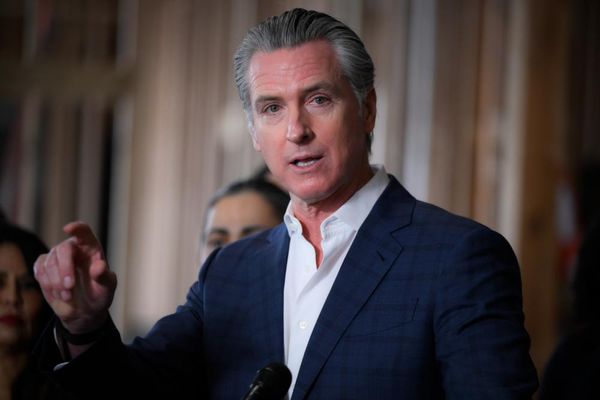
Gov. Tim Walz unveils his state budget proposal on Tuesday, kicking off a months-long budget fight that will eventually determine everything from the taxes and fees you pay to how much money your kids' schools receive.
The state of play: The plan will include a new fund to reimburse local governments for unanticipated public safety costs, including those related to civil unrest, Axios has exclusively learned.
Here's what else is on the table:
- Tax increases for those Walz has said should "pay their fair share."
- State agency cuts.
- Changes to schools focused on promoting racial equity.
- More funding for new and existing programs meant to help those hardest hit by the pandemic, including a proposed paid family leave benefit for all workers.
The big picture: The state is projected to face a $1.3 billion deficit in the next two-year budget, and lawmakers are constitutionally required to offset that gap by July. But Walz has said the toll of the pandemic necessitates more state spending for the state's most vulnerable, not less.
- "This is not the time for austerity," Walz told members of the progressive coalition ISAIAH on Sunday.
The other side: Senate Majority Leader Paul Gazelka (R-East Gull Lake) told Torey he wants to "reduce spending slightly" and tap the state's rainy day fund to balance the budget "without raising taxes."
- The proposed public safety fund could also be a sticking point. Gazelka said he's concerned that providing reimbursements to cities that cut their police budget, such as Minneapolis, would be "inappropriate."
What to watch: The final budget will likely look dramatically different from what Walz unveils today, for two big reasons:
- A divided Legislature means any eventual deal needs sign-off from the GOP majority in the Senate.
- Improvements in the economy — or an infusion of federal aid — could also shrink the size of the deficit by the summer deadline.
Setting expectations: Budget fights typically come down to the wire. Check back in May, as the end of session nears, for progress towards a deal.
- If lawmakers don't reach an agreement, it'll lead to a government shutdown.
This story first appeared in the Axios Twin Cities newsletter, designed to help readers get smarter, faster on the most consequential news unfolding in their own backyard.