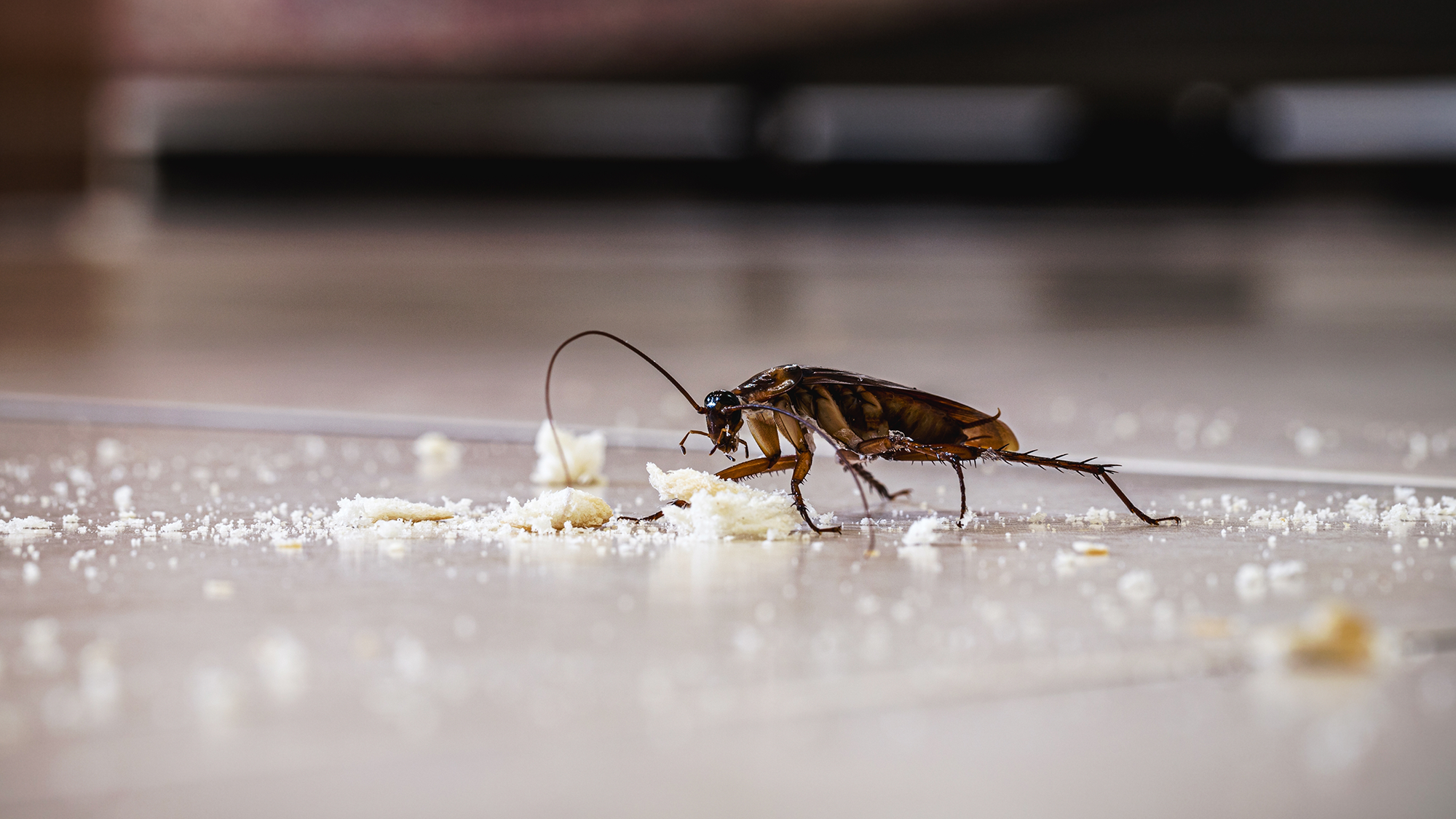
Cockroaches become more active as temperatures warm in spring. They're drawn indoors searching for food, water, and shelter, particularly in kitchens and bathrooms where conditions are ideal. Once they establish themselves, they multiply quickly and become difficult to eliminate.
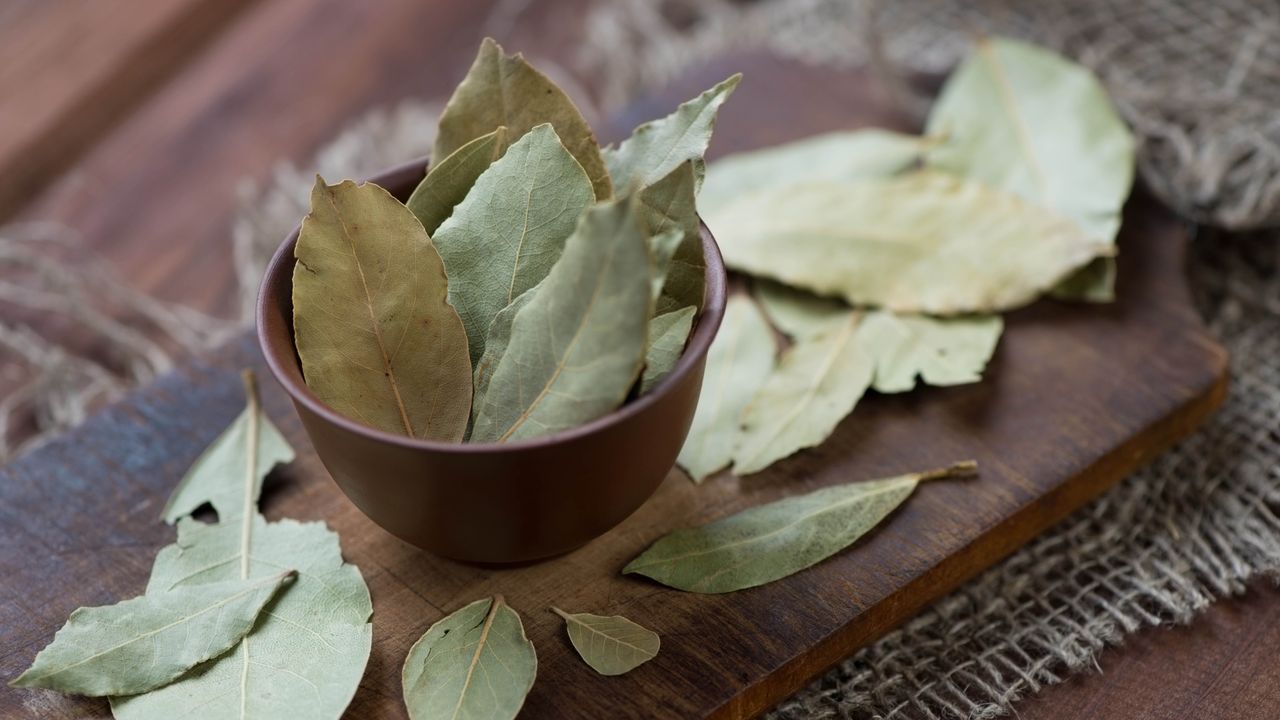
Bay leaves are a natural cockroach deterrent that works without toxic chemicals or traps. Cockroaches hate the smell and compounds in bay leaves and will avoid areas where they're placed. It's a simple, non-toxic method that's safe for homes with children and pets.
Here's why bay leaves work and where to place them for maximum effectiveness.
Why bay leaves repel cockroaches
Bay leaves contain compounds including eucalyptol and other aromatic oils that cockroaches find repulsive. The scent is pleasant to humans but overwhelming and offensive to cockroaches, who rely heavily on their sense of smell to navigate and find food.
When cockroaches encounter bay leaves, they avoid the area entirely rather than crossing or staying near them. This makes bay leaves effective as a barrier or deterrent in spaces where cockroaches typically hide or travel.
Bay leaves don't kill cockroaches. They repel them, forcing cockroaches to relocate rather than eliminating an existing population. For active infestations, bay leaves work best alongside other elimination methods like bait traps or professional treatment.
Where should you place bay leaves?
Place bay leaves anywhere cockroaches hide, enter, or travel through your home. Focus on kitchens and bathrooms first, as these are the most common cockroach hotspots.
Use 3-5 bay leaves per location depending on the size of the space. A small cabinet or drawer needs 2-3 leaves. Larger areas like pantries or the space behind a refrigerator benefit from 5-7 leaves.
1. In kitchen cabinets:

Tuck bay leaves in corners of cabinets where you store food, dishes, or cookware. Place them behind items on shelves so they don't get disturbed but remain effective. Also focus on lower cabinets near the floor and cabinets under the sink where moisture attracts cockroaches.
2. Along baseboards and corners
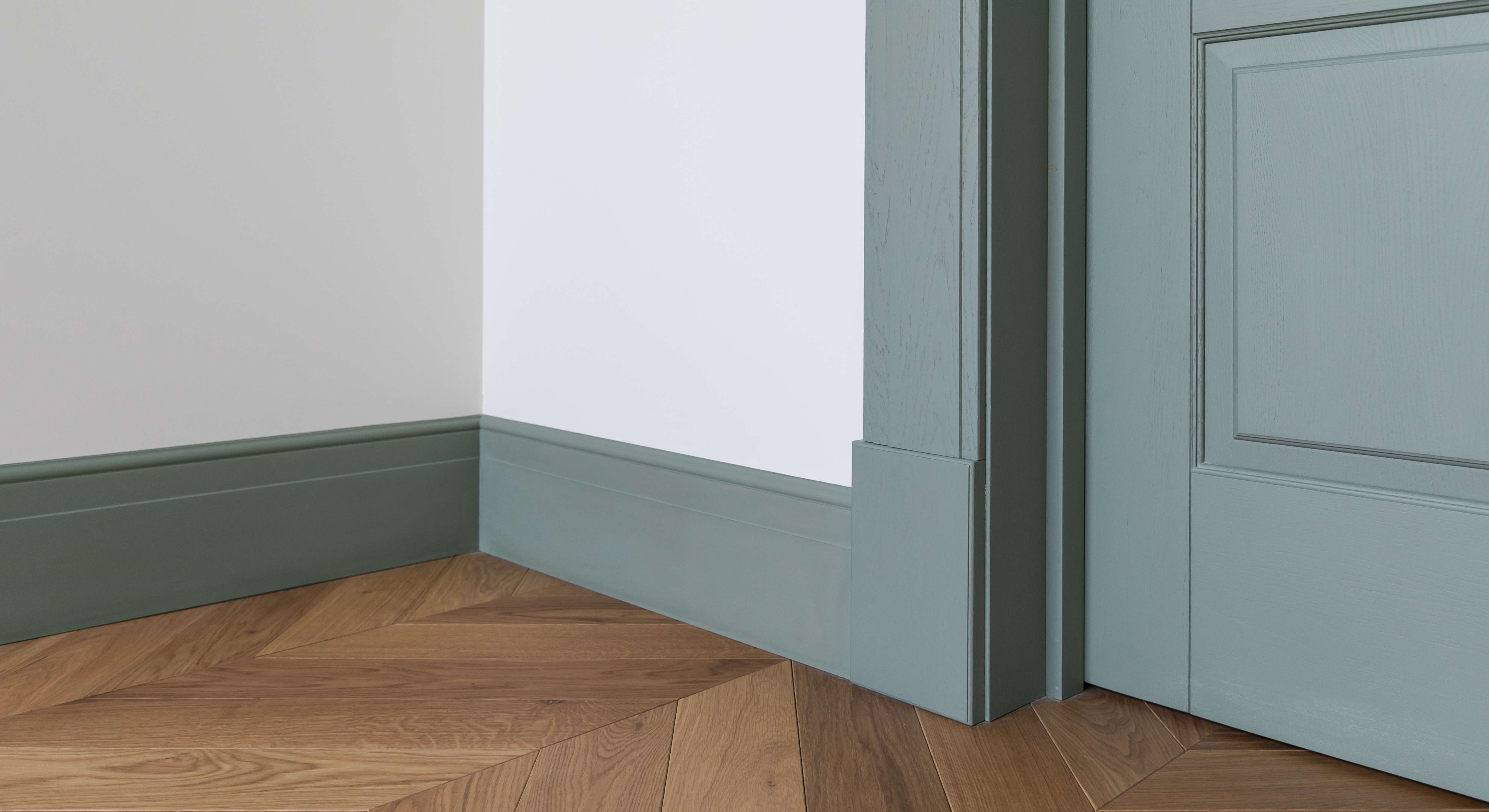
Place bay leaves along baseboards in kitchens, bathrooms, and any rooms where you've spotted cockroaches. Corners where walls meet are common travel routes. If needed, you can secure leaves with tape to keep them in place.
3. Behind appliances
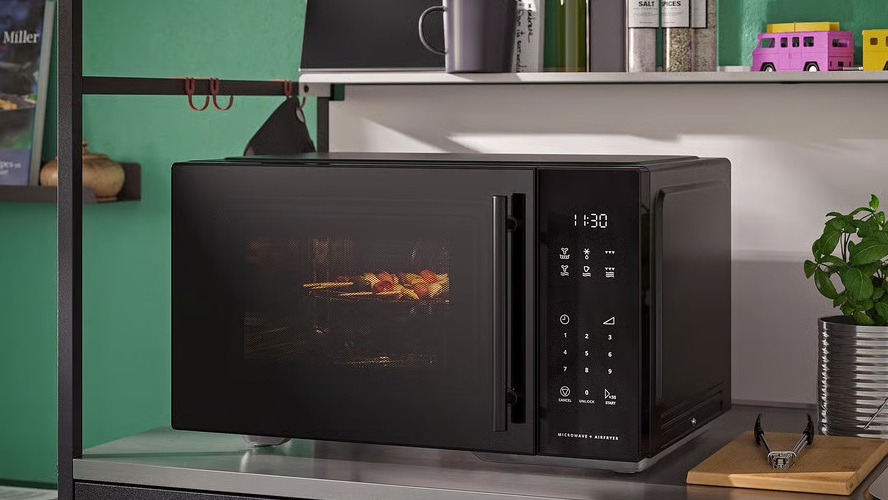
Cockroaches hide in warm, dark spaces behind refrigerators, stoves, microwaves, and dishwashers.
Place bay leaves behind and underneath these appliances if you can access the spaces safely. The warmth from appliances helps release the scent.
4. Inside pantries
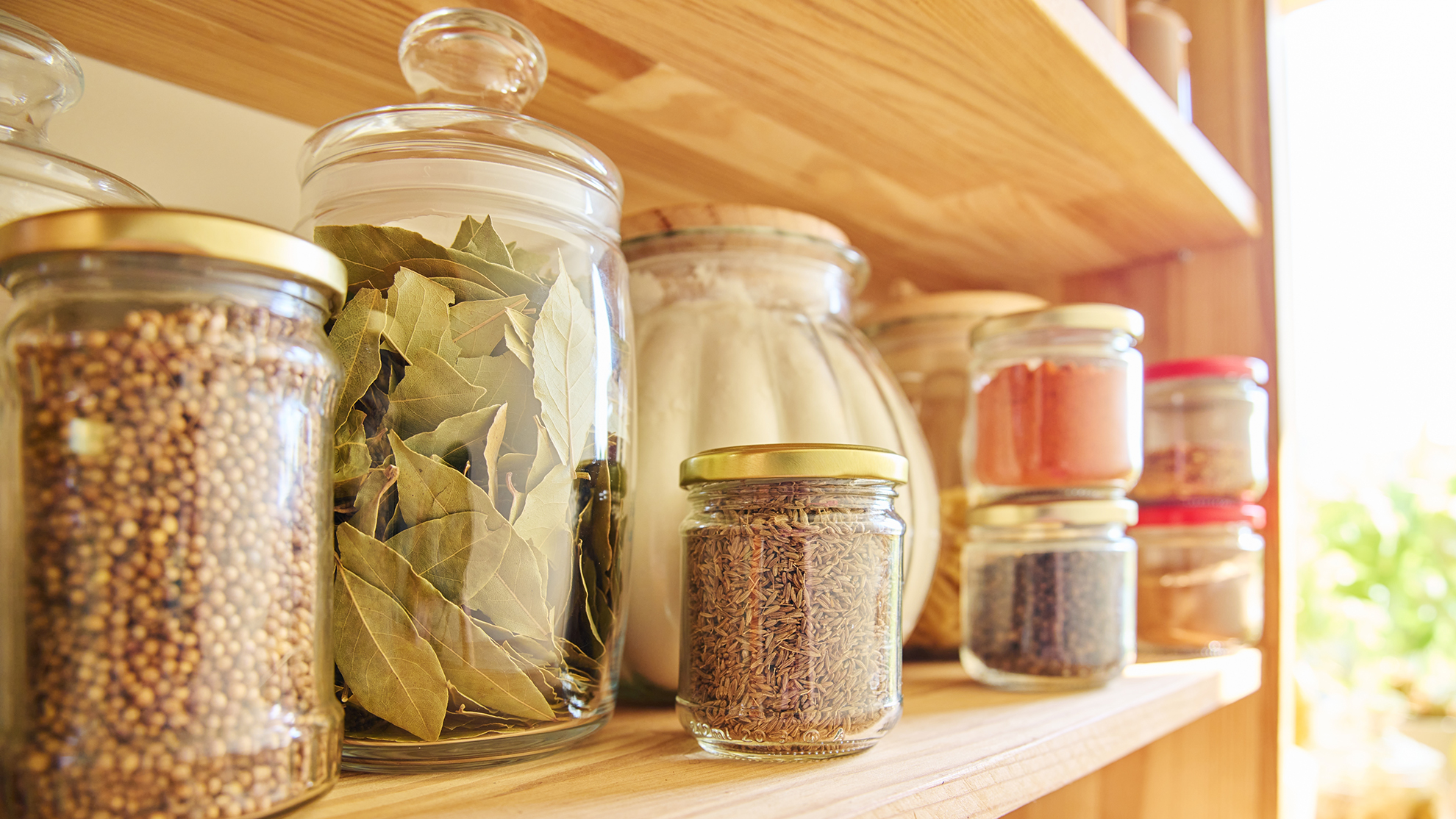
Place bay leaves on pantry shelves, particularly near grains, cereals, pasta, and other dry goods cockroaches target. Tuck them in corners or behind food containers.
5. Under sinks
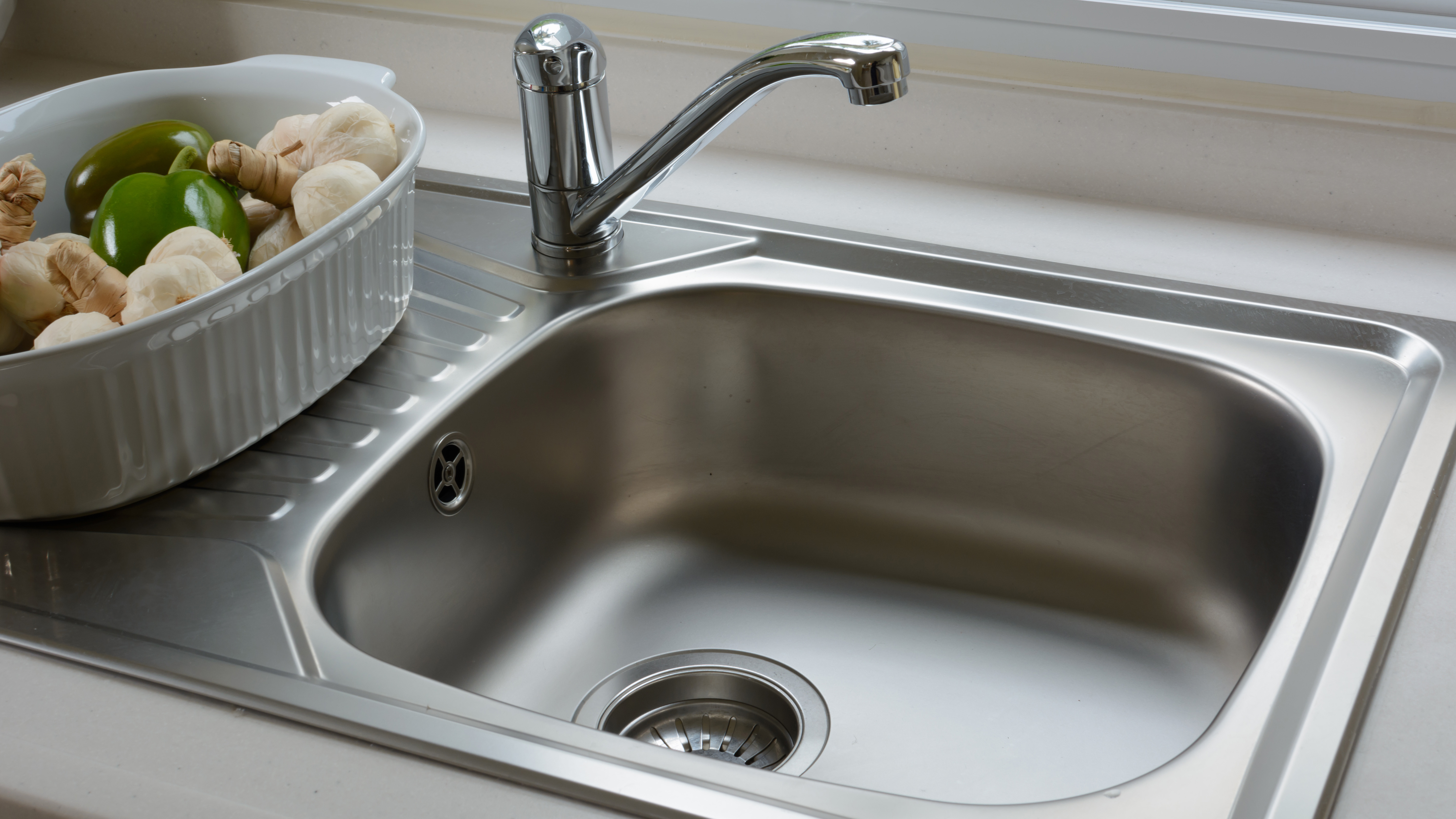
The space under kitchen and bathroom sinks provides moisture cockroaches need. Place bay leaves around pipes, in corners, and near the back of the cabinet.
6. Near entry points
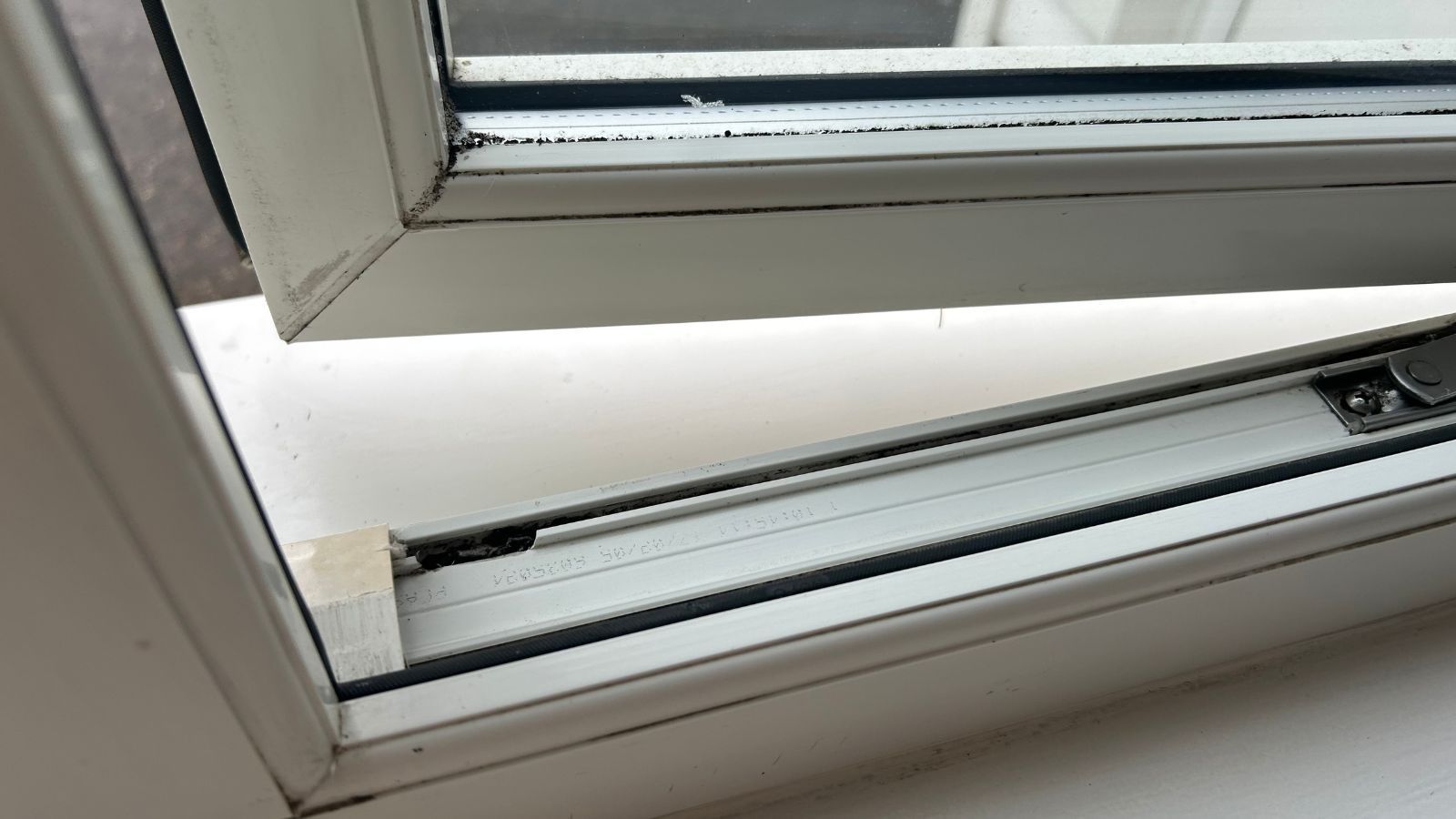
Place bay leaves near cracks, gaps, or openings where cockroaches might enter —around pipes, vents, door thresholds, or window frames.