
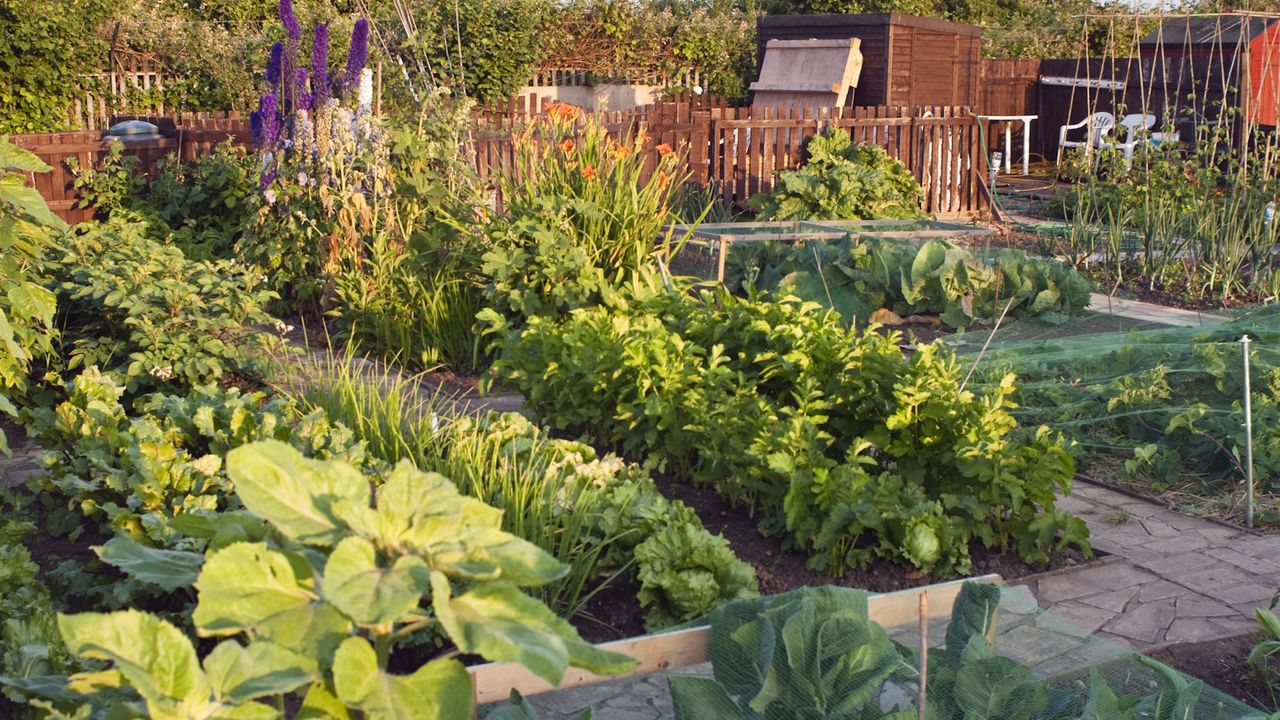
This weekend I spotted every gardener's worst nightmare in my yard: powdery mildew on my asters. This fungal disease can be extremely hard to get rid of, so I've been desperately searching for a solution to save my plants. That's when I stumbled across a retro gardening hack: DIY milk spray.
It's one of the oldest tricks of in the book for getting rid of powdery mildew, essentially acting as an organic fungicide. All you have to do is mix milk with water to create a spray that forms a protective barrier on leaf surfaces. This inhibits the growth of powdery mildew, acting as a preventative measure to apply at the first signs of disease.
However, as with all gardening hacks, there are some words of warning that come with using milk spray to stop powdery mildew. Applying it incorrectly or in the wrong circumstance can make it ineffective and even harmful to plant health. Here, I explain how it works, how to use it correctly, as well as the limitations.
How Does It Work?
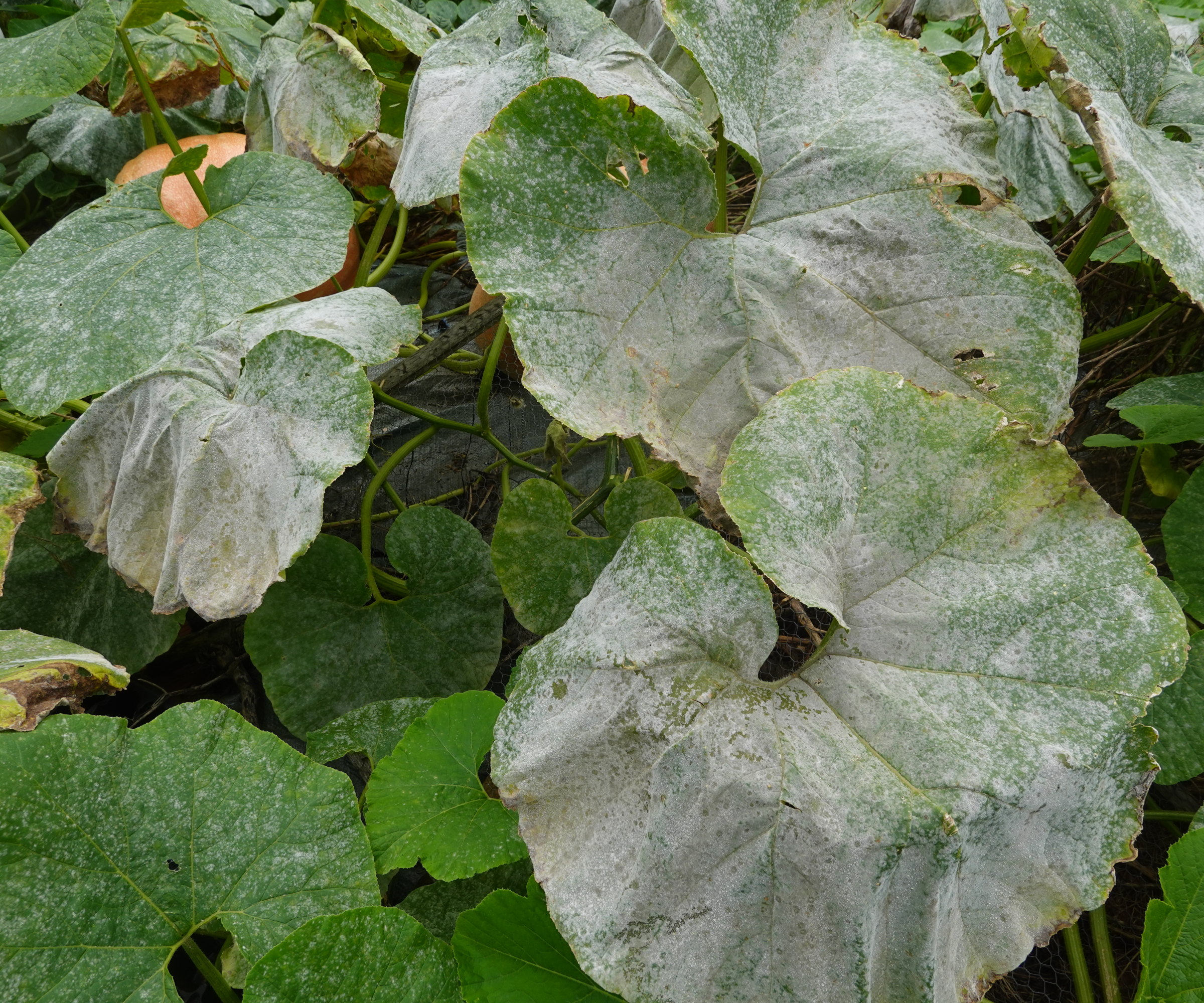
Milk spray is a DIY organic fungicide that helps prevent issues like powdery mildew.
Essentially, the proteins, salts, and fats found in milk are thought to disrupt fungal growth.
More specifically, the protein in milk has antimicrobial compounds that are activated in sunlight, damaging fungal spores. Meanwhile, the microorganisms found in milk are beneficial on the surface of leaves, and the residue makes it harder for fungal diseases to develop in general.
In particular, it's a solution to try on kitchen garden crops like cucurbits and tomatoes, as well as ornamental plants susceptible to fungal diseases, like asters.
But, it isn't just a case of spraying some milk over your plants. Here's how to use this hack correctly, without causing harm to your garden.
How to Use Milk Spray on Plants
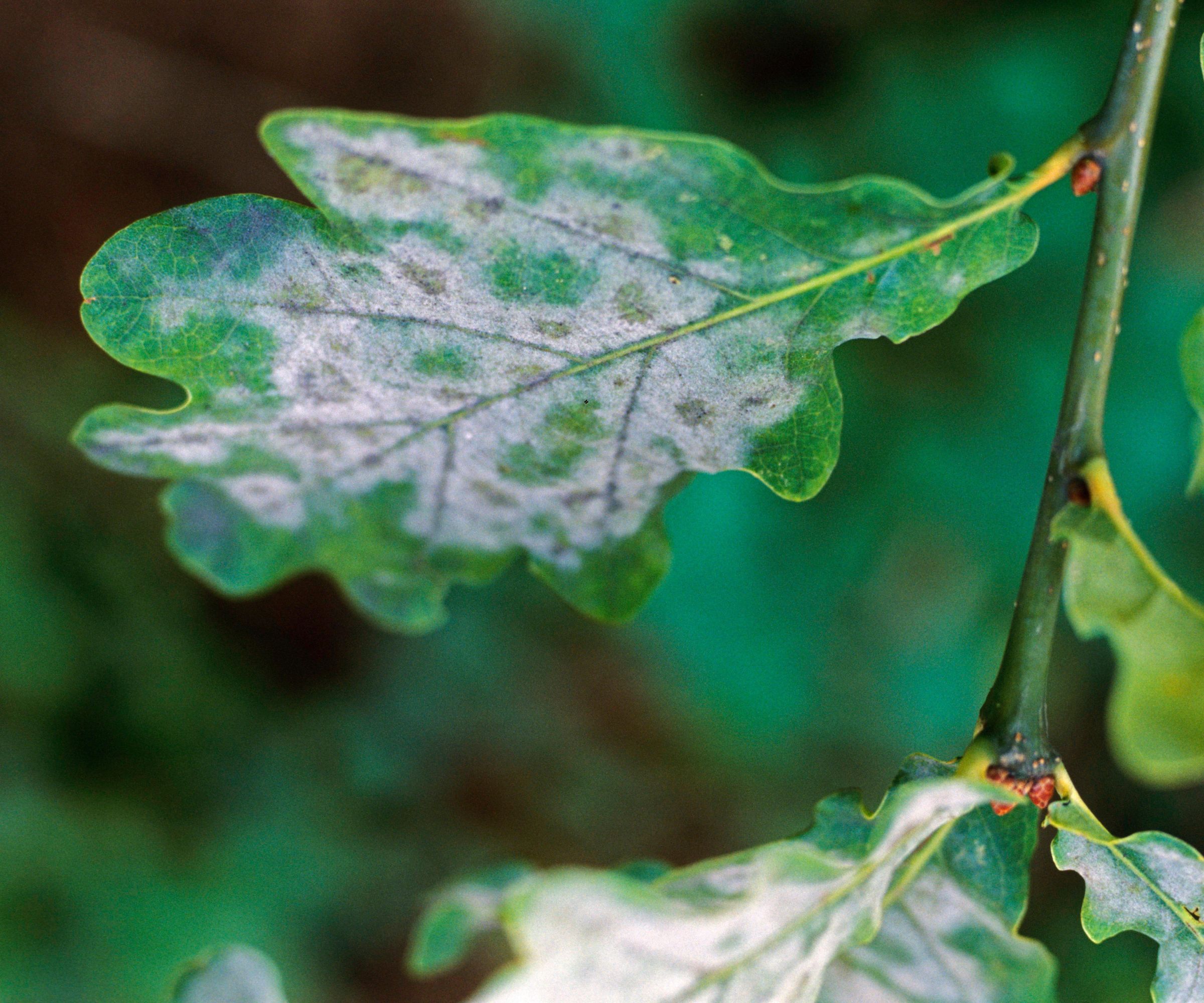
The recommended mixture for a milk spray to stop powdery mildew is one part milk, nine parts water, and optionally a few drops of soap to help it adhere to the leaves.
You can put this in a spray bottle (like these glass spray bottles from Amazon) to apply, spraying on both sides of leaves.
It's best used as a preventative measure on vulnerable plants or when infections are still mild to stop them worsening.
You should apply it very lightly in the morning, so the solution can interact with the daylight to be effective. You should then reapply weekly for optimal results, or after heavy rainfall.
But, there are some limitations of this hack to be aware of.
Limitations of This Hack

As mentioned, the most effective way to use milk spray is by using it as a preventative measure, applying it as soon as first signs of powdery mildew are spotted.
In cases of extreme powdery mildew, it's unlikely to get rid of the problem entirely, as this disease spreads rapidly.
The best thing to do with severely impacted plants is remove them and dispose of them, to stop powdery mildew spreading to the rest of your garden.
When doing this, make sure to use sterilized pruning shears (like these Fiskars bypass pruning shears from Amazon). You should also clean your tools afterwards to prevent the spread of disease.
The other thing to be aware of is excessive use may leave milk residue on plants with an unpleasant odor. It could even attract pests like rodents to your yard.
For this reason, you should use milk spray to stop powdery mildew with caution. Apply lightly on mild cases and make sure to reapply for a few weeks for the most effective results.
What to Shop
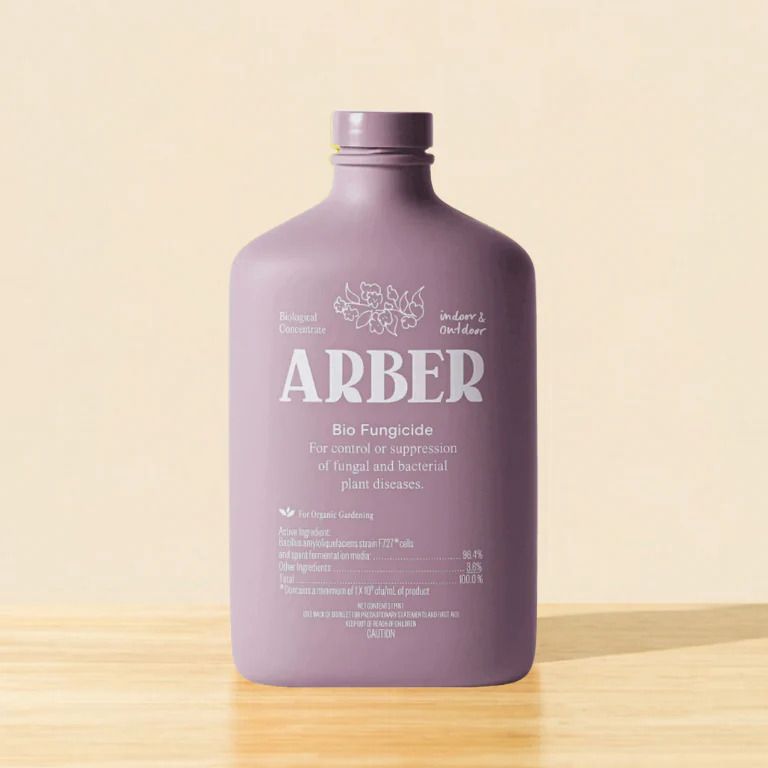
This natural bio fungicide protects plants against fungus, mold, and mildew. It can be used on both garden and houseplants alike.
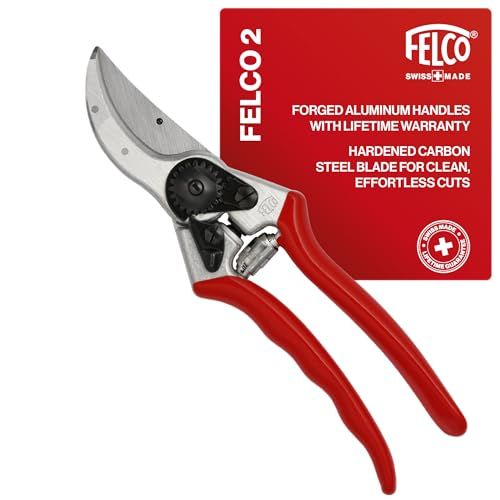
These Felco F2 pruning shears have ultra-sharp carbon steel cutting blades for clean cuts up to 1-inch in thickness.
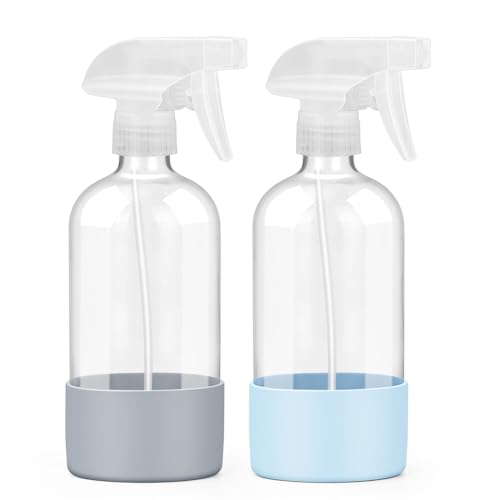
These glass spray bottles have adjustable spray nozzles and silicone sleeves for non-slip when sitting on surfaces. They're useful for DIY garden remedies.
It's worth giving the milk spray hack a go if you haven't had any luck with other methods to get rid of powdery mildew.
However, in the most severe cases it's best to remove plants entirely to stop the disease spreading. Our guide to handling powdery mildew on lawns has more information on keeping your grass disease-free.
If you love inspiring garden ideas, outdoor advice, and the latest news, why not sign up for our newsletter and get the latest features delivered straight to your inbox?