SYNTH WEEK 2026: At the end of the 1970s, synthesisers had started to become more affordable - well, they were less than the price of a car – and with this increased popularity, there was only ever one outcome: synth-pop!
Synth-pop was a label lazily given to pretty much anyone with a keyboard during the 1980s, a trend that we’re happy to continue with this feature, and could encompass everything from wild and wacky joy (think Happy Talk by Captain Sensible) to pomp and lengthy opera (Ultravox’s towering Vienna).
Acts could include duos (lots of duos) with sombre players and flamboyant singers (Sparks, Erasure, Soft Cell, PSB, Yazoo), morose four pieces (Depeche Mode), and even teen stars (yes, stand up Duran Duran).
This was an all-new, diverse and welcoming genre: ‘Welcome to the Pleasure Dome’ sang Frankie, as the decade flung its doors open to embrace technology, and give out VIP passes to anyone with a Prophet-5.
But with every synth-pop success, OMD, A-ha, Gary Numan, Yazoo, Human League, there was a Seona Dancing, and it’s these unsung (Ricky Gervais, unsung?, Ed) keyboard warriors who we’re celebrating today, as we count down the best synth bands, or, more loosely, ‘bands with synths, you might not have heard of from the 1980s.
We're avoiding one-hit-wonders, but have listed some in our 'also rans' below. And, yes, we’ll stretch the synth-pop definition to breaking point.
While we’re really just using this feature as an excuse to write about our favourite bands from that era, we are also trying to educate a new generation (and remind the old) about a decade that gave us some of the most sublime synth-crafted songs ever.
So here are the ones that got away, and, in some cases, are still getting away with it.
1. The Blue Nile
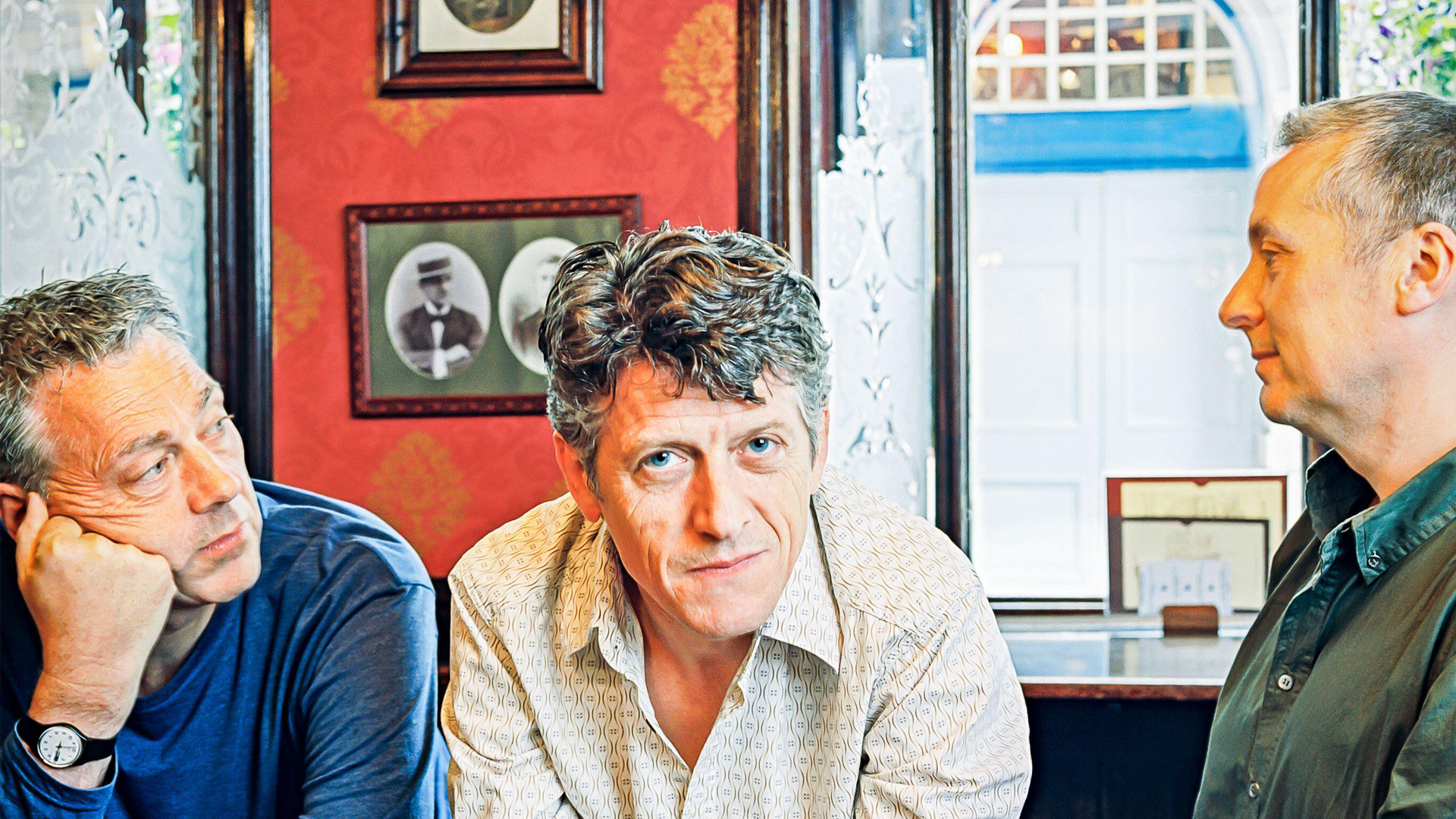
These three Scottish Uni mates were basically writing about, and making a lot more sense out of, all sorts of emotional stuff you wouldn't normally associate with three blokes living in Glasgow. You know, like the sheer and utter pain you endured after your first relationship ended, and trying to make sense of just an ounce of the emotion you felt after that crushing rejection. And better than even that sounds, they were doing it with synths.
The Blue Nile would hate to be labelled synth-pop though - their remit was sophisticated, slick and oh-so-sparse songwriting, with the best production outside of Real World studios.
In one of the rare (actually only) interviews they ever did about studio technology, they pretty much avoided talking about… studio technology.
Even veteran journalist Nigel Lord didn't managing to squeeze much information out of them.
"Could you perhaps be a little more specific about the instruments you play?" he asked in the October 1989 edition of Music Technology.
"A couple of guitars, bass, a couple of keyboards, some real strings...", the band's PJ Moore replied.
"You don't happen to know which keyboards by any chance?" Lord asked, fairly grumpily by this point.
"Er, just Roland and Casios."
Exasperated: "Any particular Roland or Casio?"
"There's a Jupiter 8..." Great. Anything else? "Obviously we use samples..." Ah, what sort of samples? "Everything and anything really." Natural sounds? "Yeah, sometimes."
And so it went on. Or didn't.
Ok, so The Blue Nile weren't quite the gear geeks we wanted them to be, but that might have something to do with Paul Buchanan's vocals which could and did lift any arrangement with any instrument to a higher state of consciousness.
This was the most emotive singing ever recorded to tape, all tied together with an atmosphere that could, did, and still does bring tears of… well what exactly?
Joy, wonder, love, heartbreak, melancholy… all of the above and usually in one line of one track. And make the most of that track; they were few and far between, with the band completing just four albums in the 20 years between 1984 and 2004.
The first two, A Walk Across The Rooftops and Hats, are the best; heavily textured in synths, and quite possibly the best recordings ever to show machines in their most human of habitats. And both (yes both!) are in my top five albums of all time.
But did The Blue Nile ever reach their full potential? Of course not, that would have been impossible, such was their promise.
They ended up getting fans in high places (Peter Gabriel and Taylor Swift to name but two) and their songs have been covered by a string of big hitters including Tom Jones, but after an unofficial break up, their 2004 album High looks like their last.
Although, if anyone could get away with leaving a 24-year-gap between that and a new album, it would be The Blue Nile, so fingers crossed.
2. China Crisis
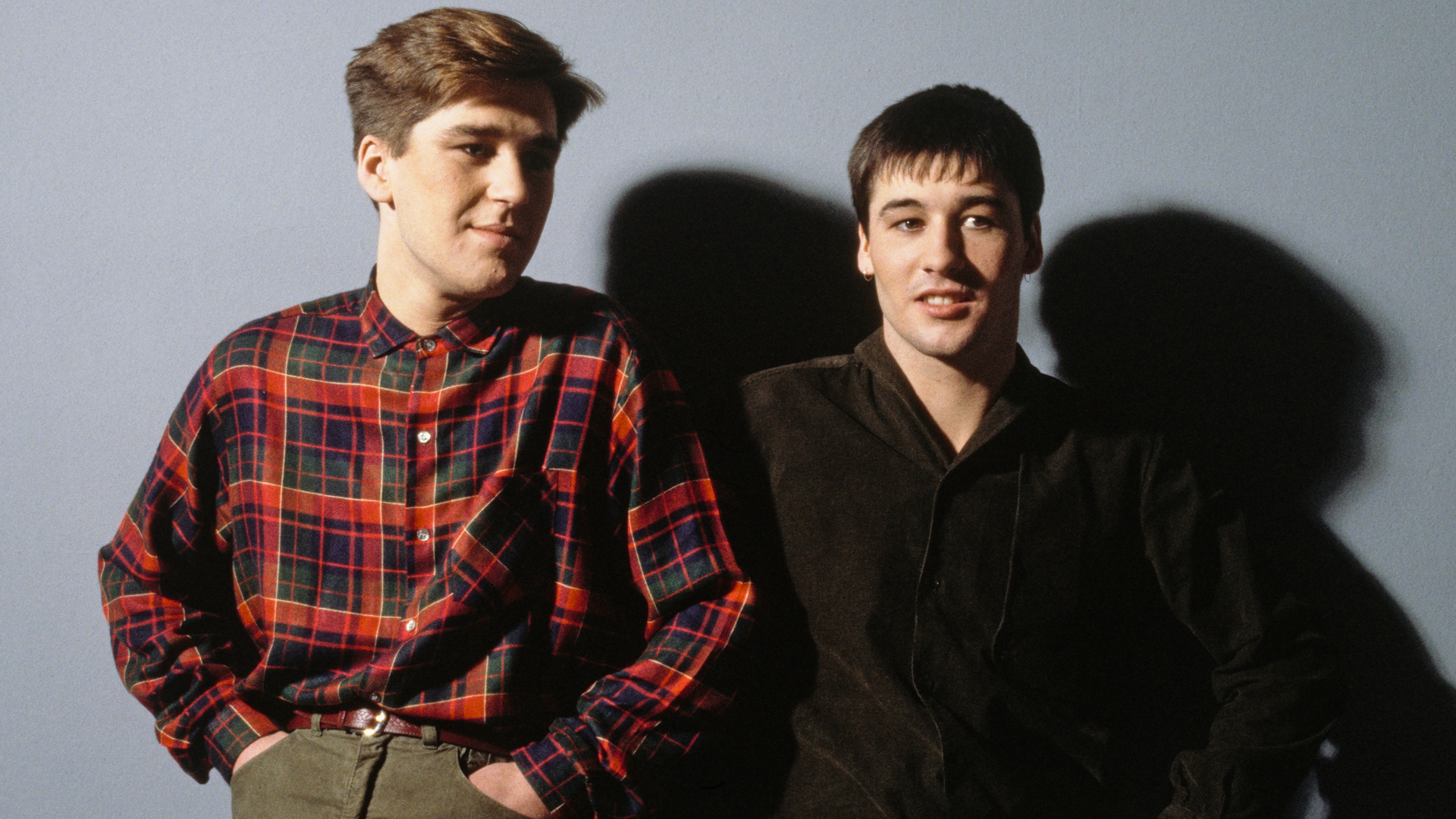
Before becoming the flag-bearers of smooth, West Coast yacht rock (think Steely Dan, whose Walter Becker once produced the band) ‘the Crisis’, as we called them back then, were a couple of synth nerds straight out of Kirby, UK who had met at school, tried doing cover songs but, as lead singer Gary Daly says, “after three months we thought 'f**k this', so started making our own music because we were no good at playing anybody else's.”
And the music they made would be sublimely appropriate for the time it was released, with singles Christian, African and White and Wishful Thinking not only layered with synths, but full of wistful charm, delicate atmosphere and Eno-esque backdrops.
That might not sound like a marriage made in chart heaven, but there was an 'anything goes' attitude back in the 1980s, so many a Crisis single would hit the highs.
As they became better at playing, so their sound became smoother and arguably less experimental, as Daly explained to Classic Pop in 2020, “I'm the synth guy in China Crisis. The first two albums was all me on them, a bit of Ed [Eddie Lundon] doing guitars, drum machines and some synths. But then we got a band full of musicians in so I gave it all up, under duress. I would still write on the synths - Arizona Sky and so on - but then you'd have someone playing, like, you have this amazing drummer making it a hundred times better.”
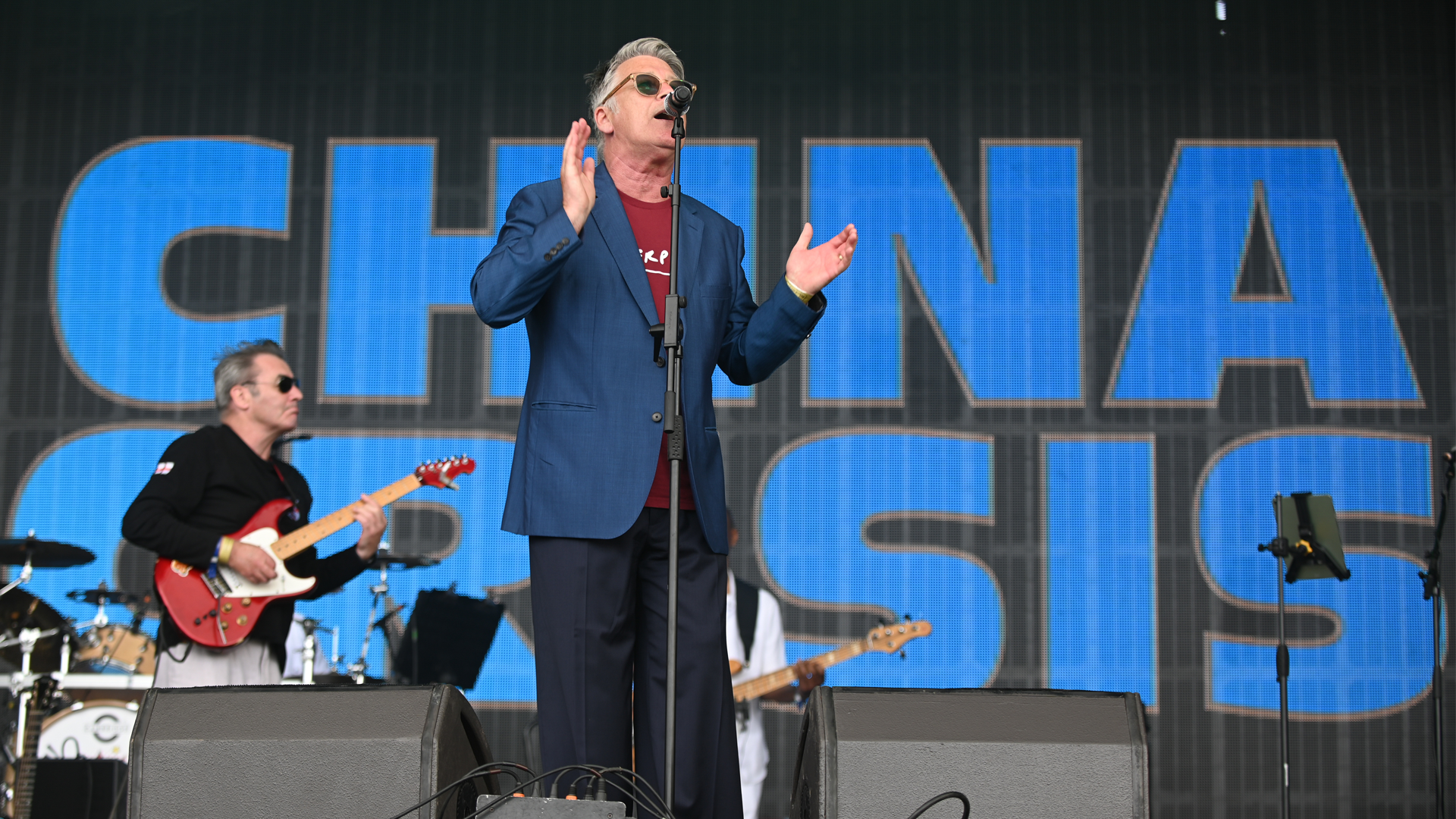
The Chinas, which we also called them back then, are still touring and have perfected a live show that includes anecdotes, comedy, some excellent playing and way more hits than you'll recall. Daly's solo album, Gone From Here, is also a superb collection of perfectly-crafted pop, with many an original CC synth making a return. Get it and you'll thank me later. Keep an eye on the band's official website for more.
Talk Talk
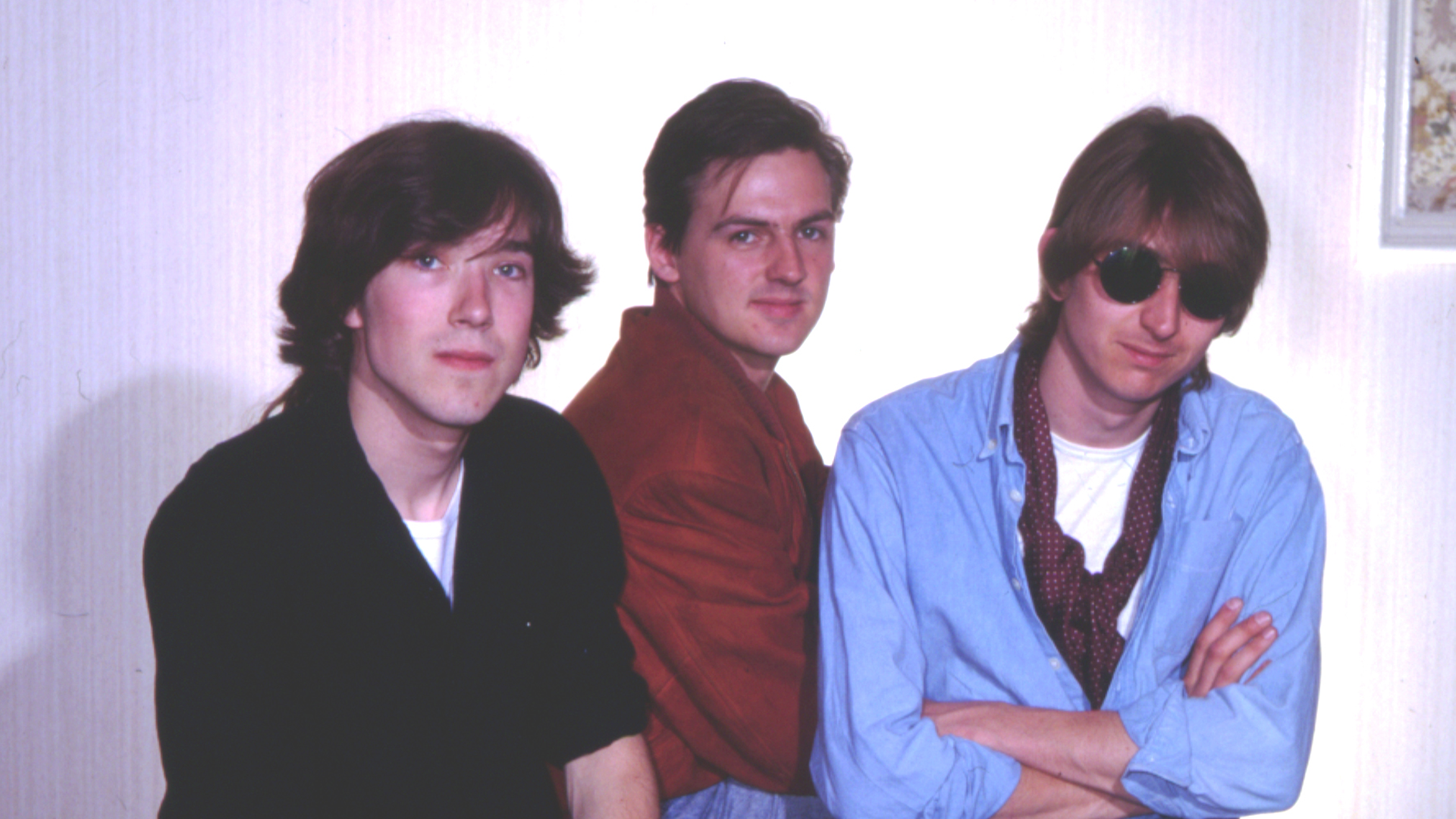
Yes, you'll probably already know a little about this lot. If you’ve delved into their history, you’ll know that Talk Talk became the biggest anti-heroes of music making, after they veered so far away from their pop roots while recording their fourth album, Spirit of Eden, that their record company asked them to re-do it. Which they promptly didn't.
What you might not know or remember, or what has been overshadowed by Talk Talk's more rebellious side, is that the band's synth-heavy chapter was actually full of brilliant pop songs.
Talk Talk started out with the looks, the suits, the keyboards, and the sounds, thanks in large part to the production talent of Bowie collaborator Colin Thurston, and debut album, The Party's Over, featured some mighty cuts including the title track, the single Today, and It's So Serious.
This album was at least matched in synth pop scope by It's My Life, Talk Talk's follow up. A track that of course, became a widely-known banger, and later covered by No Doubt. But don’t overlook Such a Shame and Dum Dum Girl.
Talk Talk's chart success was a bit 'meh' by this point, though, so third album The Colour of Spring saw a change in direction towards a more organic sound, but one that didn't forget to throw in some superb songwriting into the mix, with Life's What You Make It, Happiness is Easy and, personal favourite, Time It's Time, being just three picks.
In truth, there's not a dud to be found on The Colour of Spring, it really should be your first-choice buy if you are new to the band.
Lead singer Mark Hollis, who sadly passed away in 2019, then said 'sod this for a game of soldiers’, threw the synths out completely, went improv, minimal, with hints of jazz, and royally pissed off his record company.
The resulting albums Spirit of Eden and Laughing Stock are lauded by many as being the band's greatest, without a synth in sight which is kind of annoying considering the scope of this feature, two albums that lay the most uncompromising vision of Hollis as an artist right there for you if you dare to dive in.
You'll be richly rewarded if you do, although I'd have added some Jupiter-8 to them if it was me, which probably explains why I'm writing about music for a living rather than making it.
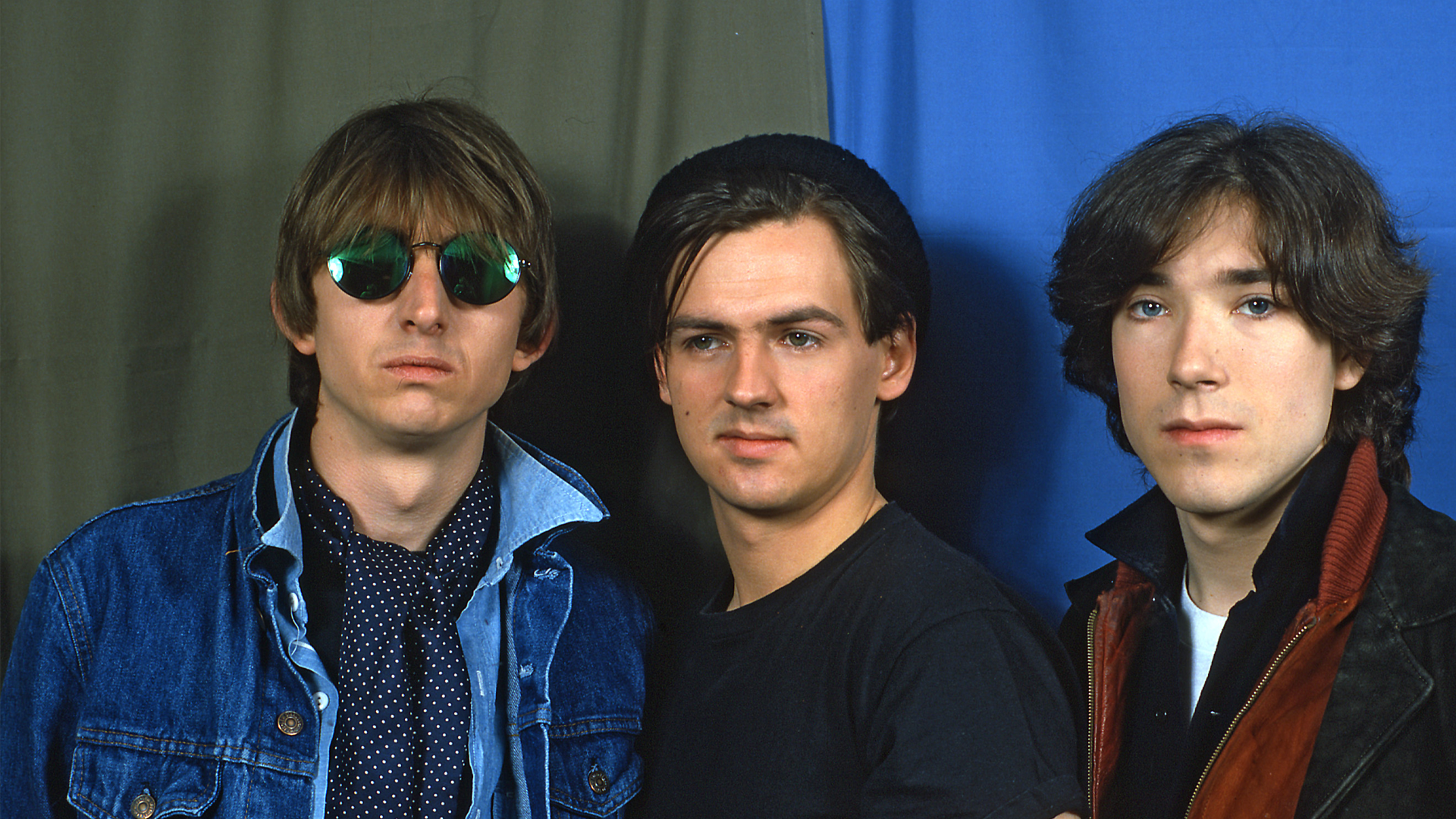
4. Blancmange
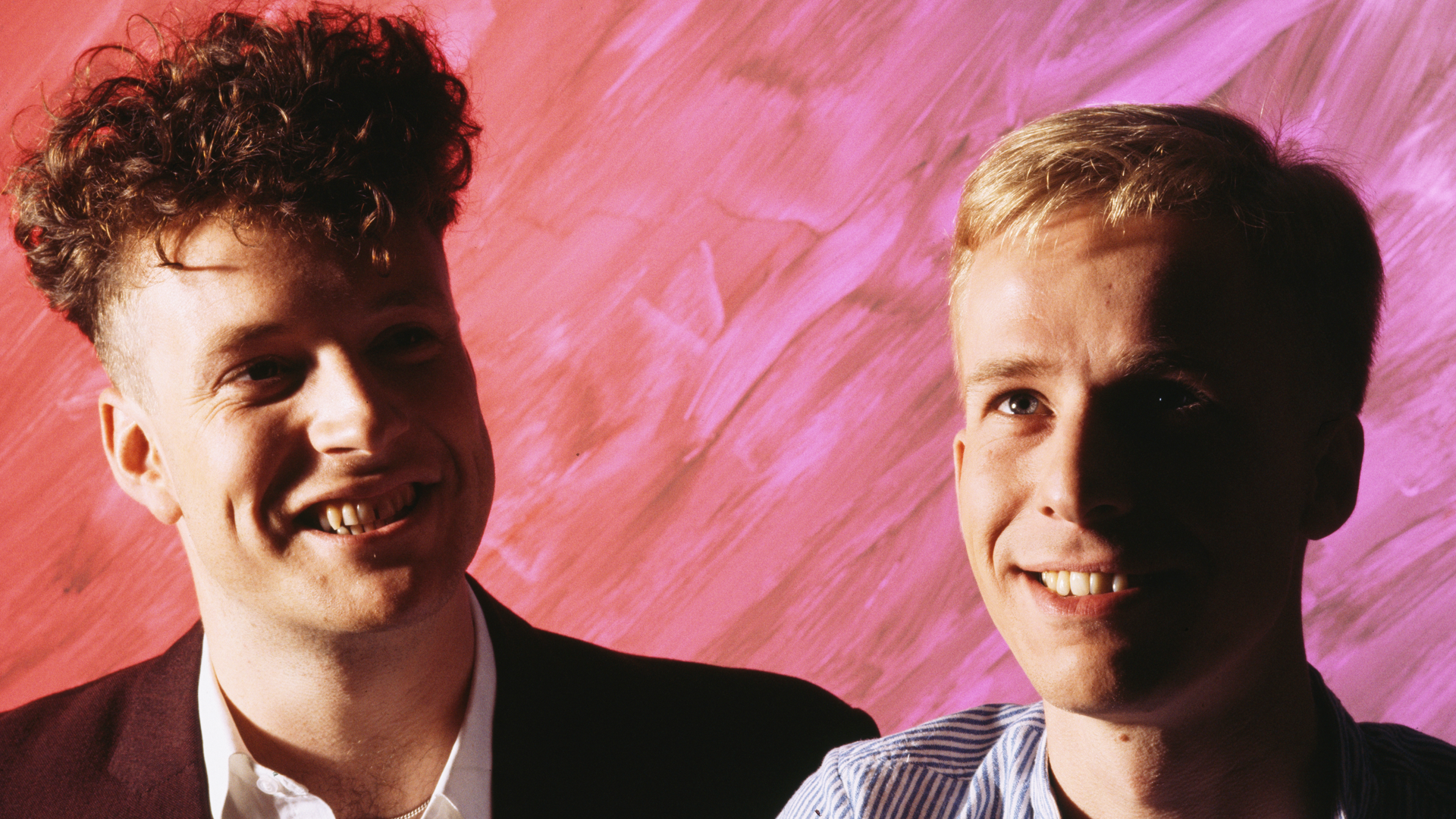
This synth duo - with lead singer Neil Arthur and Stephen Luscombe on keyboards - had massive success in the 1980s with the singles Living on the Ceiling, Blind Vision and Don't Tell Me.
Of all the bands here, Blancmange were clearly enjoying the moment and not taking themselves too seriously: "Even today I cannot believe that we did it," Stephen told this writer in 2017, "We weren't ambitious; we were stupid arseholes basically, just having a laugh and getting paid for it, and I always used to say 'do people really like us?"
Several hit singles and a hat-trick of very decent albums would prove that people really did like them, but as is so often the case, the pressure to follow up that early success put their relationship under pressure.
"If we’d carried on it would have spilt the friendship," Neil told Future Music in 2014. "So we said ‘come on we’ve had a good run for our money, enough of this, let’s go and do other things.’"
However, after doing just that, the story continued in 2011 when the duo reconvened for a fourth album, Blanc Burn. Unfortunately health problems meant that Stephen eventually had to take a back seat, leaving Arthur to carry the Blancmange flag into new territories, and it's these that warrant the band's inclusion here.
Arthur has released no less than a dozen albums under the Blancmange name since 2013, with highlights including Unfurnished Rooms, Wanderlust and Mindset. Material ranges from pure synth-pop to more experimental electronics, with a string of top names helping him out along the way, including synth-maestro Benge, Ivor Novello-award winner Hannah Peel and long-time Blanc guitarist David Rhodes.
Stephen Luscombe sadly passed away last year but Arthur continues to record and play live as Blancmange, and will be touring later this year as well as playing several festivals (more info can be found on the official Blancmange website). He is also shortly releasing an album with Vince Clarke and Benge under the name Doublespeak.
5. Japan
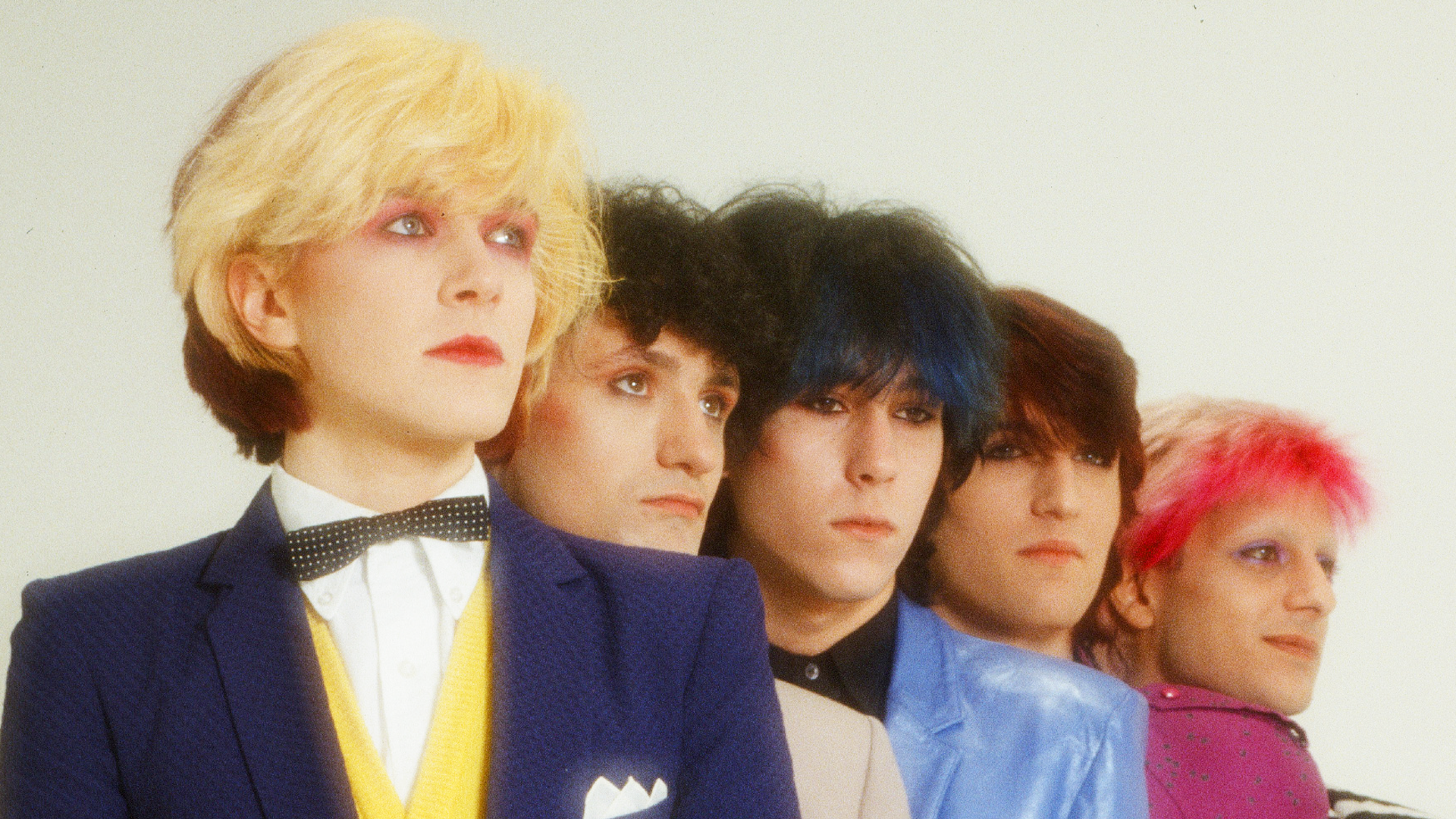
With quite a lot of success in the '80s, this David Sylvian-led art-house band only just squeezes into our list of not-so-well-known 80s synth choices, but many readers - especially in the US - might not be aware of just how damn good they were.
They produced some incredible music in the 1970s including Quiet Life and Life in Tokyo (complete with superb Giorgio Moroder 12-inch mix), but arguably peaked in 1980 and '81 with the LPs Gentlemen Take Polaroids and Tin Drum.
If you need any convincing, check out the band performing the track Ghosts on Top of The Pops below. So at odds was this track with the musical climate of the time (let alone TOTPs) we're still wondering if it actually happened.
Like the first version of Ultravox before them, though, there were just too many ego clashes and the band split in early 1983. They even managed to break some kind of band-splitting-up record a few years later by renaming themselves Rain Tree Crow in 1989, keeping exactly the same line-up, and splitting again in 1991 after recording an occasionally great album of the same name.
After making some quite incredible solo albums, Sylvian continues to produce more and more esoteric music, while brother Steve Jansen is also still involved in music, and keyboard guru Richard Barbieri enjoys a successful playing career with Porcupine Tree. We caught up with Richard a few weeks back for a fascinating talk through Japan history and his current projects.
“Japan was part of the zeitgeist - we were on the BBC, in the tabloid newspapers and part of culture,” Richard told us. “At the height of Japan, you could rarely walk down the street without being recognised.”
Sadly, the band's legendary bassist Mick Karn passed away in 2011.
6. New Musik
In 1980, New Musik looked like school teachers bunking off to the pub on a Friday lunchtime, which school teachers actually did in 1980. (And smoking in the staff room) Only this lot were probably bunking off to a studio somewhere to make some of the most well-produced synth ditties of the decade.
Producer and lead singer Tony Mansfield was responsible for the sound, and he knew a thing or two, going on to produce both Captain Sensible and A-ha, including lush Prophet synth lines, jangly guitars, and all intermingled with his trademark depth-charge sounds.
But it was the songwriting that really lifted these tunes into the early 80s psyche and charts.
Debut album From A to B contains their best work, although two further albums (Anywhere and Warp) have some great moments too.
Singles Living By Numbers, Sanctuary and This World of Water deservedly hit the UK charts, but by 1982 the band had fizzled out, with Mansfield moving into production before completely disappearing (from the music scene, not physically) and the rest of the band presumably returning to work at Grange Hill comprehensive.
Also worth a look…
Simple Minds
Before they went 'stadium' and 'world', the Minds made some absolutely cracking electronic grooves (The American, Theme For Great Cities and I Travel)
Lotus Eaters
For the sublime First Picture of You
Basking Sharks
They’re the best synth band in the '80s not to have a hit
The Mobiles
For the synth solo on Drowning in Berlin
Cabaret Voltaire
For being seminal and essential
Re-Flex
New wave one hitters with A Politics of Dancing
Men Without Hats
The Safety Dance, need we say more?
Our Daughter's Wedding
Lawnchairs (are everywhere, are everywhere…)
Seona Dancing
For a young, Bowie-aping Ricky Gervais, of course