On the day of the death of the granddaughter of the late President John F. Kennedy, Tatiana Schlossberg, grief inside one of America's most storied political families collided with raw political theatre.
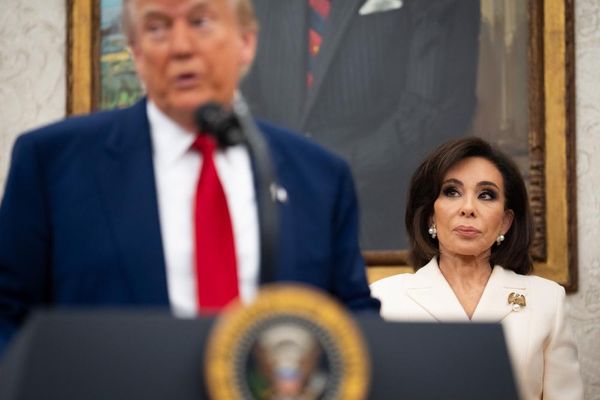
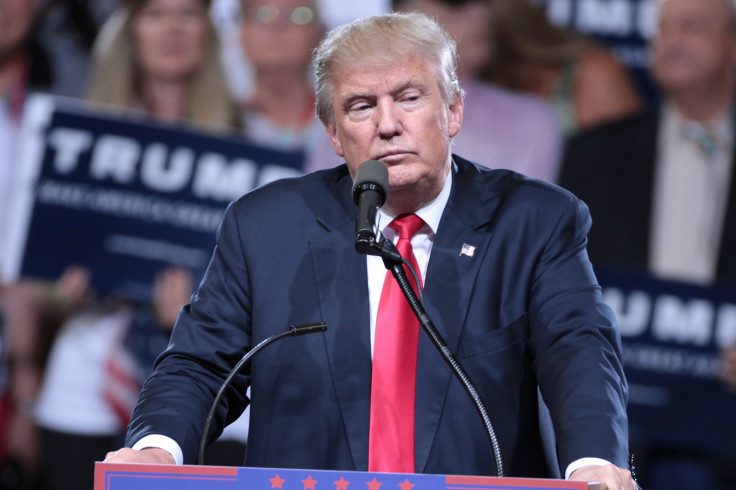
US President Donald Trump drew criticism after amplifying social media posts mocking the Kennedy family, a move commentators described as jarring given the timing and the family's public mourning.
The remarks, shared on Trump's Truth Social account, reignited long-running tensions between Trump and the Kennedys while unfolding against a separate controversy over the future naming of the John F. Kennedy Centre for the Performing Arts.
It Was An 'Indirect' Attack
Trump posted to Truth Social with pictures showing MAGA supporters making fun of the Kennedy family in his recent activities.
The posts alleged that the Kennedys had paid no attention to the Kennedy Centre, that they neither supported nor visited the establishment, and that they had opposed the perceived lack of family support for the arts, in contrast to Trump's actual support for the arts.
British political activist Raheem J. Kassam wrote, 'The Kennedy Family have LONG neglected the Kennedy Centre, btw.'
'They don't raise money for it. They never show up. And the only Kennedy who has been there recently is a member of Trump's cabinet,' he added.
There was also the use of pictures and comments in Trump's posts, where he mocked the way the Kennedy family had handled the current events and argued that his decision to put his name on the Kennedy Centre was an offer of support, not an offence.
The post sparked reactions from political commentators and other family friends who found the attacks inappropriate because the family was mourning.
The Kennedy Centre Re-Naming Issue
The personal tragedy was surrounded by controversy over the recent move to rename the Kennedy Centre, the best performing arts theatre in Washington, D.C., in honour of President John F. Kennedy.
It was initiated by the White House, with press secretary Karoline Leavitt stating that the board had voted unanimously to rename the centre the Trump-Kennedy Centre.
But shortly, it was reported that the vote was by no means unanimous.
Tatiana's brother, Jack Schlossberg, complained that the meeting was marred by procedural flaws, stating that members opposed to the renaming of the company were silenced in the decision-making process and given no chance to express their views.
These worries were echoed by Congresswoman Joyce Beatty, an ex officio member of the Kennedy Centre board, who claimed she was silenced and could not cast her vote; she implied a lack of transparency and possible evasion of statutory law.
For the record. This was not unanimous. I was muted on the call and not allowed to speak or voice my opposition to this move. Also for the record, this was not on the agenda. This was not consensus. This is censorship. https://t.co/D1zGV7xiWV pic.twitter.com/npNvSIy6sV
— Rep. Joyce Beatty (@RepBeatty) December 18, 2025
Legal experts and relatives supported the view that the Kennedy Centre was a memorial under federal law and could not be renamed at will. Joe Kennedy III pointed out that the centre is a legal monument of the federal government, which is similar to the Lincoln Memorial, and cannot be renamed without the necessary legislative procedures.
Tatiana Schlossberg: Author and Granddaughter
Tatiana Schlossberg, daughter of Caroline Kennedy, died on December 30, 2025, after a fight with acute myeloid leukaemia, which was diagnosed a little more than a month before. Her demise was a tragic affair to the Kennedy family, as they paid touching tributes to her life and character. She was 35.
The JFK Library Foundation shared the diagnosis and her struggle with a rare, aggressive type of cancer. She was a hardworking mother who had two young kids, Edwin and Josephine and a loving wife to George Moran.
The resilience was evident through her struggle with severe medical interventions, such as chemotherapy and bone marrow transplants. Her sister, Rose, and brother, Jack, were also very active in helping her through the ordeal, even donating stem cells to help her recover.
Her demise led to the expression of sorrow among family, friends, and supporters, and Caroline Kennedy was quoted as saying that her daughter was a brave spirit who enjoyed life.
The grief of her death was emphasised by a lot of mourners, particularly considering that she had publicly discussed her diagnosis with a very high degree of openness and that she wanted to avoid exposing her family to her pain.
As the Kennedy family continues to grieve, the episode has reignited debate over civility, legacy and the boundaries of political confrontation in moments of personal tragedy.