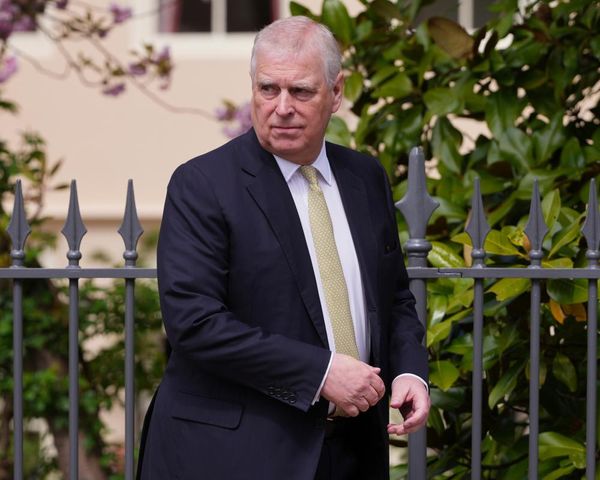
Gajanan Mallya has been only the second longest serving General Manager of the South Central Railway — he has been in the key position for two years and 11 months. He will be retiring after four decades of railway service this week. In this interview, he discusses the highlights of his career, dealing with challenges posed by the COVID-19 pandemic and works done during his tenure. Edited excerpts:
How do you look back at your railway journey?
Time flies. I spent 60 years of my life in railway colonies as my father, too, worked with the railways. After completing my engineering education, I was allotted to SCR and began work at Ramagundam and then Kazipet, etc. I was part of the technology change from metre/narrow gauge to broad gauge, steam to diesel to electric locomotives, vacuum to air brakes and so on. We are almost cent per cent broad gauge now and total electrification is 2-3 years away, depending on fund allocation.
How challenging was dealing with the COVID pandemic?
For the first time, Indian Railways came to a standstill. It was shocking because even during the cyclone, we ran our services. But, we never stopped working as the freight trains were restored and Shramik specials (first across the country; from Lingampally to Hatia) began. We had to make arrangements for food and water in association with the government and voluntary bodies as stations were shut.
How did your staff respond to the crises?
Railways is like the Army, geared to deal with emergencies. There is an in-built spark to do our best during a crisis. There was not a single instance of dissent and no crew member refused to work for the fear of getting infected. For me, it was a great thing as not a single train movement was affected.
What were the challenges during the first and second COVID waves?
We took up a massive campaign on COVID-appropriate behaviour, started making sanitisers, stitched masks and even PPE kits for our healthcare personnel as there was a shortage.
Online meetings with our chairman and Minister every alternate day was about how many litres of sanitiser was available. We took other measures like bringing the crew on the same day to avoid night stays. The big issue was getting private hospital beds, so we scaled up our own infrastructure with more beds, doctors, oxygen plants, etc. Our workshops had to function, where workers were in close proximity, so we cut their strength by 50%.
Did the pandemic affect your schedules?
Passenger trains were fewer, but we made use of this period to organise online refresher courses for the staff, took up long-pending repairs on busy sections as in Godavari bridge (after 43 years), yards in Vijaywada, Kazipet, Rajahmundry and many other places. Long term works like new lines, doubling (771 km built/215 km new line/677 km electrified in last 3 years) were expedited as were crucial short terms of loop and bypass lines.
What were the other initiatives?
The focus was on freight and forming business development initiatives forced us to change our attitude towards freight customers as they give us our bread and butter. We earned a high of ₹108 crore last year and have crossed ₹148 crore this year.
Any projects you wish were completed?
Projects where the states had a role in funding could not be completed though we had invested our share, including the MMTS Phase II and Gajwel line among others. However, on the bright side, we were successful in improving Tirupati, Chandragiri, Tiruchanoor stations and vital links at a few places. The Bhadrachalam- Sattupalli line will be ready by February 2022.