The 2026 FIFA World Cup final delivered a historic television audience in the United States, drawing a combined 62.8 million viewers across English- and Spanish-language broadcasts, setting a new record as the most-watched soccer match ever in the country.
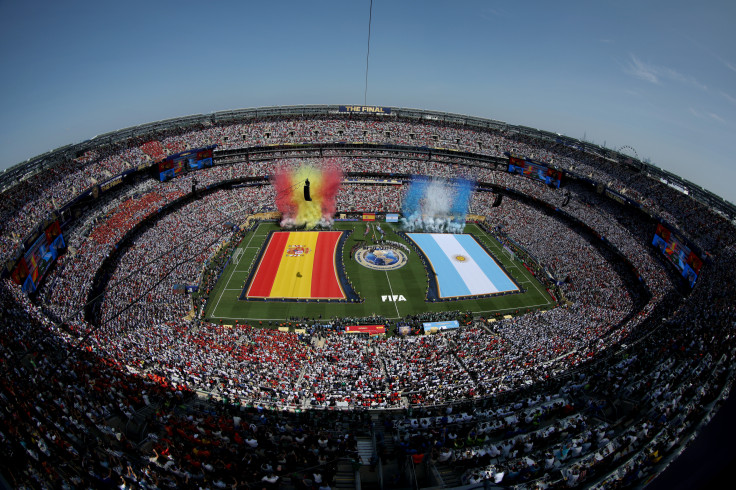
The championship match, played at MetLife Stadium in East Rutherford, New Jersey, saw Spain defeat defending champion Argentina 1-0 after extra time. The tightly contested final remained scoreless until Spain broke through in the 106th minute, capping a tournament that consistently shattered television records throughout its month-long run.
According to Nielsen figures released by broadcasters, Fox's English-language telecast averaged 38.9 million viewers, making it the largest English-language soccer broadcast in U.S. history.
Spanish-language coverage on Telemundo and Peacock attracted another 23.9 million viewers, becoming the most-watched soccer event ever on Spanish-language media in the United States. Combined, the audience nearly tripled the U.S. viewership for the 2022 World Cup final.
The United States served as one of the World Cup hosts, alongside Canada and Mexico, bringing matches into favorable North American television windows while creating nationwide excitement around the event.
The U.S. men's national team's run to the Round of 16 also fueled interest among casual fans before its elimination, while blockbuster knockout matchups featuring global stars including Lionel Messi, Kylian Mbappé, Erling Haaland and Harry Kane maintained momentum throughout the tournament.
Television ratings steadily climbed during the knockout rounds. Reuters reported that England's Round of 16 victory over Mexico attracted roughly 45 million U.S. viewers, surpassing audiences for several recent NBA Finals and World Series games.
Earlier in the tournament, the Argentina-England semifinal established a new English-language World Cup semifinal record, demonstrating sustained viewer interest before the championship match.
Streaming also played a significant role in expanding the audience. Fox's recently launched streaming platform, Fox One, recorded its strongest subscriber growth during June and July, while Peacock benefited from viewers seeking Telemundo's Spanish-language coverage. Analysts say the availability of matches across broadcast television and streaming services made the tournament more accessible than ever for American audiences.
The record-breaking audience also translated into significant commercial success. Reuters reported that advertiser demand reached unprecedented levels during the tournament, with premium commercial inventory during knockout matches commanding prices around $1 million per spot. Fox also benefited from additional advertising opportunities created by hydration breaks, which effectively divided matches into more commercial windows.
Industry analysts believe the tournament's ratings success will have lasting consequences beyond television. FIFA is expected to begin negotiations for U.S. media rights to the 2030 World Cup, and the record audience strengthens the value of those future broadcasting agreements. The tournament also demonstrated the growing importance of Spanish-language audiences, who accounted for nearly 40% of the championship's total U.S. viewership.