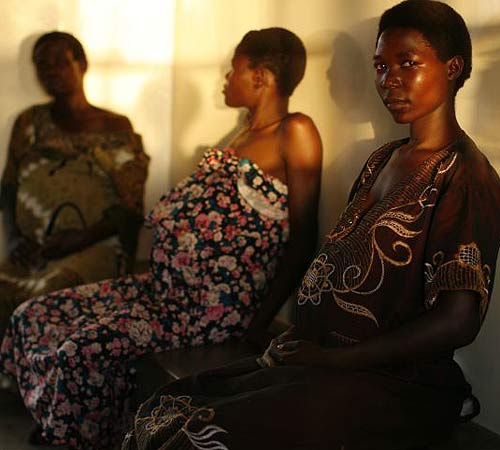
Traditional birth attendant Josephine Achen attends to a pregnant woman. Josephine received only basic training seven years ago, when there was no one else in the village to act as a midwife. She is now involved in training other birth attendantsPhotograph: Dan Chung/GuardianPregnant women wait to enter the maternity ward of the Katine health centre. Over the past year, village health teams have received training to help prevent unnecessary deaths in pregnancy and childbirth. As a result, the number of deaths has droppedPhotograph: Dan Chung/GuardianWomen and babies in the maternity ward of the Katine health centre, which was opened two years ago. Improving healthcare in the sub-county is one of the five components of the Guardian’s three-year project with Amref. Over the past year, mosquito resistant nets have been handed out to pregnant women in the sub-countyPhotograph: Guardian
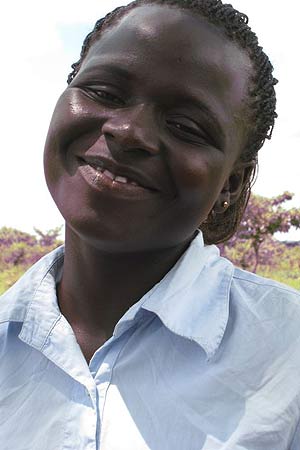
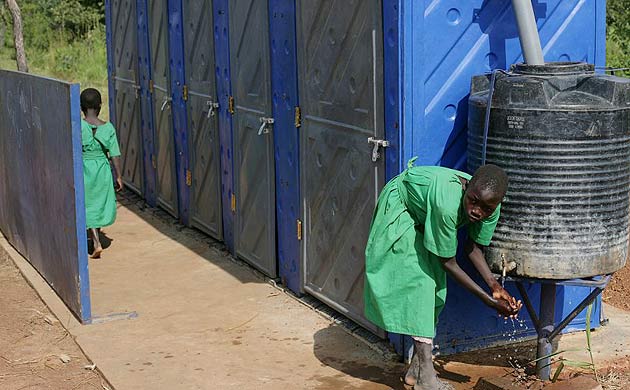
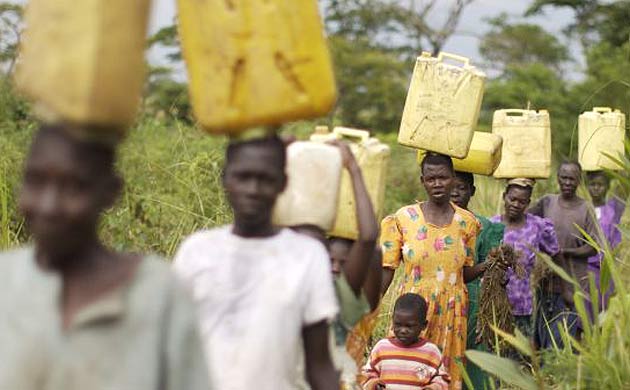
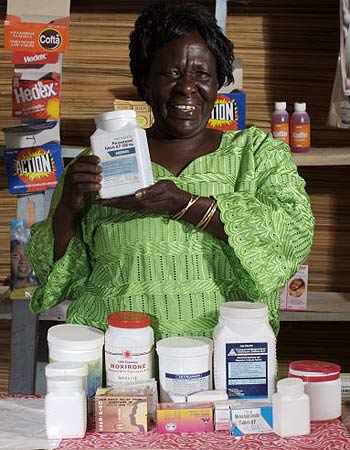
Agnes Ameo is the only girl from her village to have passed O-levels and is now setting another record – as the first female teacher at Amorikot primary schoolPhotograph: Madeleine Bunting/GuardianSantina Awio is a teacher in charge of girls at Katine primary school. The school faces many challenges, including a lack of textbooks. Over the past year, 2,000 textbooks have been handed out in the sub-county and 102 teachers have been trainedPhotograph: GuardianA child washes her hands at the new latrines at Amorikot primary school. One of the reasons many girls drop out of school when they reach puberty is because they don’t have access to decent sanitation facilities. Research has found that educated women hold the key to developmentPhotograph: GuardianWomen and girls are traditionally expected to fetch water for their village. They use jerry cans to carry water they collect from the pumps. As part of the Katine project, new boreholes have been drilled and existing wells protected, which means more people have access to safe, clean water. It also means women have less distance to travel to fill their cansPhotograph: Dan Chung/GuardianSarah Akol, 18, helps farm her mother’s land early in the morning. Most villagers, young and old, rise at 6am to tend their land before going to school or out to work to earn a typical daily wage of 50pPhotograph: GuardianWomen move soya from the World Food Program at the Katine health centre. The soya is for pregnant women and new mothers. The food was being stored in the local doctor’s housePhotograph: Dan Chung/GuardianWomen cooking food in large pots for sale at Katine marketPhotograph: Dan Chung/GuardianMelissa Iruo, Katine’s hairdresser, braids the hair of a young mother. Find out what three Katine women think about their role in society herePhotograph: GuardianPolitician turned pharmacist Loyce Achao in her pharmacy. Among her achievements as a local politician were the upgrading of the Katine health centre, the building of another in Ojom, new iron roofs for several schools and road improvements. Now she runs a pharmacy in Katine's high streetPhotograph: GuardianKatine women attend a village savings and loans association meeting. Another pillar of the Katine project is improving people’s livelihoods. One of the ways to do this is to establish community-based financial services for villagers. Barclays is working with Care International and local NGO UWESO to create 200 VSLAs across KatinePhotograph: Martin Godwin/GuardianWomen take their children to fetch water. Collecting water is often a social occasionPhotograph: Dan Chung/Guardian
Sign up to read this article
Read news from 100’s of titles, curated specifically for you.