Launching a new West End restaurant is a white knuckle roller coaster ride at the best of times.
Throw in some of the toughest trading conditions for hospitality for decades and layer a major global geopolitical crisis on top and it surely becomes an exercise only to be undertaken by the foolhardy or the very brave.
So last month’s opening of Sale e Pepe Mare - a new restaurant inspired by Italian coastal dining, at The Langham hotel near Oxford Circus – could only be the severest test of nerves for all concerned.
The elegant dining room – in a space once occupied by Chez Roux at the Langham, and more recently by short lived Mimosa – is a second outpost for a venue that began in Knightsbridge as long ago as 1974.
That is an absolute aeon in London restaurant longevity terms so the owners, currently Thesleff Group, which bought it in 2023, must have been doing something right.
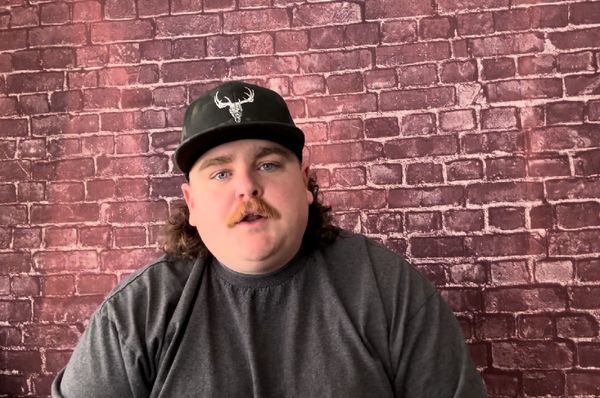
Chief executive Markus Thesleff, 52, is showing some of the scars of what was a stressful final fit out but is buoyed by his natural fast talking ebullience and a strong opening few weeks after his traditional ”pressure cooker test” final preparation .
It has been a long slog: “You know, people think these things happen overnight, but they take some time to to come to life. This one is probably a good 18 months since we started the conversations.
“Was it a different world then? Yeah, 100% but it's also been an interesting journey.”
Finnish born Thesleff, who has also spent much of his career in Dubai, describes himself not as owner but “custodian or caretaker” of a brand he knew from visits to London as a boarding school boy at the Tasis American School in Surrey in the Eighties. “I didn't create it, and you never really own anything.”
.png)
“And when the opportunity arose, I was there for lunch and Toni (original owner Toni Corricelli) is like, ‘have you thought about buying it?’ And he explained to me how all the big names were there, circling and made offers to buy - the list was pretty impressive,
“There were lots of international names and Middle Eastern names, as you can imagine, big groups, everybody wanted to change the concept. For me, I remember how it was with my parents. And I wanted to keep that, but bring it into to modern day.”
Sale e Pepe Mare is the first offshoot in more than 50 years of trading with the Langham chosen because “this is the first luxury five star hotel in London, and it was where the afternoon tea was invented.
“So for me, it was like these two London institutions coming together, yeah. And that's kind of the story behind it.”

The Roux history meant there were “some serious boots to fill, but I purposely didn't want to go down that road I wanted to keep the room really light and airy. But go, try to get away from this mega grand, almost ballroom feel that it had.”
“The challenge was to try to create this intimacy in such a grand room. And there were a number of design challenges we encountered.
One particular issue with a joinery sub-contractor meant: “We spent the last seven days spraying and painting everything blue.
“How do you do that when there's dust around, like it's a nightmare. Like Mike Tyson says, everybody's got a plan - until you get punched.”
But, it was worth the stress – doubled because Thesleff was moving house at the time as well.
Now the 130 seat dining room -which features a 16-foot floor-to-ceiling bar hums as happy punters tuck into signatures such as Linguine All’Aragosta, Branzino al Sale and Linguine Vongole e Bottarga, while choosing their fizz from the gleaming champagne trolley.
Thesleff started his hospitality career in 2001 with the nightclub Pangaea but is perhaps best known now for the Mexican-Japanese concept Los Mochis, of which there are two outposts, in the City and Notting Hill.
By opening Sale e Pepe Mare he is making another major multi-million pound commitment to a city he considers his home town. But he is deeply worried about the direction the capital is heading, particularly for the hospitality sector.
“In my opinion, it's always been between London and New York, the culinary capitals. It's always London, New York, and they take turns, up and down. And these cities have these natural ebbs and flows.
“And I was asked, So, where is it? And I was like, man, I want to say London. And then I'm like, Mexico City right now is cool shit for food. Mexico is very, very cool. And you can see that from the amount of Michelin stars and 50 best restaurants entries.
“And I was like, you know, Copenhagen, Denmark had its moment. Colombia's there. I think Korea's doing some really interesting stuff…
“I was like, for me, I want to say London, but I can't at the moment, and it's a shame, because this is our home city, and I don't think it's a case of London down on itself. I think it's been crushed in a number of different areas.”
He dates the start of the decline back to Brexit that “just makes things very much, much more difficult than elsewhere” and also the ever rising costs that have followed.
“And that sort of affects your employment piece and your key ingredients and items coming in and food inflation. And then you have this more recent, wider economic thing going on - I think it's problematic.
“I think it's super fixable, but I think it needs to come down to growth, and there needs to be a growth mindset.”
He says London enjoyed its apogee during the about a decade ago when “the golden generation” of chefs nurtured by Gordon Ramsay lifted London’s global reputation.
“Then you had this new lot of chefs that came in, that I got stars just before covid. And then you had all these home cooks during covid that came through, and when we came out, they were everywhere.
“You got to the point where, if you were 23 year old chefs with tattoos and a beard, you kicked ass, right.”
But over the past two years London has become so prohibitive they are going to stifle that, next generation.”
Like many foreign born entrepreneurs who have made their way in London, Thesleff is upset at what he sees as the huge number of own goals and self criticism holding back the capital and the UK as a whole.

He cites the English private school system and the monarchy as two globally renowned institutions under attack.
“ You know what? The monarchy is not perfect. They're humans, like anybody else. But everybody who comes in, they want to go to Buckingham Palace, they want to go see Windsor Castle.
“And when they do that, they're also staying in the hotels and going to the restaurants and the musicals in the theatre and this whole this thing is one massive ecosystem. It's 10% of our economy. It's £250 plus billion and almost 4 million employees between the two.
“Oh, and by the way, when the tourists don't come, who's going to subsidize the tubes and trains when they're not buying, who's going to subsidize the shows, the theaters?
He is also deeply critical of levels of crime in London and says a perception of lawlessness is doing huge harm to its reputation.
“When Giuliani came into power, he took New York from essentially being a bit of a shithole in those days right to the culinary powerhouse -and it all became about New York for years.
“And what did he do? He tackled the squeegee. In every corner in New York there used to be a dude with a squeegee, you know, like basically dirty water in your windscreen: If you don't pay me, you know, I smash your window right, and that is literally what is going on right in England.
“And then you get arrested. Guess what? You can mug anybody. You don't get arrested in England, they're robbing stores and people just standing there because the police's hands have been tied.”
But despite all the failings, he says he still believes in London, “we want to continue investing in London, but there's a lot of pain coming. It’s frustrating seeing the man on the man or woman on the street right, working their ass off, wanting to be proud of their home and their garden and where they live in the street, and every time they say anything positive about it, they get kicked
“I think it's fixable. I think the total focus should be on growth and positive mindset. I'm going to keep waving my flag, doing the best that I can.
“It would be good to have more support…we're doing some cool, fun, exciting stuff. I would love to do more, right? We just need to get a little bit more confidence as entrepreneurs in London, that we’re not going to punished for being successful.”