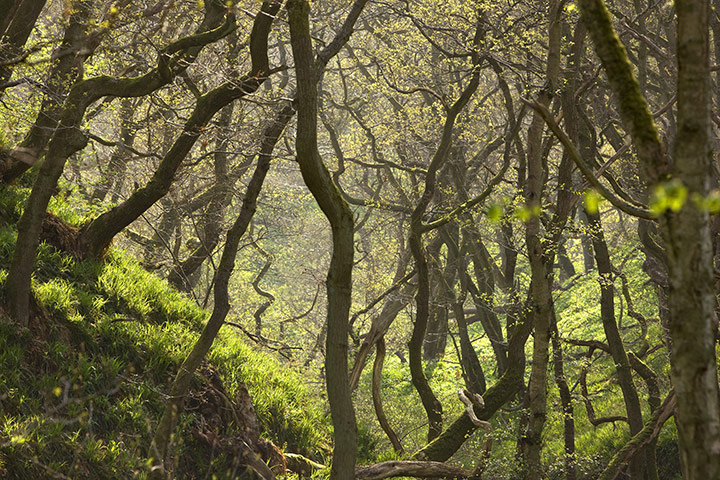
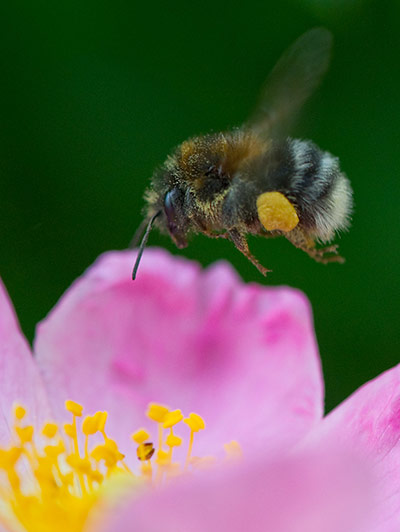
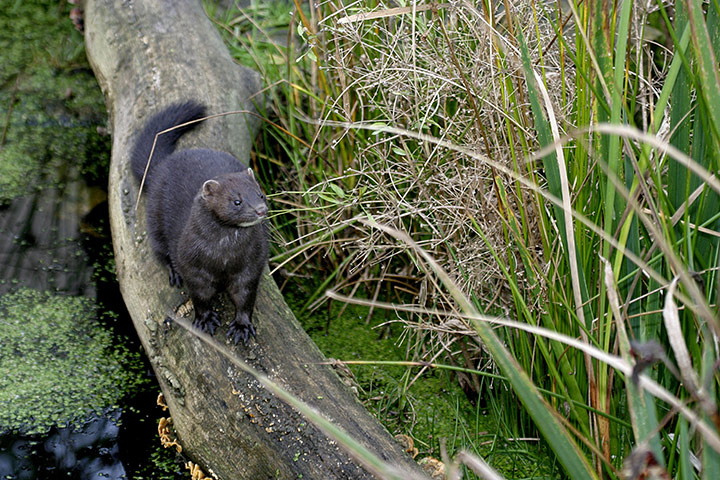
Woodhall Dean, a Scottish Wildlife Trust nature reserve near Dunbar, is dominated by sessile oak and is one of the few surviving remnants of the oak forests that covered much of southern Scotland 5,000 years agoPhotograph: Murdo MacLeod/GuardianA bumblebee collects pollen from a dog rose in Germany. Bumblebees transport the pollen with the aid of hairs on their legs and use it to feed their youngPhotograph: Uwe Anspach/AFP/Getty ImagesThe largest ever initiative to remove breeding American mink from the north of Scotland is under way in an effort to protect the country's native wildlife Photograph: Darin Smith/PA
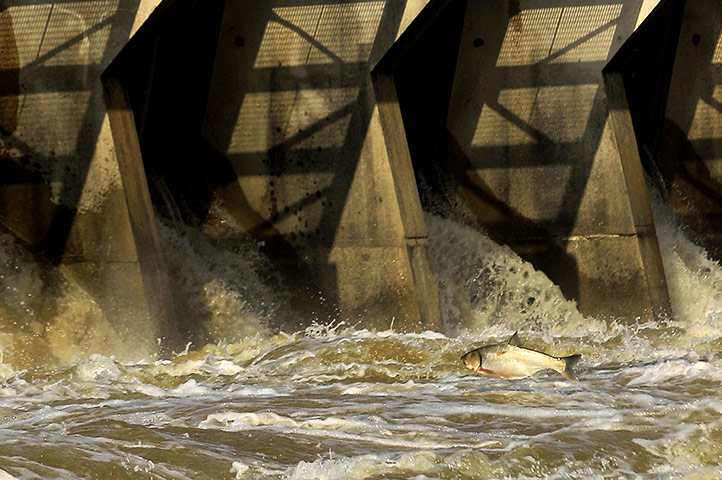
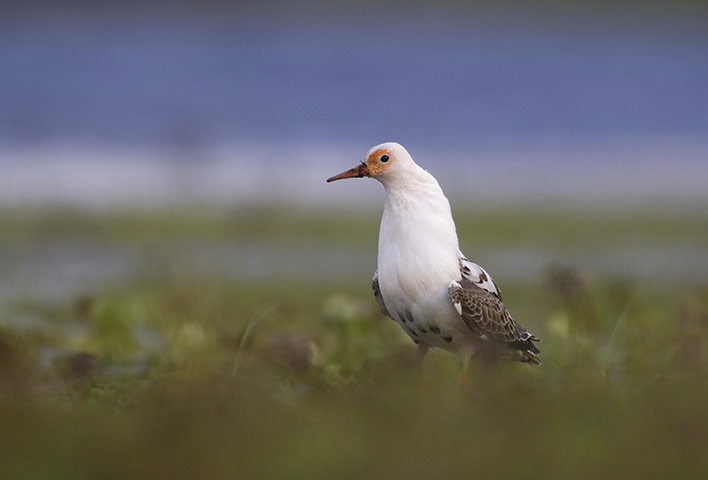
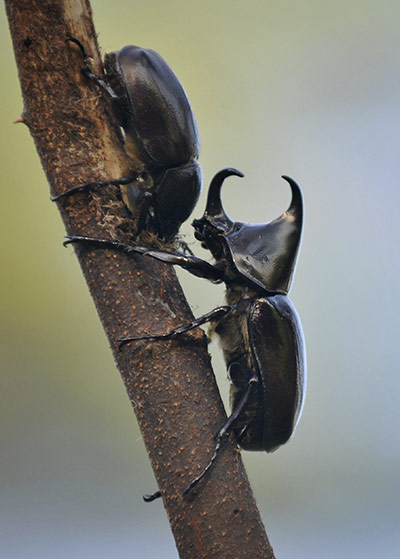
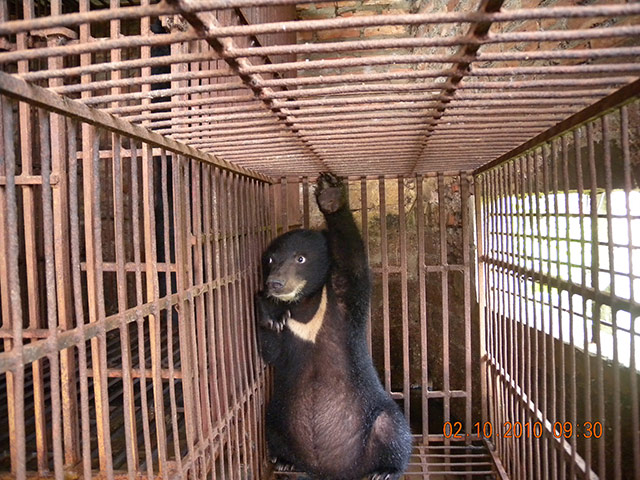
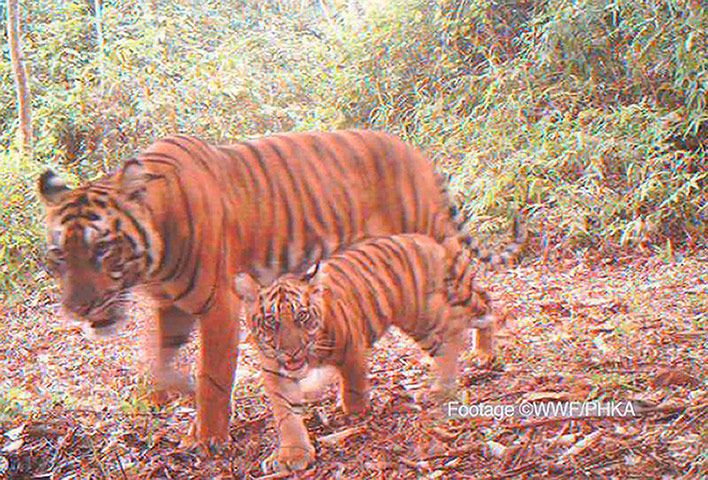
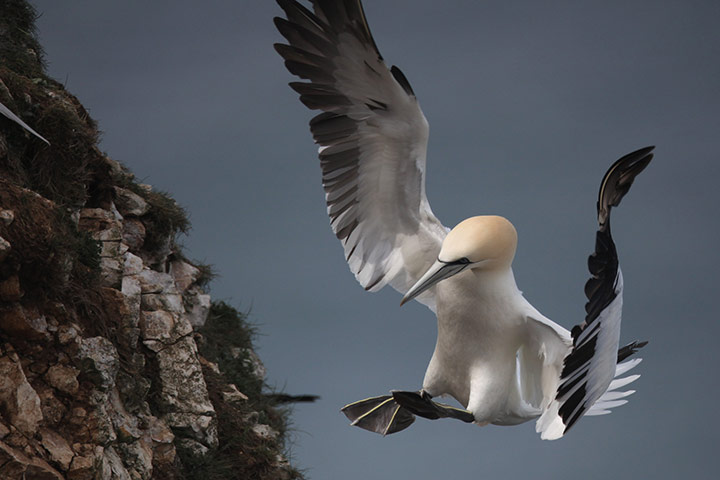
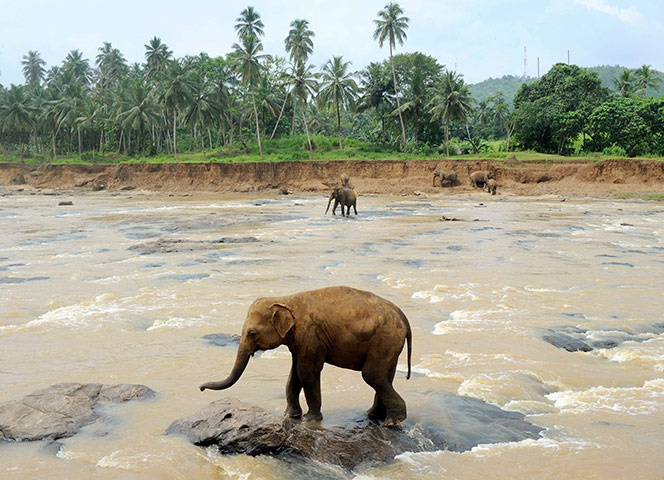
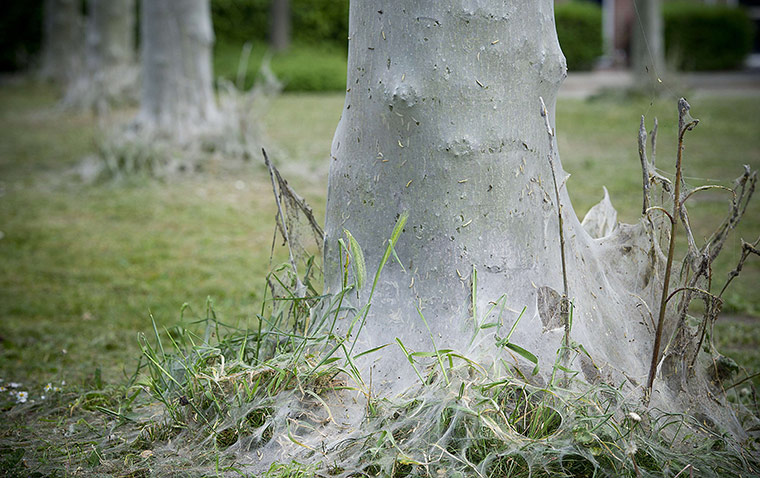
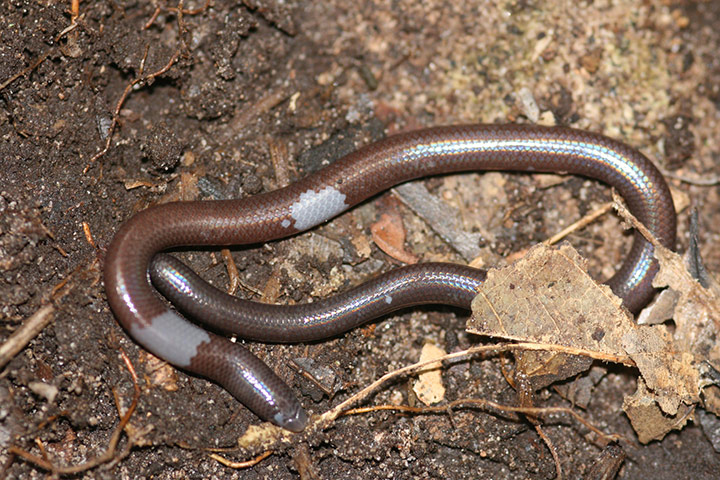
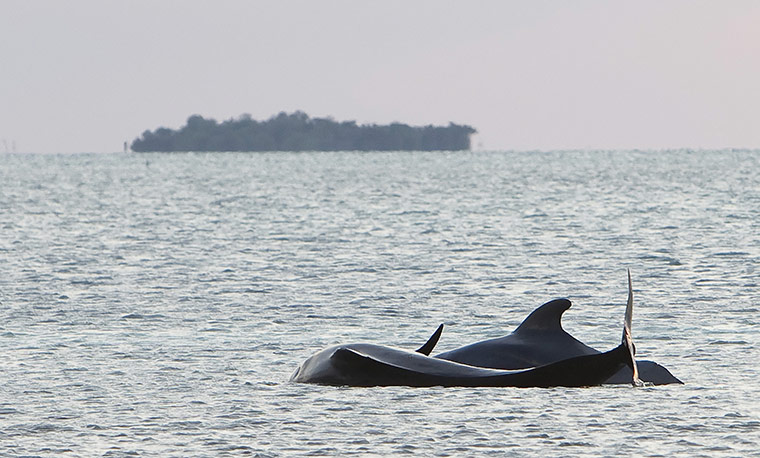
A fish jumps out of the Mississippi River, which hit record flood levels and forced local residents from their homesPhotograph: Sean Gardner/ReutersA ruff in Belarus. Female and non-breeding males have grey-brown upper parts and mainly white underparts. The ruff is a migratory species, breeding in wetlands in colder regions of northern Eurasia, and spends the northern winter in the tropics, mainly in AfricaPhotograph: Vasily Fedosenko/ReutersA pair of rhinoceros beetles crawl along a branch in a park in Singapore. The rhinoceros beetle is one of the biggest insects in south-east Asia, measuring up to 43mm. Only the male rhinoceros beetle has the distinctive horns, which it uses for fighting and impressing a femalePhotograph: Tan Shung Sin/ReutersIn the past, bear bile was taken from intact gall bladders collected from bears killed in the wild. In the late 1970s, a technology was developed to obtain bile from live bears, and 'bear farming’ began. Bear farms are currently legal in the Republic of Korea and certain provinces in mainland China; they commonly occur in Vietnam, Laos and Burma. According to a report issued on by wildlife trade monitoring network Traffic, at least 12,000 bears are living in dire conditions in Asia. The report emphasises also that Asian countries are failing to stem the illegal cross-border trade of bear bile amid high demand for folk remedies harvested from the live animalsPhotograph: M. Silverberg/TRAFFICWWF has released footage of rare Sumatran tiger cubs in the Bukit Tigapuluh region of Indonesia, an area threatened with forest clearance despite government promises of protectionPhotograph: PHKA/AFP/Getty ImagesA worker in the Bohemian Switzerland national park is pictured releasing young salmon into Kamenice River, near Jetrichovice village, in the northern Czech Republic. Salmon disappeared from the river after world war two as a result of massive industrial pollutionPhotograph: Michal Cizek/AFP/Getty ImagesA gannet lands on a cliff at the RSPB's Bempton Cliffs reserve on the east Yorkshire coast Photograph: Dan Kitwood/Getty ImagesElephants cross a river during their daily outing from the Pinnawela elephant orphanage in Sri Lanka. The centre cares for the world's largest captive group of elephants, who have been orphaned, rescued, injured or abusedPhotograph: William West/AFP/Getty ImagesOak processionary caterpillars nest on an oak tree in Zoetermeer, the Netherlands. The insects, which eventually transform into moths, produce bristles that break off and become airborne. The bristles can provoke severe irritations such as itchy rashes or conjunctivitis and even respiratory problems. The nests, which can contain many thousands of individual caterpillars, are being increasingly found in northern Europe as temperatures rise due to climate changePhotograph: Lex Van Lieshout/AFP/Getty ImagesHerpetologist Neang Thy thought he had found a common flowerpot snake when he turned over a log in the Cardamom mountains, Cambodia, and noticed a small worm-like creature trying to flee from the sudden light. 'At first I thought it was a common species,' said Thy, who works with the ministry of environment and Fauna & Flora International (FFI). “But looking closer I realised it was something I didn’t recognise.” The diminutive reptile - new to science - was revealed to be a peculiar type of lizard that is both blind and legless. It was finally named the Dalai mountain blind lizard Dibamus dalaiensis, after the mountain on which it was foundPhotograph: Jeremy Holden/FFITwo stranded pilot whales struggle in shallow waters near Cudjoe Key, Florida. Marine mammal rescuers responded last week to at least 15 pilot whales stranded in several different locations in the lower keysPhotograph: Mariela Care/AFP/Getty Images
Sign up to read this article
Read news from 100’s of titles, curated specifically for you.