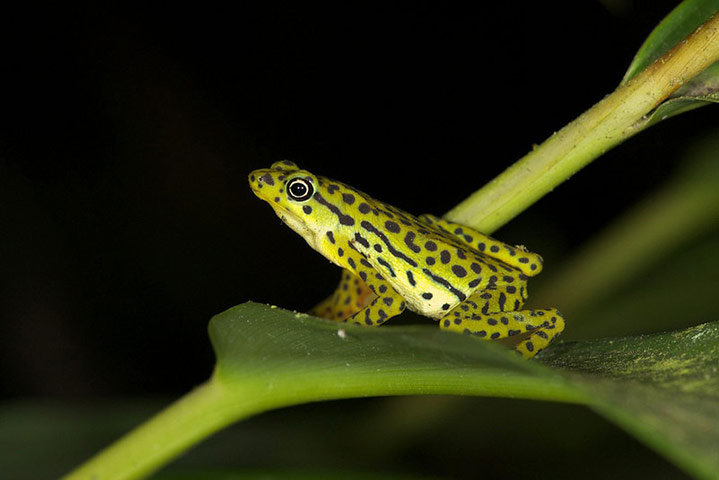
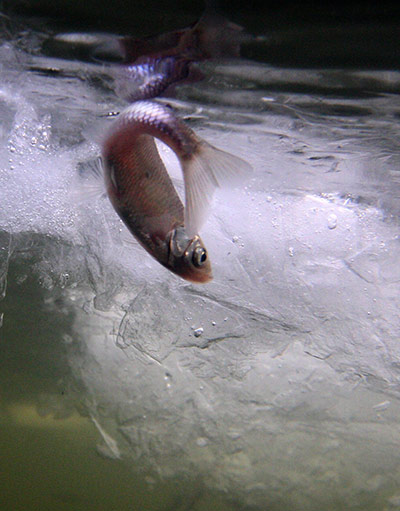
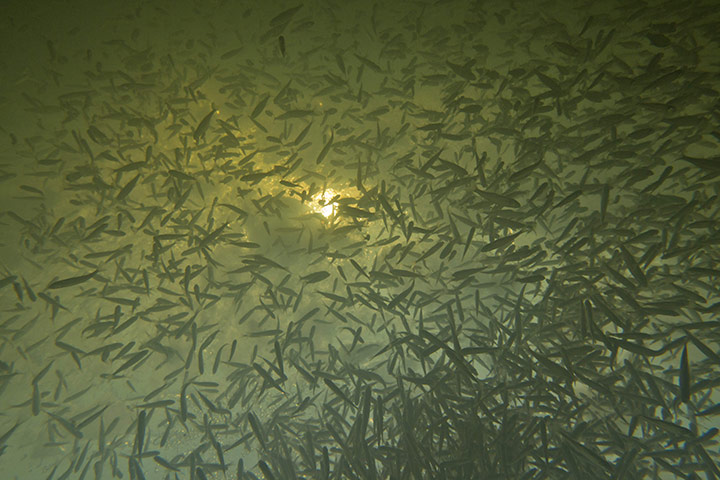
Rio pescado stubfoot toad (Atelopus balios). Rediscovered after 15 years in Ecuador by Eduardo Toral-Contreras and Elicio Tapia. Researchers feared that the lethal chytrid fungus had wiped out this species along with many other closely related species in Ecuador. This find is significant and very encouraging, offering an opportunity to protect this rare speciesPhotograph: Eduardo Toral-Contreras/Conservation InternationalA photo taken by an underwater camera shows a fish swimming under thin ice in a pond in a St Petersburg park, RussiaPhotograph: Kirill Kudryavtsev/AFP/Getty ImagesIn this underwater photo taken with a remote-controlled camera, fish cluster at an ice hole struggling for air in a pond in a park in St Petersburg, Russia. As the long Russian winter drags on, fish in the ponds of St Petersburg become increasingly desperate for oxygen, clustering in vast, thrashing masses at shrinking holes in the ice. Not only does ice block oxygen that could be diffused into the water from the air, but it also impedes sunlight from reaching oxygen-generating plants and algae in the waterPhotograph: Dmitry Lovetsky/AP
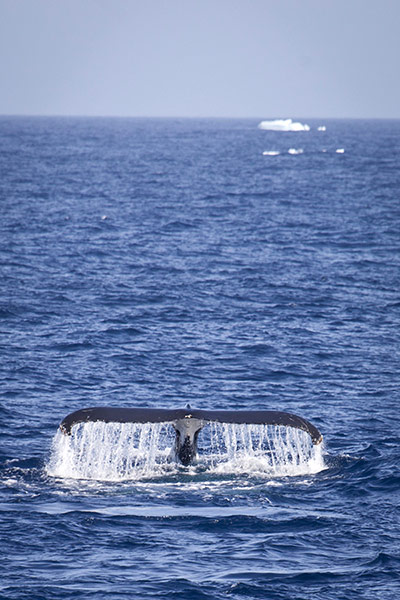
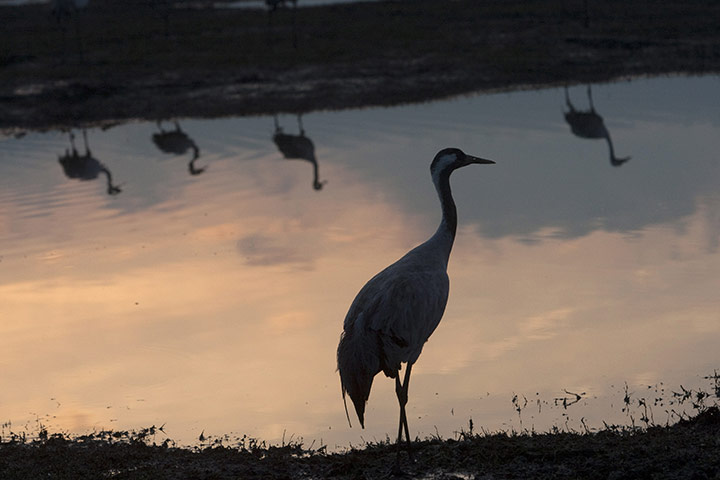
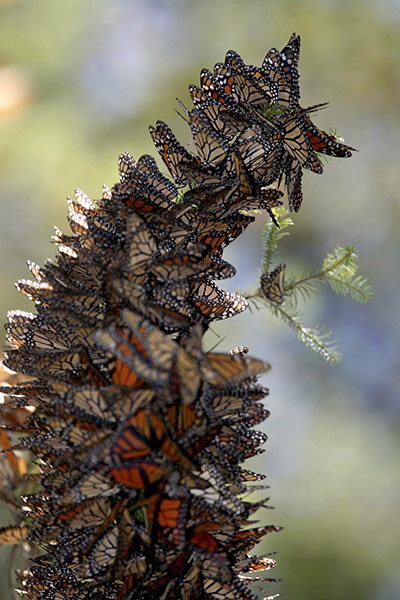
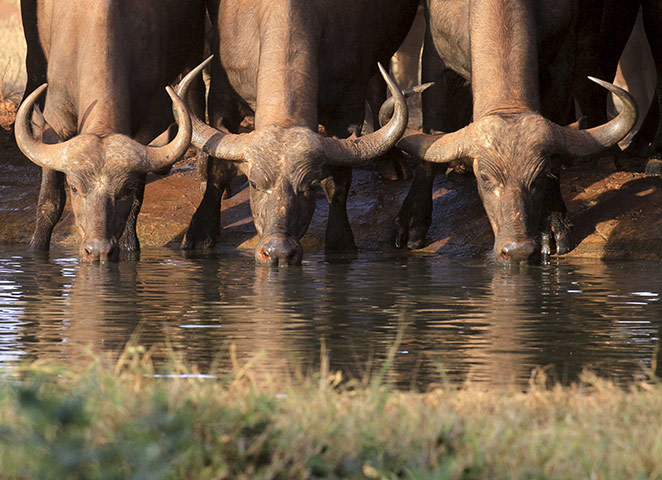
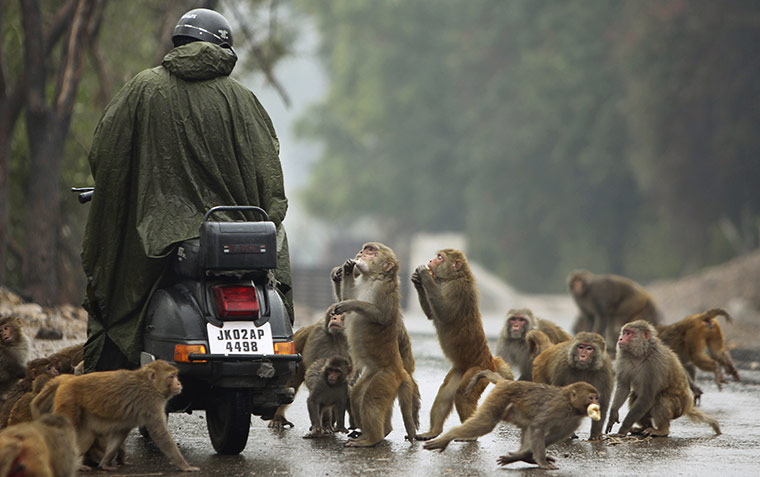
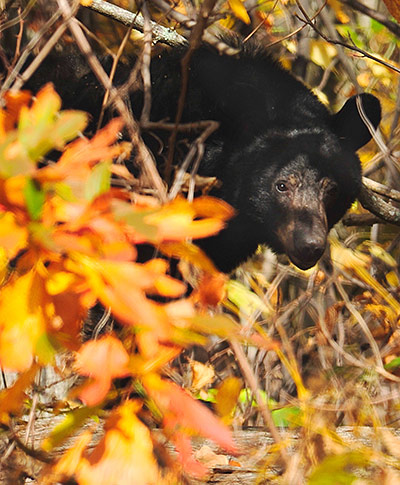
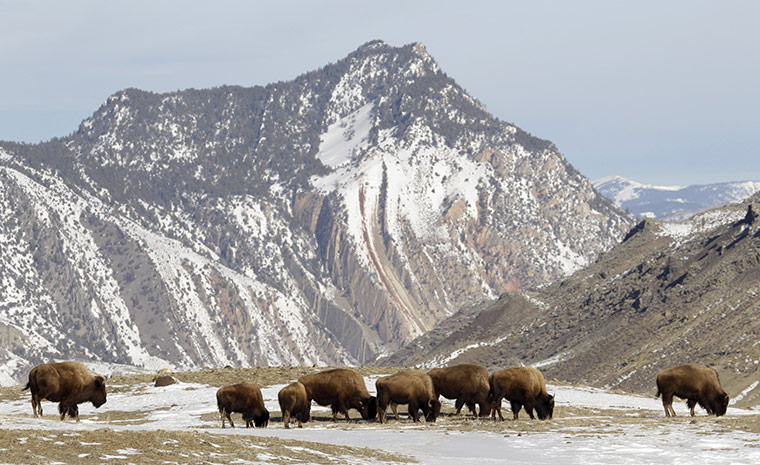
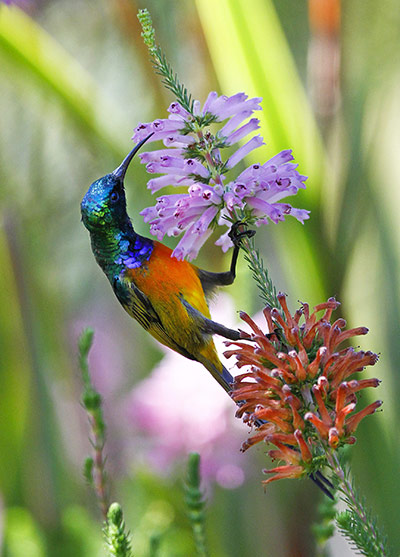
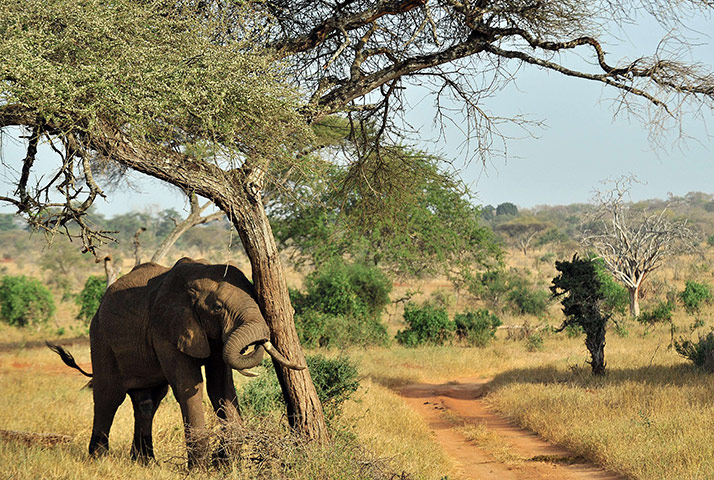
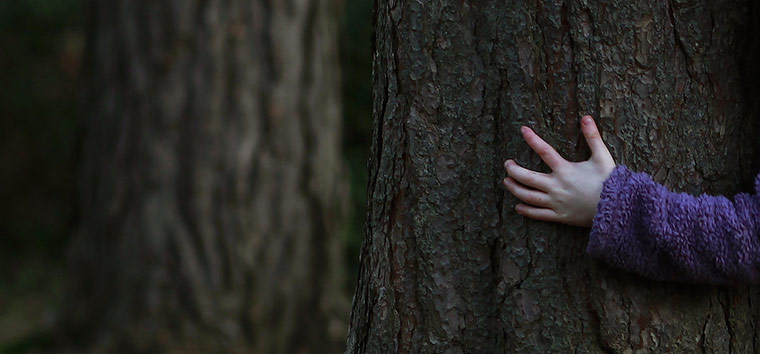
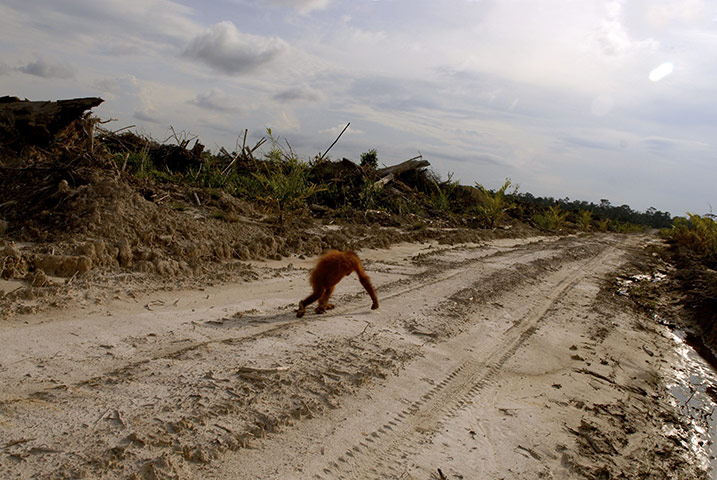
The black and white tail of the endangered humpback whale as the Sea Shepherd fleet encounters a pod of migrating humpbacks in the Southern Ocean. Japanese whalers have suspended their Antarctic hunt, citing harassment by environmentalists, and are considering ending their annual mission early, a fisheries agency official said Photograph: Barbara Veiga/AFP/Getty ImagesA capybara keeps warm under a warm shower of water during a cold, snowy day in Saitama children's zoo in Higashimatsuyama, near TokyoPhotograph: Koji Sasahara/APCranes at the Agamon Hula lake in northern Israel. More than half a billion birds of 400 species pass through the Jordan Valley to Africa and back to Europe when summer comes. About 30,000 Gray Cranes stayed this winter in the lake instead of migrating to Africa, taking advantage of the safety of this artificial water source. Local farmers feed the birds with corn to prevent them from destroying their agriculture fieldsPhotograph: Menahem Kahana/AFP/Getty ImagesMonarch butterflies line a branch of a bush in the Pedro Herrada butterfly sanctuary in the Mexican state of Michoacan. Monarch butterfly colonies in Mexico more than doubled in size this winter after bad storms devastated their numbers a year ago, conservationists say, although the migrating insect remains under threat. Millions of butterflies make a 2,000-mile journey each year from Canada to winter in central Mexico's warmer weather but the size of that migration can vary wildlyPhotograph: Stringer/ReutersBuffalo drink water at sunset in Kenya's Tsavo national parkPhotograph: Noor Khamis/ReutersA man on a scooter feeds monkeys on the outskirts of Jammu, IndiaPhotograph: Channi Anand/APA black bear pokes its nose through the brush in Virginia. Hibernating bears are loud snorers. They go many months without food, even sustaining pregnancies in their winter slumber. A sudden noise may rouse them, but only briefly. Scientists are studying how the bears' bodies work during hibernation in order to help doctors rescue people in trauma situations. 'Hibernating bears function pretty much like a closed system, all they need is air,' said Brian Barnes of the Institute of Arctic Biology at the University of Alaska FairbanksPhotograph: Karen Bleier/AFP/Getty ImagesBison graze just inside Yellowstone national park, US. District judge Charles Lovell in Helena, Montana, issued a ruling February in which he denied a request from wildlife advocates to stop the slaughter of potentially hundreds of wild bison from Yellowstone national park that had attempted to migrate into MontanaPhotograph: Ted S. Warren/APAn orange-breasted sunbird (Anthobaphes violacea) on a branch of an erica bush in a valley of the Table Mountain national park in Cape Town, South AfricaPhotograph: Nic Bothma/EPAAn elephant scratching against a tree in Tsavo west national park, 350km south-east of Nairobi. A slowdown in the increase of Kenya's elephant numbers is raising fears among conservationists that hard-fought gains in saving the animals may be reversed amid growing demand for ivoryPhotograph: Tony Karumba/AFP/Getty ImagesA red squirrel looking for food in the Rothiemurchus estate, Scotland. There are currently around 120,000 red squirrels left in Scotland, and only 20,000 in EnglandPhotograph: Danny Green/Rex FeaturesA young girl plays by a tree in Alice Holt forest, which would have been included in the government plans for consultation on different ownership. The government on Thursday scrapped its controversial plans to sell the bulk of England's publicly owned forests after intense public oppositionPhotograph: Eddie Keogh/ReutersA displaced orangutan walking on a road that is part of fresh clearing for palm oil plantation in Sampit district in Central Kalimantan in Borneo island. More than 1,000 captive orangutans set for release into the wild on Borneo island are being sent into a 'killing field' of illegal logging and poaching, Baktiantoro said. Indonesia has reserved 86,450 hectares of forest in Muara Wahau, East Kalimantan province, for the rehabilitation of 1,200 captive big apes over the next four years but warned that the endangered mammals were being sent to their deaths unless the government also managed to stop illegal logging and poaching, which is rampant in the regionPhotograph: Hardi Baktiantoro/Centre For Orangutan Protection/AFP/Getty Images
Sign up to read this article
Read news from 100’s of titles, curated specifically for you.