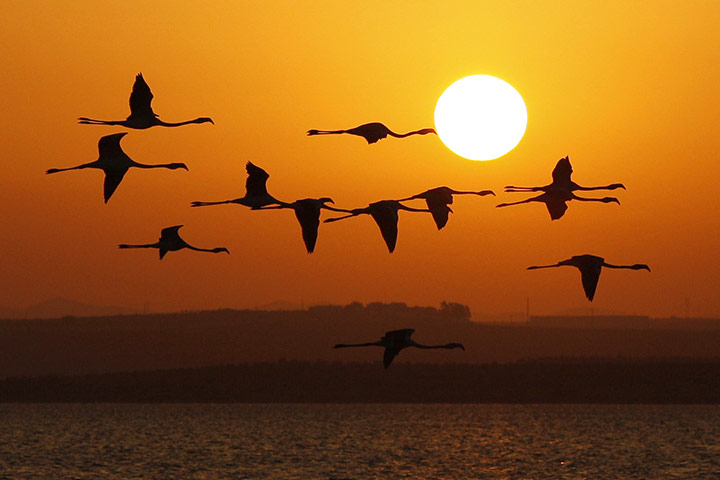
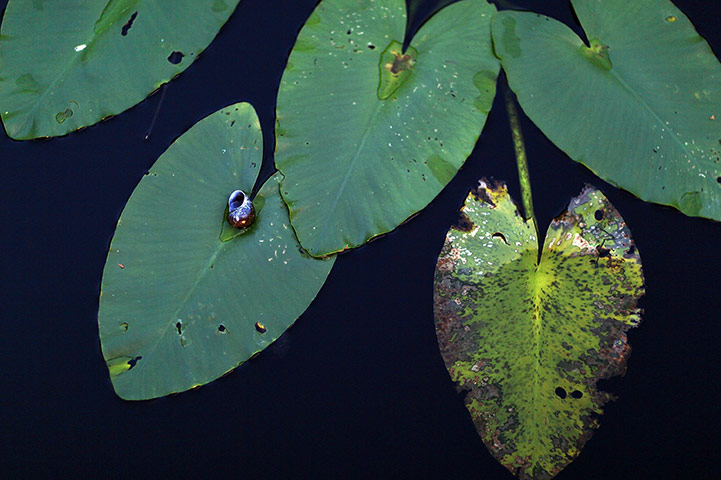
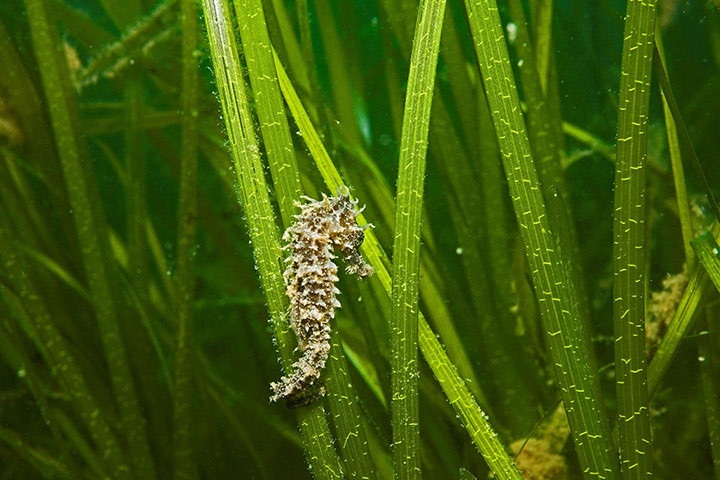
Flamingos fly during sunrise at the Fuente de Piedra natural reserve, near Malaga, in southern Spain. Around 600 flamingos are ringed and measured before being placed in the lagoon, one of the largest colonies of flamingos in Europe, according to authorities of the reservePhotograph: Jon Nazca/ReutersWater lilies float in a pond in the Florida Everglades after the South Florida Water Management District announced it may reduce the size of the deal struck earlier this year with US Sugar Corporation. The original proposal, announced in 2008, was to buy all the corporation's assets and use the land to replenish the everglades, letting water from Lake Okeechobee run its natural route. Because of state budget cutbacks the plan now is to buy 26,800 acres and retain a 10-year option to buy the rest of the landPhotograph: Joe Raedle/Getty ImagesA small spiny seahorse (Hippocampus guttulatus) in a seagrass bed (Zostera marina) is one of the many species that could be seen while diving using an interactive marine map launched by the Marine Conservation Zones Project. The online map is gathering data about where and how people use the sea, and what marine wildlife and habitats have been seen. The data will contribute to ongoing plans for a healthy marine environment and can be accessed at www.mczmapping.orgPhotograph: Lin Baldock/Natural England/PA
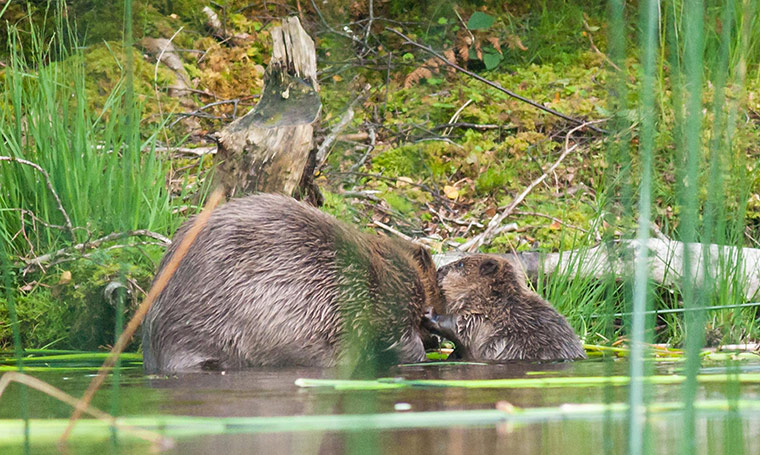
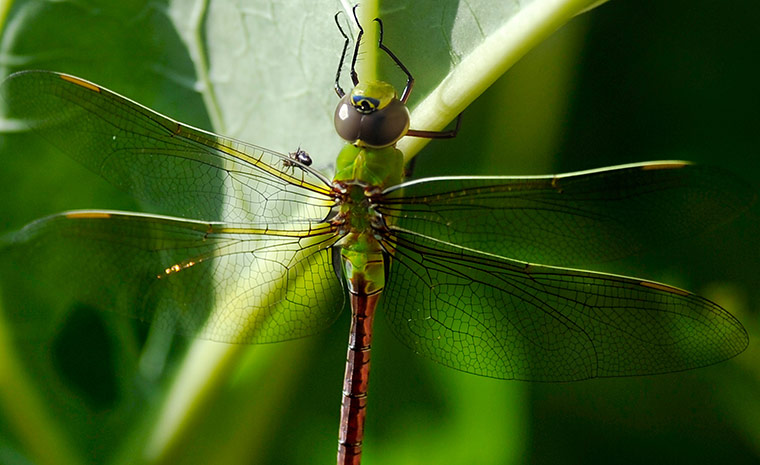
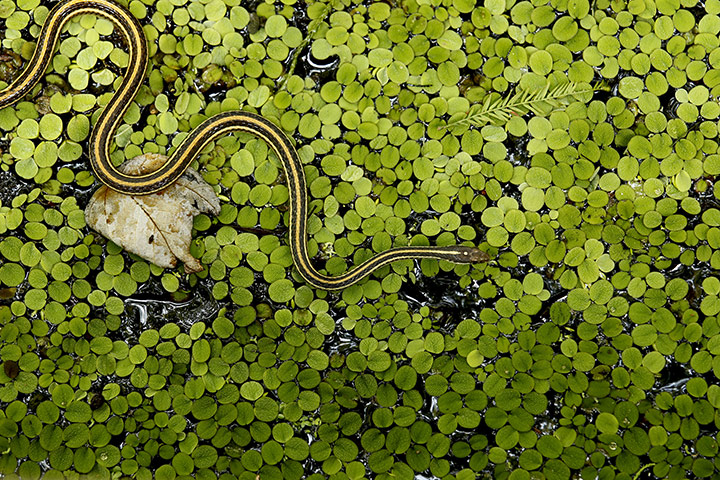
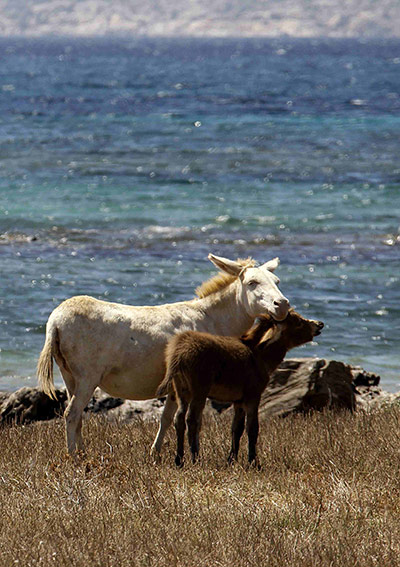
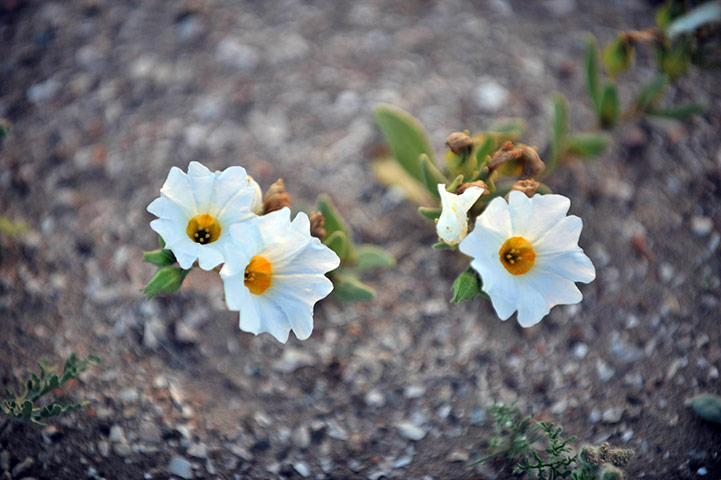
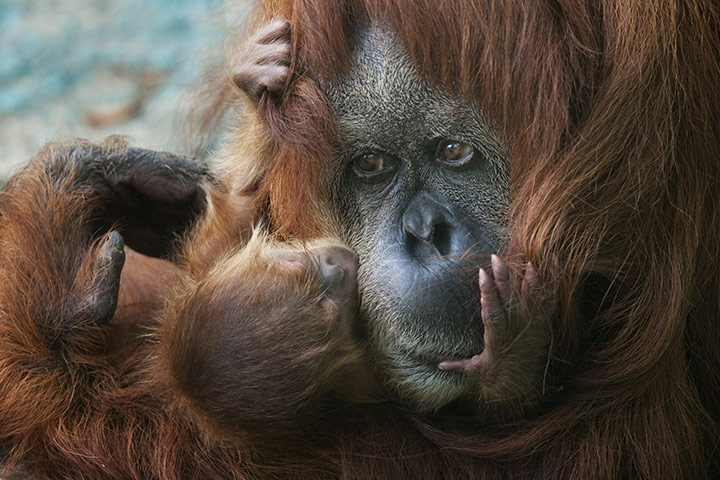
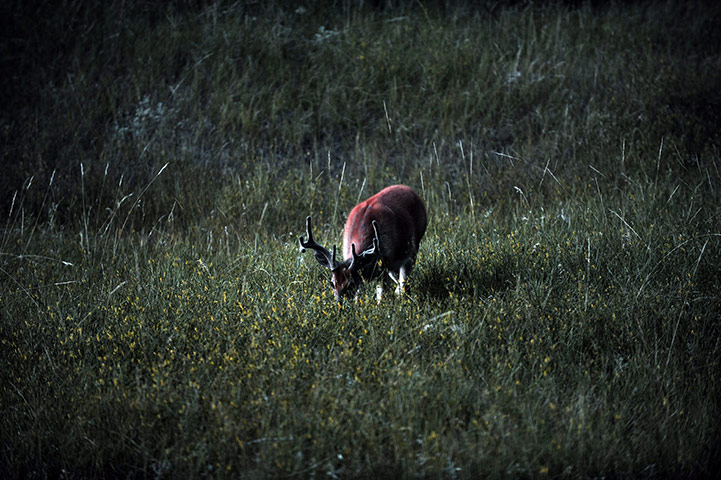
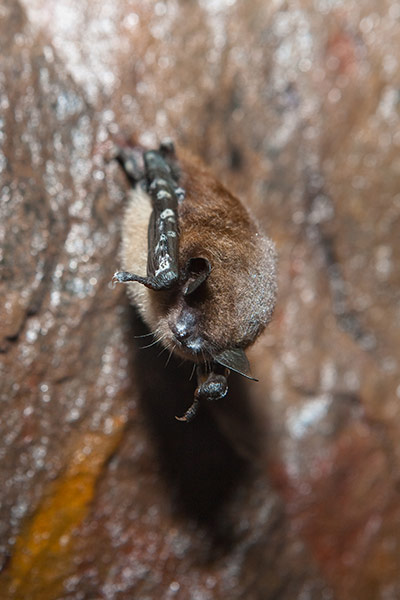
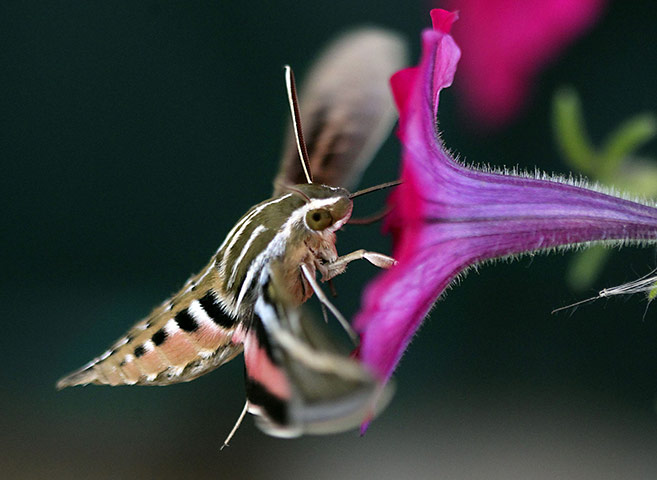
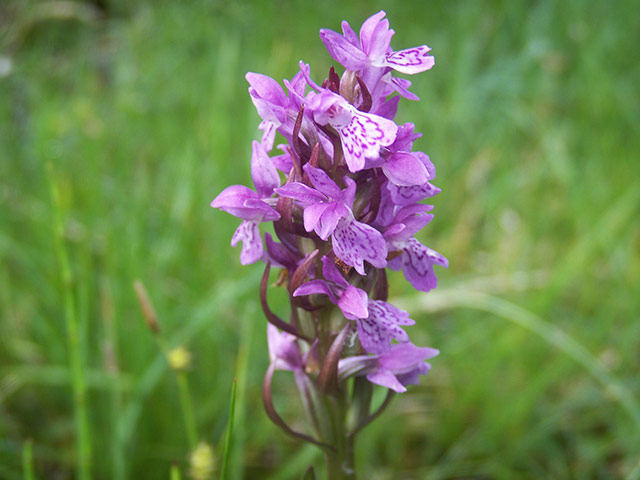
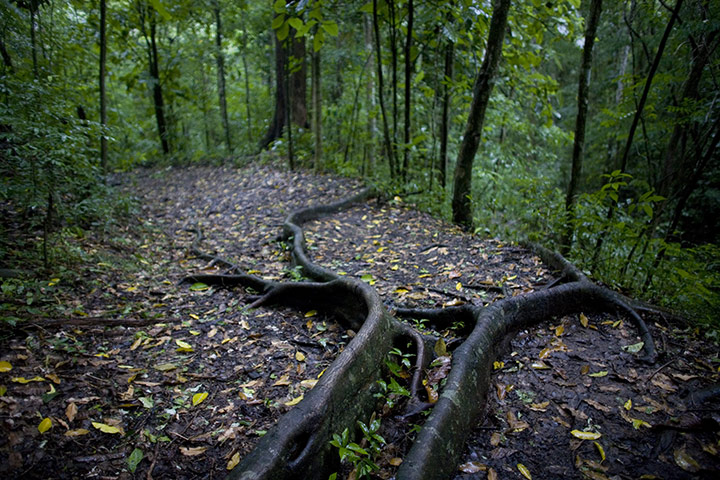
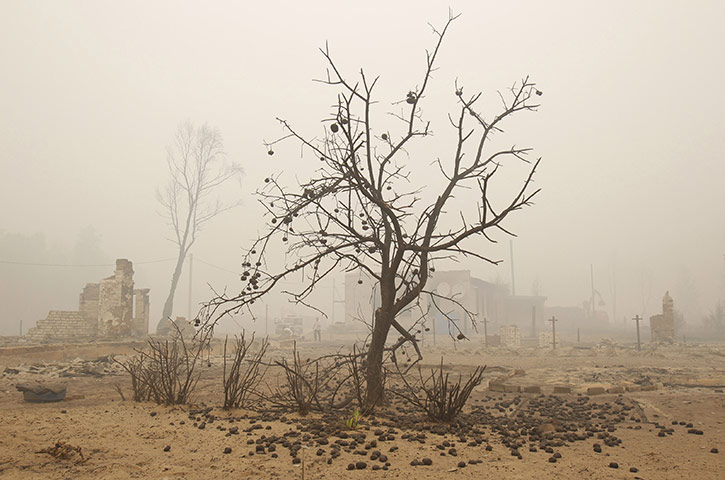
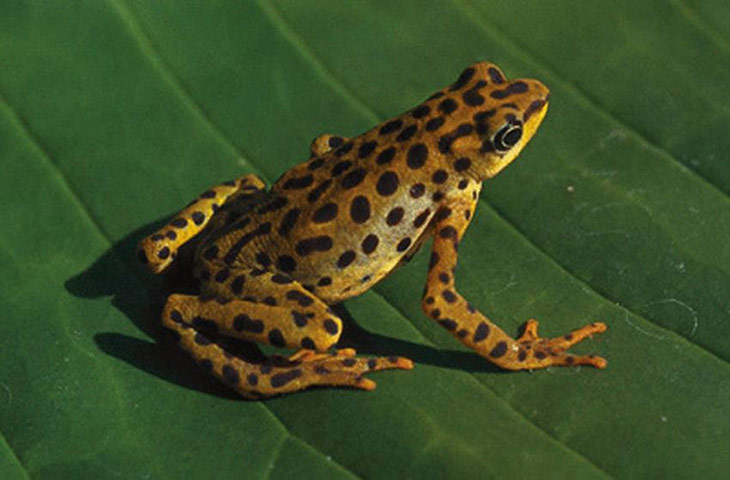
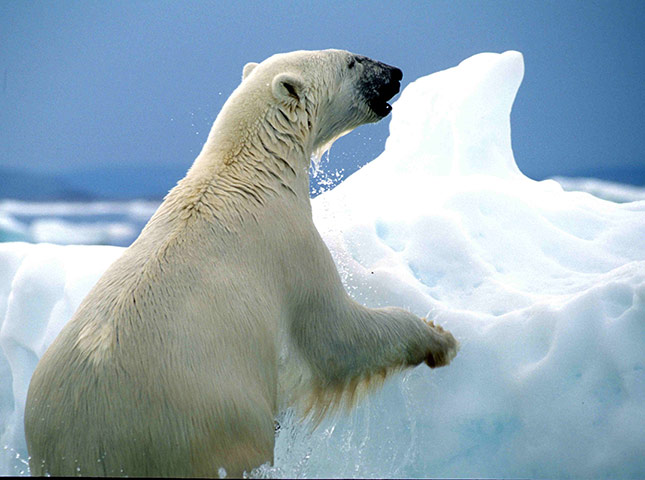
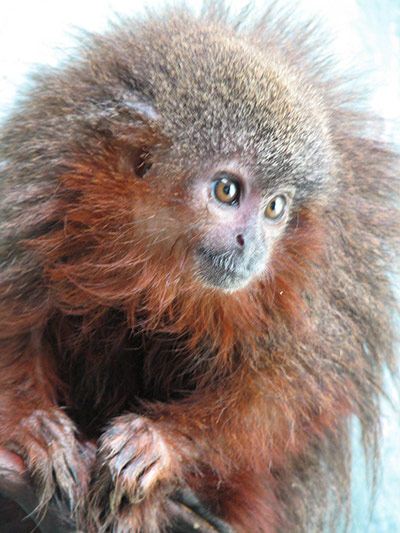
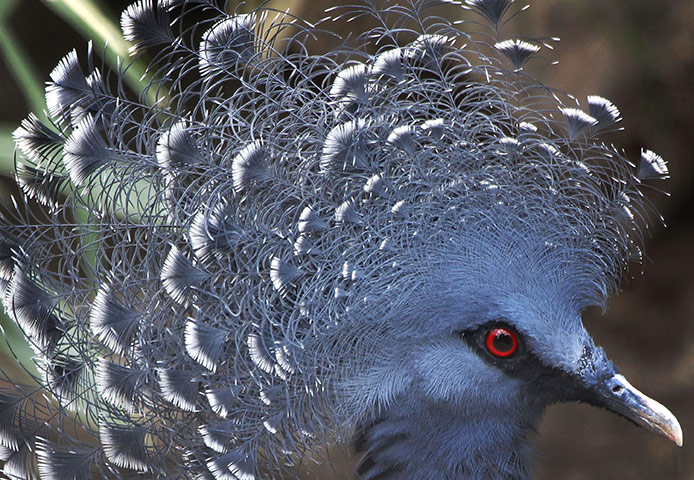
A beaver kit with an adult. The first beavers to be born in the wild as part of the Scottish Beaver Trial have now been spotted in Knapdale Forest, Mid-ArgyllPhotograph: Steve Gardner/Scottish Wildlife Trust/PAA Common Green Darner dragonfly rests on a rhubarb leaf in Racine, Wisconsin, United StatesPhotograph: Scott Anderson/APA ribbon snake on the floating fern salvinia in a cypress swamp adjacent to marsh that stretches to the Gulf of Mexico in Barataria Preserve, part of Jean Lafitte National Park and Reserve outside Lafitte, Louisiana. This bay that was the scene of the first startling images of oil-caked birds after the Deepwater Horizon spill already has shoots of marsh grass and mangroves growing backPhotograph: Gerald Herbert/APA white donkey in the national park of Asinara island, northwest of Sardinia. It is an albino variant of the more common Sardinian donkeyPhotograph: Alessandro Bianchi/ReutersFlowers in bloom in the Atacama desert in Copiapo, Chile, 800km north of Santiago. In years of very heavy seasonal rains a natural phenomenon known as the Desert in Bloom occurs, enabling the seeds of some 200 desert plants to germinate suddenly two months after the precipitationsPhotograph: Martin Bernetti/AFP/Getty ImagesRochale, a 41-year-old Sumatran Orangutan, holds her newborn baby at the Ramat Gan Safari park near Tel Aviv, Israel. Hunting appears to have been significantly underestimated as a key reason for the historical decline of orangutans, according to a new studyPhotograph: Menahem Kahana/AFP/Getty ImagesA white tail deer grazes among flowers at Devil's Tower National Monument in northeastern Wyoming, USPhotograph: Mike Nelson/EPAA little brown myotis bat (Myotis Iucifugus) infected with white-nose syndrome at Graphite Mine, New York. One of the most common bat species could face extinction in the northeastern US within decades due to white-nose syndrome, a disease now rapidly spreading. Characteristic white fungal growth is visible on the forearm and nose areasPhotograph: Ryan von Linden/APA Striped Hawk-moth hovers as it feeds on a flower in eastern Cheyenne, Wyoming, USPhotograph: Michael Smith/APA narrow-leaved marsh orchid, Dactylorhiza traunsteineri. A study led by scientists from the Royal Botanic Gardens, Kew's Jodrell Laboratory, has revealed that some plants may be able to adapt more quickly to environmental change than previously thoughtPhotograph: Dr Ovidiu Paun/Kew GardenRoots of a tree in the Guatopo national park, about 80km southwest of Caracas, VenezuelaPhotograph: Ariana Cubillos/APA burnt tree in heavy smog which shrouded the village of Laskovo in the Ryazan region of Russia. Forest and peat fires have been caused by the highest temperatures ever registered in the countryPhotograph: Denis Sinyakov/ReutersRio Pescado stubfoot toad, Atelopus balios, last seen in 1995 in Ecuador. It is one of the top 10 lost amphibians which Conservation International this week launched a search for. The search comes as global amphibian populations are suffering a shocking declinePhotograph: Conservation International/PAPolar bears in Svalbard and eastern Greenland are most at risk from the effects of pollutants carried north from industrialised countriesPhotograph: USGSCallicebus caquetensis, a new species discovered in the Amazon region of Colombia Photograph: Javier Garcia/Conservation International/EPAA Victoria crowned pigeon at the Yokohama zoological gardens, JapanPhotograph: Itsuo Inouye/AP
Sign up to read this article
Read news from 100’s of titles, curated specifically for you.