A better future awaits in the land of the free. In The Thai Interpreter, Noot, a young girl played by Heen Sasithorn, takes a chance only to find herself trapped in a nightmare. Following a police raid, she struggles to make her voice heard until Ladawan, the film's lead character played by Skulgan Phiphobmongkol, steps in.
"I will interpret everything for you so you can understand everyone and everyone can understand you," Ladawan says.
This is part of a movie trailer that gives a snapshot of an interpreter's role in bridging the communication gap in critical moments. Produced by The Unbound Voices, The Thai Interpreter follows Ladawan's journey navigating personal and professional challenges.

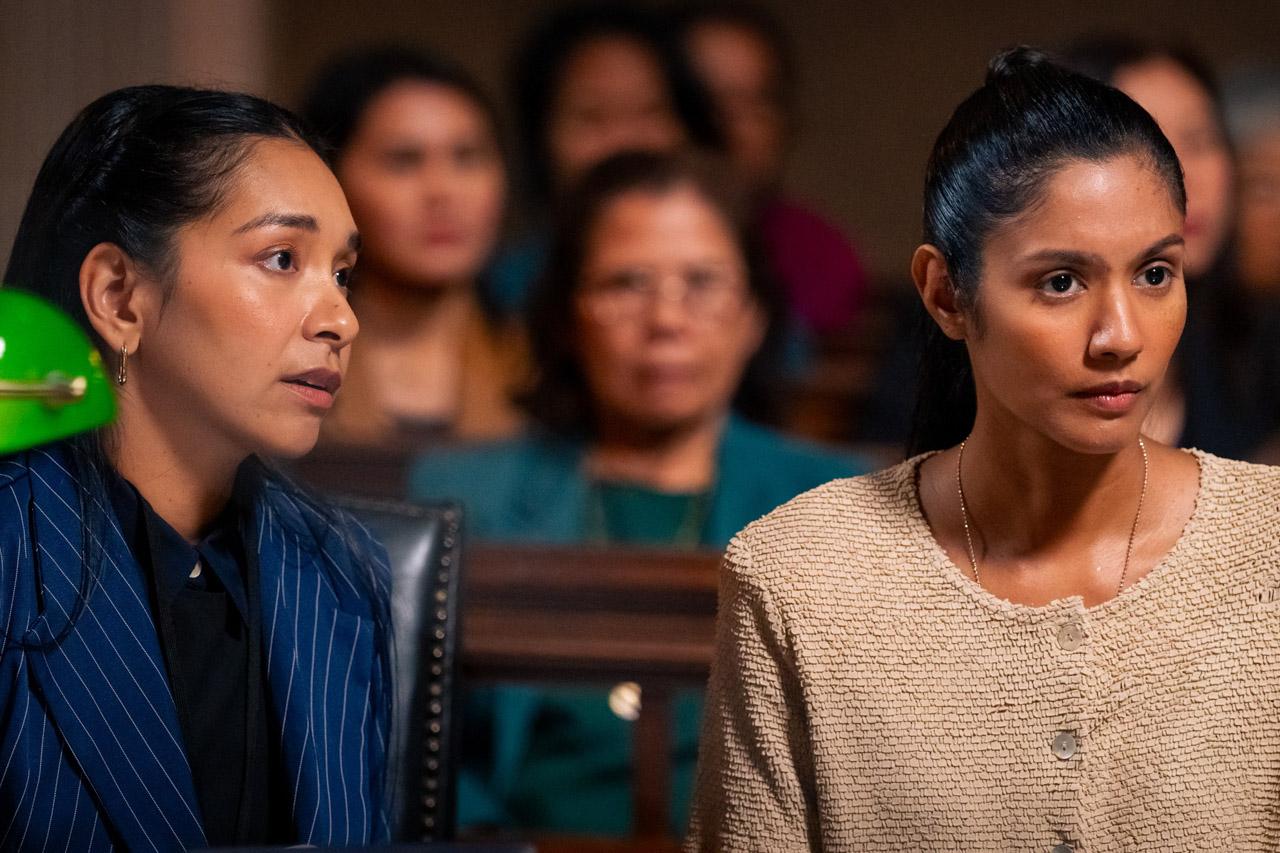
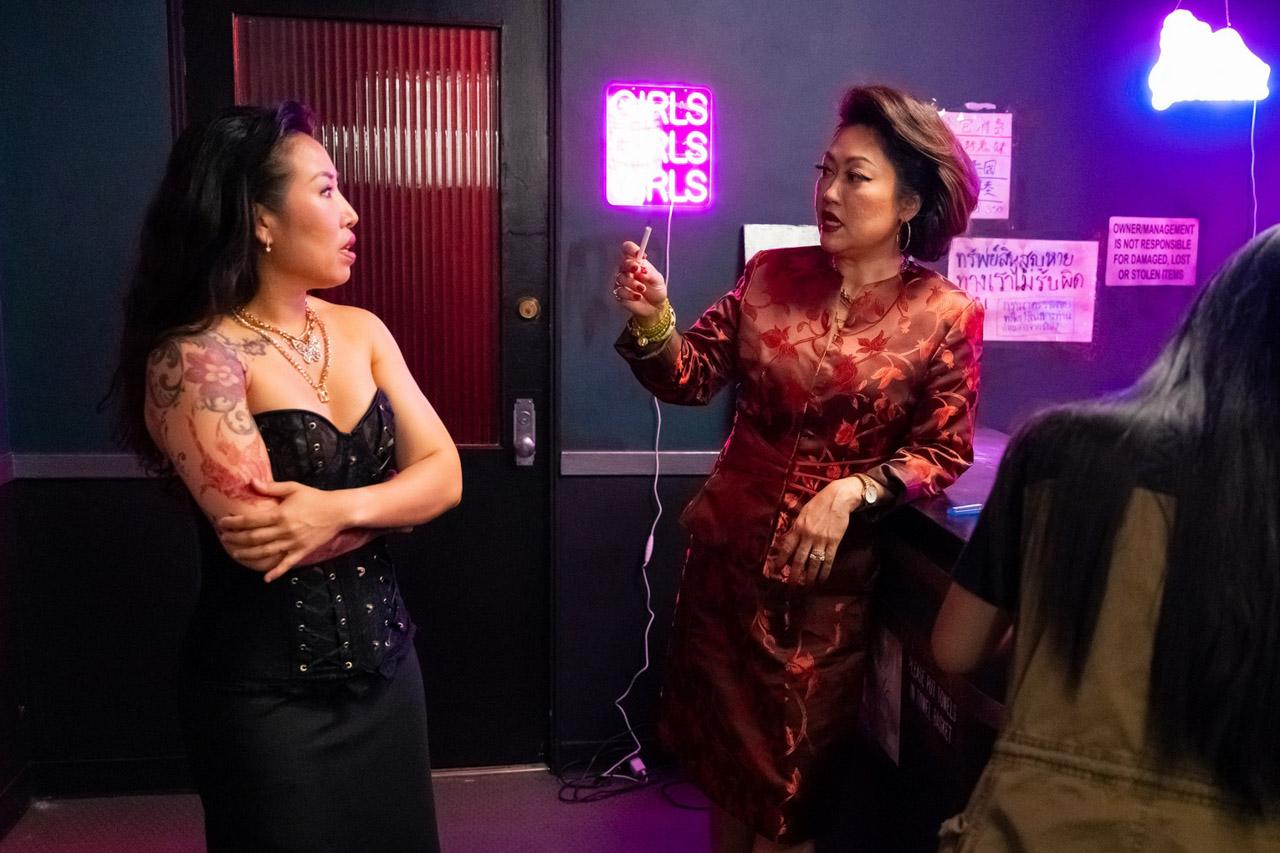
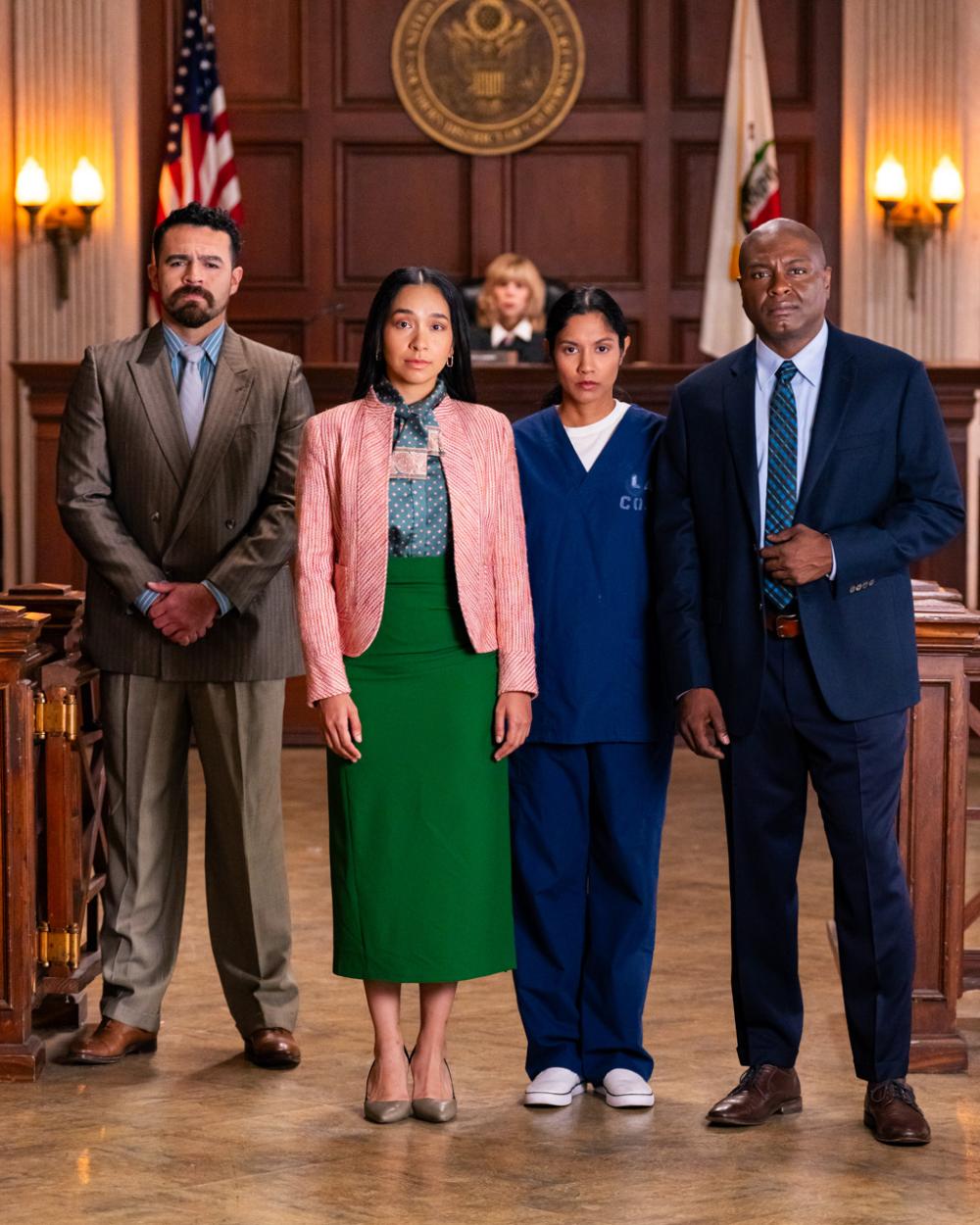
Her interpreter job connects four Thais in Los Angeles, California, who are either caught on criminal charges or confronted with impending death.
The Thai Interpreter is inspired by the life of Benjawan Poomsan, who has more than three decades of experience in interpretation. She co-founded The Unbound Voices and wrote the script for the film studio's debut, which will hit local cinemas on Aug 12.
"Most Thais [at home] paint a rosy picture of immigrants in America. In fact, over half of them experience hardship. Some are also deceived into working overseas," she said at the launch of her biography and film earlier this month.
Currently, hundreds of thousands of Thais reside in the US. Still, a number of them struggle with English, especially blue-collar workers, first-generation immigrants and new wives.
Failure to communicate effectively in formal settings deprives them of autonomy, rights and dignity. It therefore highlights the need for professional interpreters, like Benjawan, who make their voice heard in challenging times, such as facing false accusations and making medical decisions.
"It all began with translating letters for women and their foreign lovers," she said in an interview with Life.
Benjawan spent seven years of her childhood in Bangkok until her family returned to their hometown in Yasothon in the Northeast in 1974 ensuring her mastery of Thai and Lao.
At school, she was not good at science and math and was not yet aware of her language gift. Educational opportunities were limited because the province had just split off from Ubon Ratchathani. However, she enjoyed learning English inside and outside the classroom. She practised with her father, read books and watched films.

Benjawan chose a foreign language track and passed exams with flying colours. While she was going to school, a number of women were looking for better opportunities in Pattaya. By that time, the US had set up its base in Thailand to oppose the spread of communism in Asia.
During the Vietnam War, the coastal town of Pattaya gained a reputation as an R&R destination. After American troops withdrew, women returned to their hometown and received love letters they could not read.
"At 16, I got 100 baht for translating and writing back. I could make a lot of money. It inspired me to study language," she said.
In Grade 11, Benjawan won an AFS scholarship to the US, but her father did not let her join the programme on the grounds that it would completely westernise her and place a heavy financial burden on the family.
A year later, she got the same scholarship to Japan. Her father let her go for its cultural proximity to Thailand and affordability. It was the first time the 17-year-old girl had gone abroad. In hindsight, exposure to a multicultural environment laid the foundation for her future career.
"I didn't know anything about Japan. However, I could speak basic Japanese in three months and became fluent by the end of the year thanks to support from my host family and school," she said.
Upon return to Thailand, she got a scholarship to Khon Kaen University. After graduating in 1990 with a bachelor's degree in English, she pursued a master's degree in sociology on a Monbukagakusho (MEXT) scholarship in 1994. While in Japan, she gained her first interpreting experience. She was assigned to interpret for Thais who entered Japan illegally. Besides, she taught Thai to the Japanese.
A turning point came when Benjawan planned to study PhD. She passed a written exam for a Fulbright scholarship, but withdrew from the interview to start a family in the US.
She started to teach Thai to Americans and compiled lessons into what became a best-selling trilogy comprising Thai For Beginners (1995), Thai For Intermediate Learners (1998) and Thai For Advanced Readers (2000). She went on to open a language service centre.
In 1995, Benjawan received a green card and started her career in court interpretation. Under the California Court Interpreters Act, professionals are required to take a certification exam.
Interpretation services are provided to overcome language barriers in accordance with the US Civil Rights Act. She passed the test and therefore became the first Thai qualified for the job. Since then, she has been an interpreter in Thai and Lao for the Judicial Council of California.
"I remember sitting in silence to observe how things proceeded during my first interpretation in a DUI case. I laugh at myself to this day," she said.
It comes as no surprise that she has interpreted for many Thais in California, known as the "78th province of Thailand", in a wide range of court cases from rape and serial murder to drug trafficking. She has also facilitated communication between patients and doctors in life-and-death situations. Court and hospital interpretation forced her to acquire more knowledge of law and medicine.
For three decades, Benjawan has interpreted in over 3,000 court cases across the US. She insists that interpreters discharge their duties professionally.
"It is imperative to maintain professional integrity. Interpreters must convey with accuracy and neutrality while exercising discretion to simplify where needed," she said.
Yet, Benjawan realises that her work could change the lives of those who could not express themselves in front of the law, whether witnesses, suspects or defendants. Her role in a high-profile case of money laundering and human trafficking proves that interpretation not only bridges and heals rifts, but also saves hundreds of Thai women from crimes they did not commit.
Benjawan ventured out of courtrooms and hospitals into the corridors of power when she became an interpreter in Lao and Thai for the US Department of State in 2016, and later for other government agencies.
She was the voice and ears of US leaders, for example, Barack Obama (2016), Joe Biden (2022) and Donald Trump (2025), as they addressed foreign counterparts during regional summits in Southeast Asia.
"The American Dream is true for those who have the will. Everybody can make it, including newcomers, if they have their feet on the ground and aren't easily carried away. For me, it is more than a dream. If I had not gone to America, I wouldn't have come this far," she said of her personal belief.
Benjawan is not the only person who worked hard to achieve success. In History Of Asian Americans: Exploring Diverse Roots, Jonathan H.X. Lee, professor at San Francisco State University, explains that starting during the Vietnam War, Thai migration to the US was motivated by the pursuit of opportunities.
It was also enabled by legal support, including the Immigration and Nationality Act of 1965 and the American Homecoming Act of 1987.
Wave after wave of Thais entered the US. Between the 1980s and 1990s, around 100,000 Thais migrated to the land of the free to escape economic hardship at home. Many had a rough start, but persevered until they rose through the ranks.
For those who entered or stayed illegally, they were allowed to change their status until immigration control came into force in 1984. Marriage migration still remains open.
However, Benjawan warns that they should not fall into this trap. Due to cultural differences, when they break up and have to settle matters legally, those who could not communicate in English are put in a disadvantaged position.
Meanwhile, those who seek employment opportunities overseas should carefully look into arrangements to avoid debt bondage. Human trafficking still persists even in developed countries.
Benjawan turns blood, sweat and tears into a cinematic experience to emphasise that living abroad is not always a bed of roses. Immigrants struggle and have to fight for survival, especially when they face language barriers in court or hospital.
"Be prepared. Learn English as much as possible. Keep in touch with someone you know and memorise their phone numbers. But if you can't find any friends, just keep my contact," she said.
The Thai Interpreter is scheduled for release on Aug 12.