The trouble with Diarra Brickland is she can’t let things go.
“Diarra From Detroit” presents this as the schoolteacher-turned-detective’s greatest asset and her biggest flaw. If it weren’t for her stubborn insistence on finding out why a great guy, Chris (Shannon Wallace), ghosted her after an incredible first date, she might be happier. Then again, nobody would have noticed that Chris had been kidnapped.
But Diarra’s tendency to fixate on small details and slights eventually cracked the case. They also brought to light a broader conspiracy, starting with the twist that this wasn’t Chris’ first kidnapping.
As Season 2 begins, Chris and Diarra have settled into coupledom, which is precisely what Diarra thought she wanted, but nothing like she pictured it would be. Chris is a mess. Diarra would love to dump him, but her nearest and dearest friends Aja (DomiNque Perry) and Tea (Bryan Terrell Clark) warn her that would damage her reputation. The single bright spot and mixed blessing to come out of all this is that her neighbors see Diarra as the go-to person for fixing lost causes and finding lost people. Hence her latest caper, which begins with a mission to track down a vintage desk and turns on a dime into a heist tied to a cache of gold.
But wait, as our hard-boiled citizen investigator is fond of saying. I should go back. You see, these latest episodes of “Diarra From Detroit,” created by its star, Diarra Kilpatrick, have been cooking for more than two years. Three, if you count the series’ debut at the 2023 Tribeca Festival before its 2024 premiere on BET+. From there, it sat in limbo until Paramount renewed it in 2025.
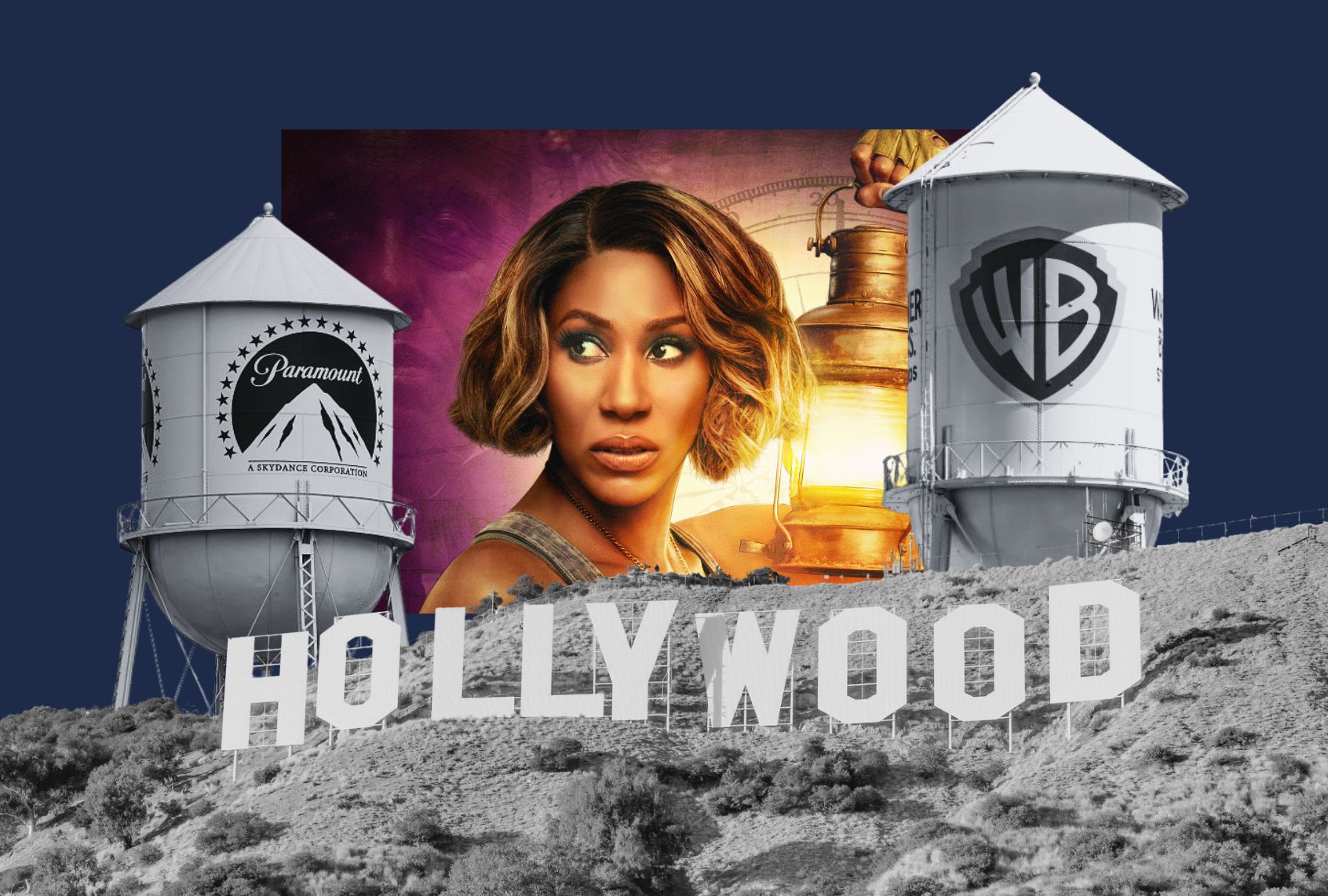
But limbo is better than canceled, which is more likely to happen if the proposed merger between Paramount Skydance and Warner Bros. Discovery goes through.
Like Diarra and Chris’ relationship status, the case of Paramount’s proposed marriage to Warner Bros. is complicated. Hollywood all but accepted that the merger was a done deal until mid-July, when a dozen state attorneys general and along with the Writers Guild of America West and East filed a lawsuit to stop the merger and California U.S. District Judge Araceli Martínez-Olguín issued a restraining order to temporarily halt the proceedings. (Salon’s unionized employees are represented by the WGA East.)
On July 24, Paramount’s legal team agreed to postpone the merger pending the outcome of the states’ antitrust case. That could potentially delay the transaction for more than a year, since the opposing sides can’t agree on when they want the trial to begin. The states would prefer a 2027 start while Paramount wants to kick it off this fall. If the AGs win, Paramount’s inevitable appeal could keep the $110 billion deal backburnered well into late 2027.
The states argue that this merger would leave consumers paying more for less diverse news and entertainment options if finalized.
What this means is that as tough as it already was for a TV series created by a Black woman to be picked up by a major platform, it could be nearly impossible in a universe in which Paramount has swallowed HBO, CNN and other prime Warner Bros. channels. Even in a scenario where BET+ still existed — it officially shut down on July 22 — making original stories like “Diarra” requires resources and a level of corporate will that a megacorporation’s smaller brands don’t tend to be afforded. In a contracted media landscape with fewer places to pitch, its odds of landing in front of audiences on a major platform decline even further. And they weren’t all that high to begin with.
Meanwhile, Paramount is urging us to pay no attention to the Ellisons behind the curtain. “This merger is lawful, pro-competitive, and will benefit consumers, creators, workers, and the entertainment industry,” a Paramount spokesperson said in a statement.
Many maintain the opposite is true, especially with regard to inclusive content. Included in that crowd are scholars working with the University of California San Diego’s Media and Consolidation Research Organization (MACRO) Lab.
“All four categories of diversity—ownership, representation, viewpoint, and outlet—are threatened by this merger, reducing the forms of diversity the public depends upon in cinemas, over the airwaves, and across online platforms,” they warn in a recently published paper. Previous findings by the University of Southern California’s Annenberg Inclusion Initiative back this conclusion.
Our Summer sale is on!
Support Salon’s bold journalism. Annual members save 58%Among those paying attention to The Mystery of the Media Merger, the survival of TV’s Diarra Bricklands is not the top concern. All eyes are on CNN, as Sharon Waxman, the founder and editor-in-chief of The Wrap, explained in a recent New York Times column.
If what’s happening to CBS News under editor-in-chief Bari Weiss is a sign of things to come, that’s another assault on our already besieged democracy. A greater one, even, since CNN is a global news brand.
Consider that only days ago, “60 Minutes” announced that former New York Times Opinion columnist Ross Douthat is joining its ranks. Douthat, if you’ve forgotten, is the guy who proposed in a 2018 column that the solution to placating incel violence may be between the legs of hypothetical charitable women who feel sorry for them. Or sexbots.
Corporate media traded insightful journalism for ragebait like this years ago, which is what makes figures like Diarra Brickland and her creator ever more valuable. They’re Black women excelling in roles not often associated with (or awarded to) people of color.
And to specifically bring it back to Douthat’s dubious query, Diarra — either of them — is precisely the kind of woman who puts the lie to fantasies about female submissiveness. Season 2 starts with her realizing she’s probably better off free of her mystery prize.
But for now, Chris and Diarra are in counseling. Part of their unofficial relationship homework involves field missions that spark heated conversations about masculine insecurity and Diarra’s conflicted desires about motherhood.
One topic she’s absolutely clear about, however, is being in control of every aspect of her life — including but not limited to Chris’ access to the part of her body she describes as “the Cadillac of the human anatomy: Gorgeous interior, impeccable design, not to mention the portal for all of humanity.”
Want more from culture than just the latest trend? The Swell highlights art made to last.
Sign up here
Writing like this ensures that “Diarra From Detroit” remains nimble from start to finish of each episode. That alone isn’t why this show and others like it need to be championed and protected. Television history is littered with the bodies of terrific shows denied more than a few seasons, or even a full order of one.
Citizen detectives like Diarra Brickland, who arranges her messy life around ensuring that the people and prizes typically overlooked or quietly erased by the mainstream keep being seen, are even less common. The continued existence of shows like “Diarra From Detroit” — shows by female, non-white creators about a place and people rarely depicted in the fullness of their humanity on television — is a miracle under normal circumstances. With that in mind, both the show and the merger are cases worth tracking right now and in the months to come, as if the quality of our lives depends on it.
New episodes of “Diarra From Detroit” stream Wednesdays through Sept. 9 on Paramount +.