You know the conversation. The clocks have just gone back and it’s dark at 4.30. The weather forecast is for endless thick cloud and incessant rain, you’ve switched the central heating to all day and it’s so bloody grey and gloomy:
“What about getting some winter sun?”
“Yeah, but where?”
“Anywhere it’s hot.”
“But I don’t want to spend a week getting over the jetlag when I arrive, and another week recovering when we get back.”
“I also want it to be somewhere with fabulous local wines and good food.”
“Well I don’t want to just sit on a beach. I want somewhere rich in culture and history.”
“There’s nowhere that’s going to do all that.”
Well sorry, wrong. If those are the boxes that need to be ticked then ChatGPT is going to take a nanosecond to say Cape Town.
When we got the invitation to Jamie and Alice’s wedding in a place called Franschhoek, I thought they were having a laugh, particularly when they live in Battersea, just a dozen or so stops from us south on the Northern Line. I was even prepared to cross the Thames to get to South London.
But no. Rather than travelling six miles, they were asking us to travel 6,000. Talk about an effort and a faff. But they have lived and made friends all over the world, and so people were flying in from everywhere. As you might be able to discern, I was feeling a bit grumpy about it beforehand, but a few days in Cape Town and on the Garden Route to Franschhoek have just left me purring about what South Africa has to offer.
Read more: No crowds and comfort throughout – experiencing Africa’s wildest coast
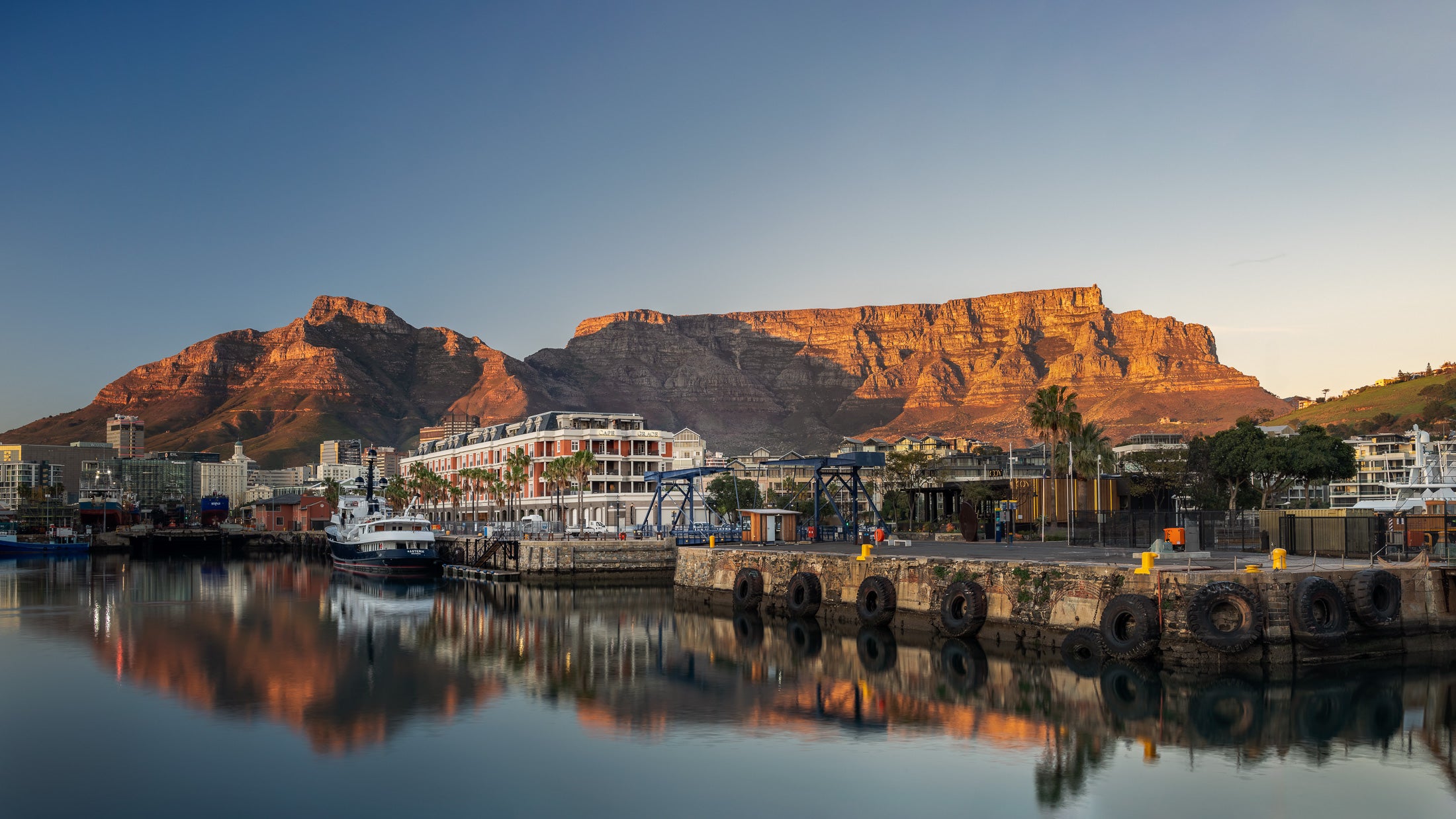
We stayed at the Cape Grace hotel right down by the buzzing waterfront, with an endless array of shops, bars and restaurants. The last time I was in Cape Town was during the World Cup in 2010. And since then, it has expanded massively.
Then it felt as though there was just one line of restaurants on the Victoria and Alfred dock. (And, yes it really is called the Victoria and Alfred – he was the fourth child of Queen Vic.) But now there is a mall, the Time Out food court, with a great array of takeaways. And next door to that is a covered market, selling local arts and crafts produce. And all across the port are small chi chi restaurants, noisy bars and buskers playing.
My main problem with the Cape Grace Hotel was that it was so totally heavenly, it was tempting never to leave. It’s position couldn’t be better. It sits across two small footbridges and a dry dock from the V and A waterfront. This is Cape Town at its most luxe. Look out one way and you see the pontoon with fabulous yachts tied up, while at the end of the pontoons there were seals just sunbathing, also seemingly enjoying the chilled vibe. Look out the other way and you have Table Mountain.
The hotel’s secret sauce is the staff. Everyone was so friendly. It wasn’t stiff and forced smiles; nor was it obsequious and fawning. The guys on the door would just say “welcome home” when you came back, and nothing ever seemed to be too much trouble for anyone. My other problem with the hotel was that the breakfast was so exquisite that I felt I had eaten a day’s worth of calories in one sitting. There is also a great – and appallingly tempting – whisky bar.
Read more: Why you should visit – and stay in – Johannesburg’s Soweto
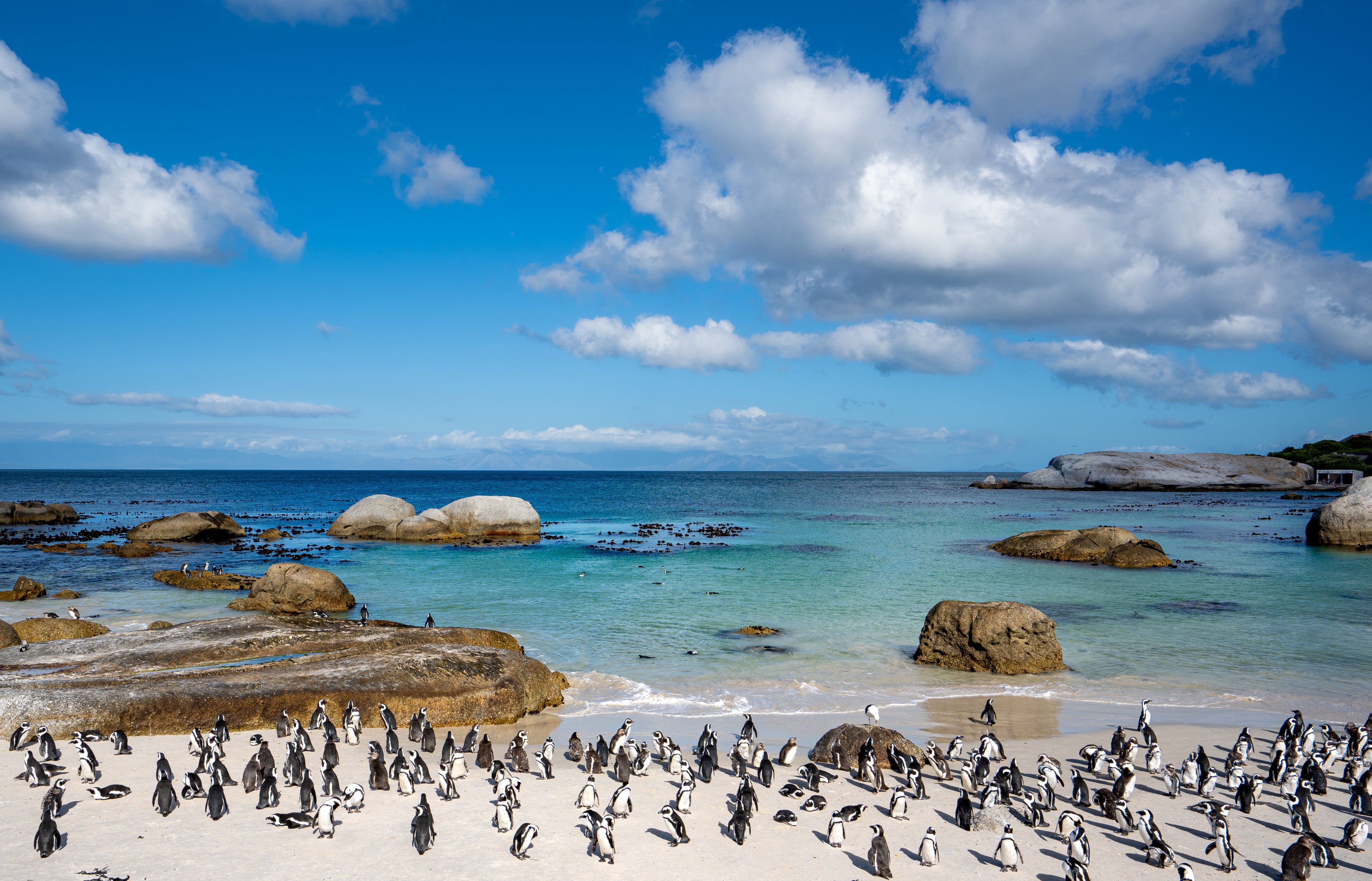
Within an hour’s drive is Boulders Beach, which you will share with one of the last colonies of African penguins. It is next to Simon’s Town, which until the 1950s was the home of the Royal Navy in South Africa. It also has street signs warning you “beware baboons”. You don’t get that in Battersea. It’s worth adding that the drive there from Cape Town is something else – hugging the cliffs and coastline with vertiginous drops and hairpin bends that make it one of those iconic roads where car ads are filmed.
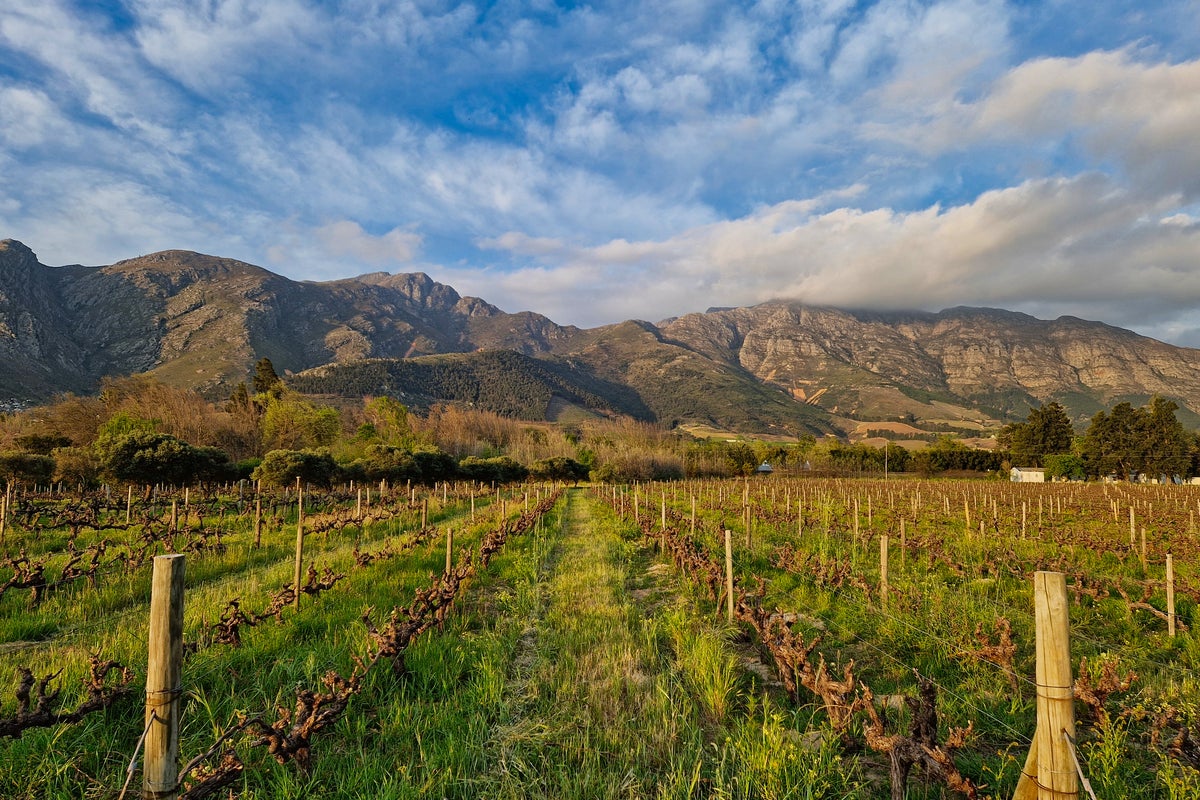
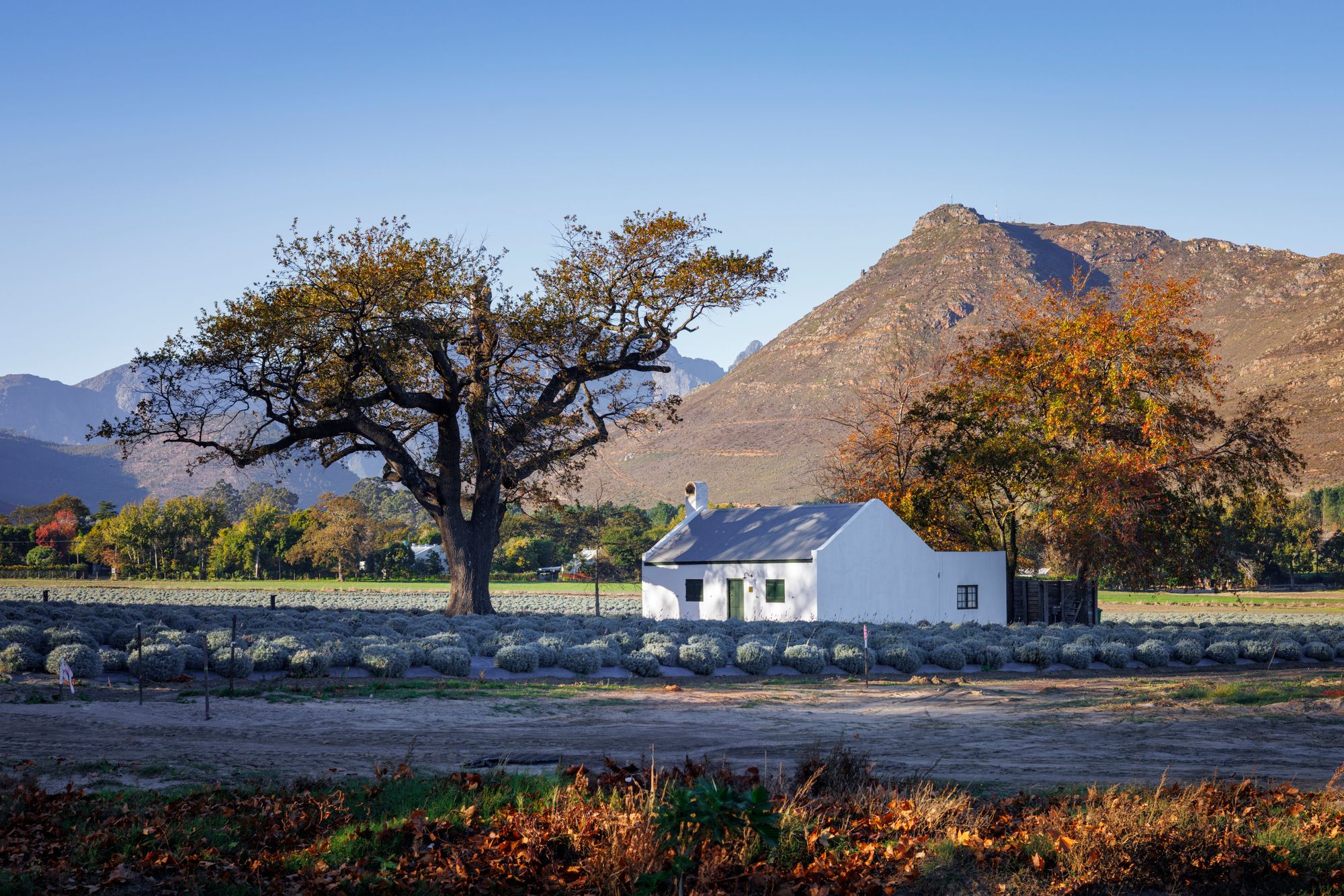
Franschhoek too is about an hour from Cape Town. I can’t do justice to the natural beauty. The earth is a burnt terracotta, the buildings are white, in that Cape Dutch style – but there is also a strong French influence, with the arrival of large numbers of Huguenots at the end of the 17th century, fleeing persecution. Because it is the garden route, everything seemed a verdant green, under big, blue African skies. And you are essentially driving through a lush valley, with rugged mountains all around you.
We stayed at La Cotte farm, which is still a working farm as well as a luxurious hotel. We had a cottage on the estate, which was beautifully furnished and had its own pool. Franschhoek has a day-long tram ride taking you around the local vineyards. The quality of the wines was fantastic.
The most famous wine from the region is Chocolate Block, but as one waiter put it to me, “this is Coca Cola, there are far better wines to be had”. I loved the pinotage variety – a sort of pinot noir, but a grape particular to this area. The Franschhoek Cellar Stone Bridge was really good and very inexpensive
Read more: The most thrilling way to do a safari is by running a marathon
The true is same of the restaurants. We went to arguably Franschhoek’s best restaurant, Reubens. We had three courses a la carte, wine and cocktails. I went for the Springbok steak. It was beautifully served, healthily lean in a jus with fresh, local vegetables – I mean, when in South Africa…. The bill came to 70 quid for the two of us. You certainly don’t eat for that in Battersea.
The wedding itself was on the La Roche estate, held in a chapel on a tiny island, surrounded by lakes, framed by rugged mountains wherever you looked. It was breathtaking.
On our way back to Cape Town we stopped for lunch at Babylonstoren. It is a luxury hotel, a restaurant, a vineyard – but most of all it is the most stunning set of exotic gardens. I don’t have a single green finger on either hand, but I was completely captivated by this place.
You can’t talk about South Africa without mentioning apartheid and the heroic role played by Nelson Mandela – and indeed FW De Klerk. In our age of impatience, disenchantment and cynicism it is one of the great stories of what politics can achieve. From Cape Town you can take a 45-minute ferry ride to Robben Island, where Mandela was imprisoned. You are shown round by other former ANC prisoners who were incarcerated there.
The student Jon Sopel protested against apartheid, refused to eat Cape apples, and boycotted one of the banks because of their links to South Africa. The country is not perfect, and still has many problems to overcome. But, wow, this rainbow nation has come a long, long way.
Jon stayed as a guest of Cape Grace Hotel on his trip.
Why you should visit – and stay in – Johannesburg’s Soweto
The secret scuba diving destination that’s cheaper than the Maldives
The 10 best winter sun holiday destinations you might not have thought of
Why 2026 is the year to visit Uganda for the ultimate gorilla encounter
10 best adults-only hotels in Cape Verde, from all-inclusive stays to beachfront digs
Is there such thing as an affordable safari? How to holiday in the wild without breaking the bank
8 of the best luxury safari lodges, from treetops to shipwreck cabins
The secret South African scuba diving destination that’s cheaper than the Maldives
10 best family hotels in Cape Verde from kids’clubs to watersports and beaches