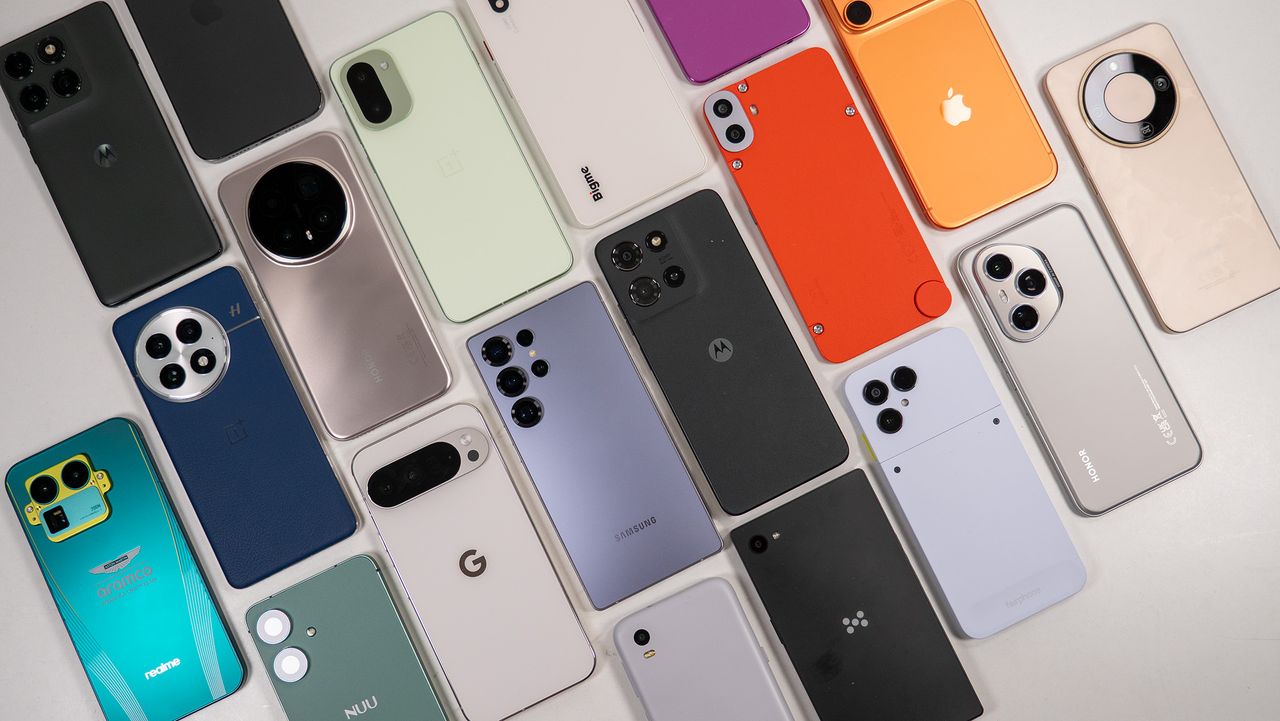
Head to the streets of any major city in the U.S. and look around at the smartphones you see. Chances are, you won't find much variety. Even if you ask people what brand they prefer, the answer is almost certainly only "Apple" or "Samsung."
Unlike the rest of the world, the U.S. smartphone market has experienced substantial stagnation, effectively giving power to two main brands. While smartphone market share reports will tell you that brands like Motorola and Google now sport notably increased shares of the pie, it's the mindshare that hasn't changed much.
But things could finally start looking up in 2026 if the potential deal between TikTok and American investors pans out in the New Year, and it could set a precedent that enables more companies to properly compete in North America as a whole.
The clock counts down
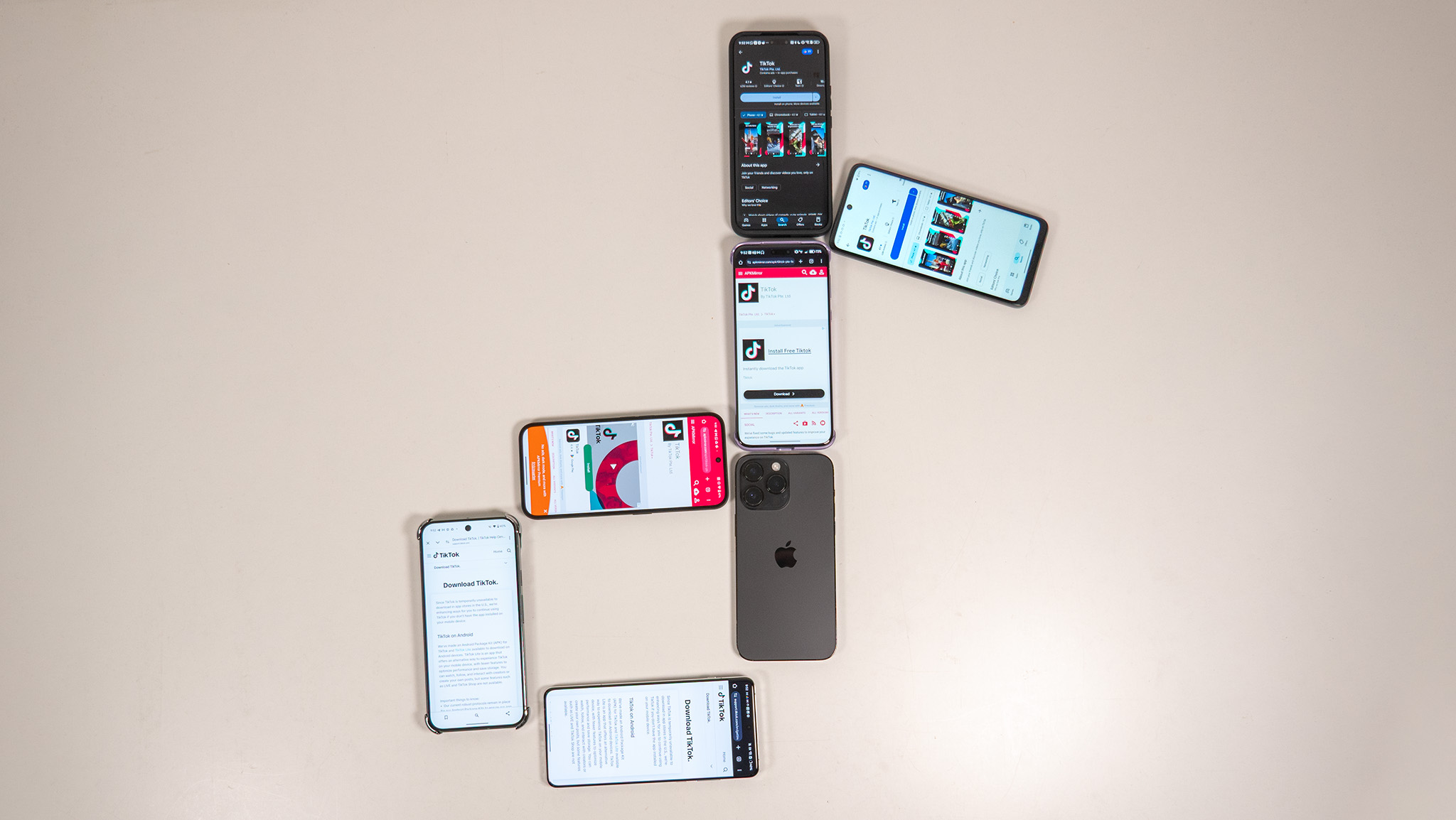
If you haven't heard the news, TikTok's U.S. division might finally see the 80% divestiture required by U.S. law to continue operating in the country. As we saw with the Huawei debacle, any action like this taken by the U.S. government will almost certainly see Canada follow suit, affecting nearly the entire North American market.
While TikTok is obviously an app and not a smartphone manufacturer, the actions taken by TikTok and its investors could set a precedent for Chinese smartphone manufacturers to follow. OnePlus already has its own US corporation for sales and support, and it would be a dream come true to see this kind of practice roll out more widely.
Mainly, I want to see brands like OnePlus, Oppo, Vivo, Xiaomi, and Honor make inroads in the U.S. through tactics like this. Obviously, OnePlus phones are already officially sold in North America, though devices like the OnePlus 15 are only sold unlocked through Amazon, Best Buy, and OnePlus' own website.
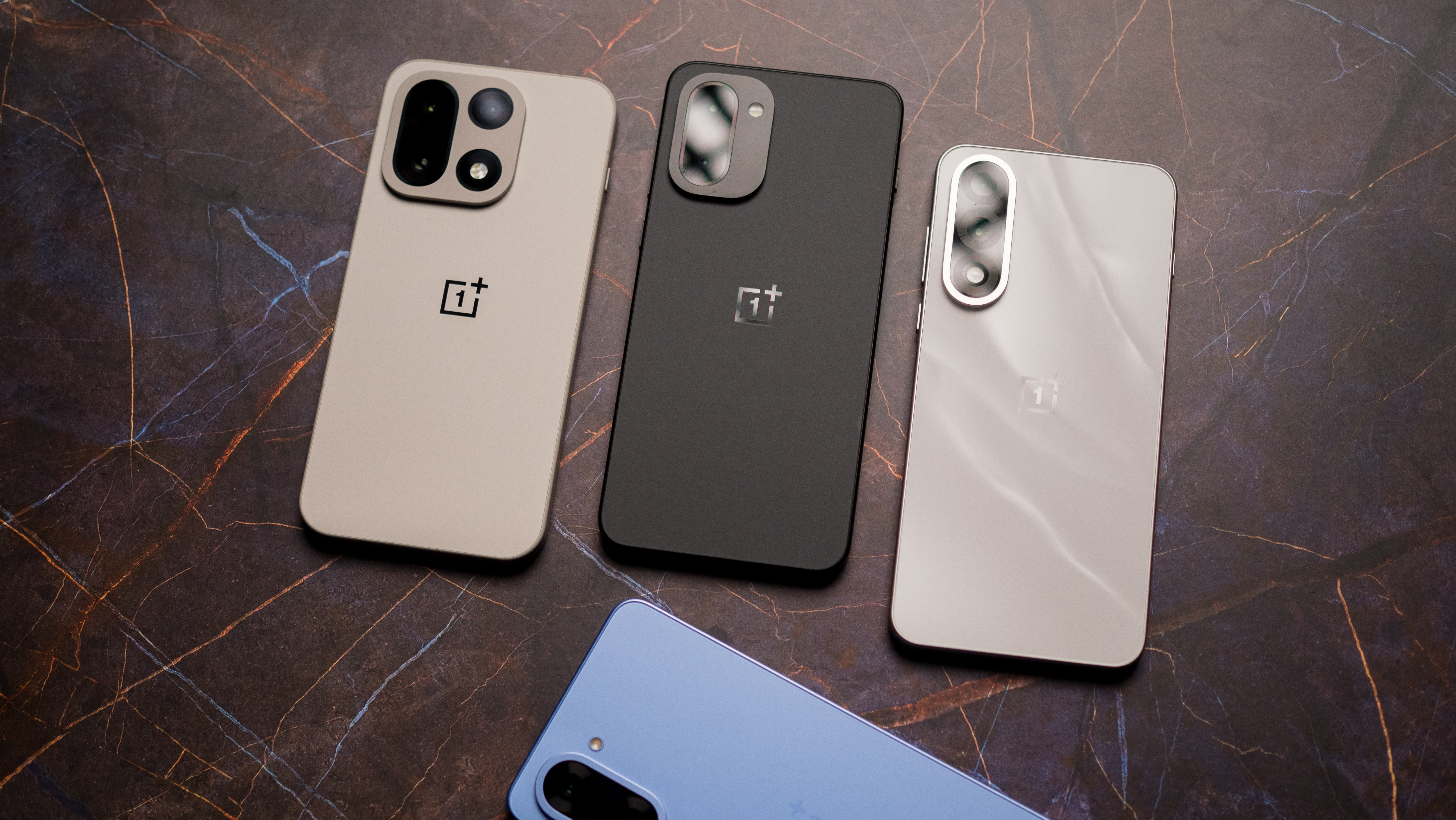
Creating new U.S.-based companies could finally give North American customers the variety we've needed for so long. We saw something similar happen with Honor back in 2020 when Huawei sold the company off, allowing the brand to continue to make phones and still use Google services.
Since then, Honor has become one of the best smartphone brands and even offers seven years of updates on its latest flagships, the same amount as Google and Samsung offer on their best phones.
But realistically, this type of transition won't happen overnight, and while I'd love to see major progress throughout 2026, I think it'll take a bit longer for things to get better.
Stick to the status quo
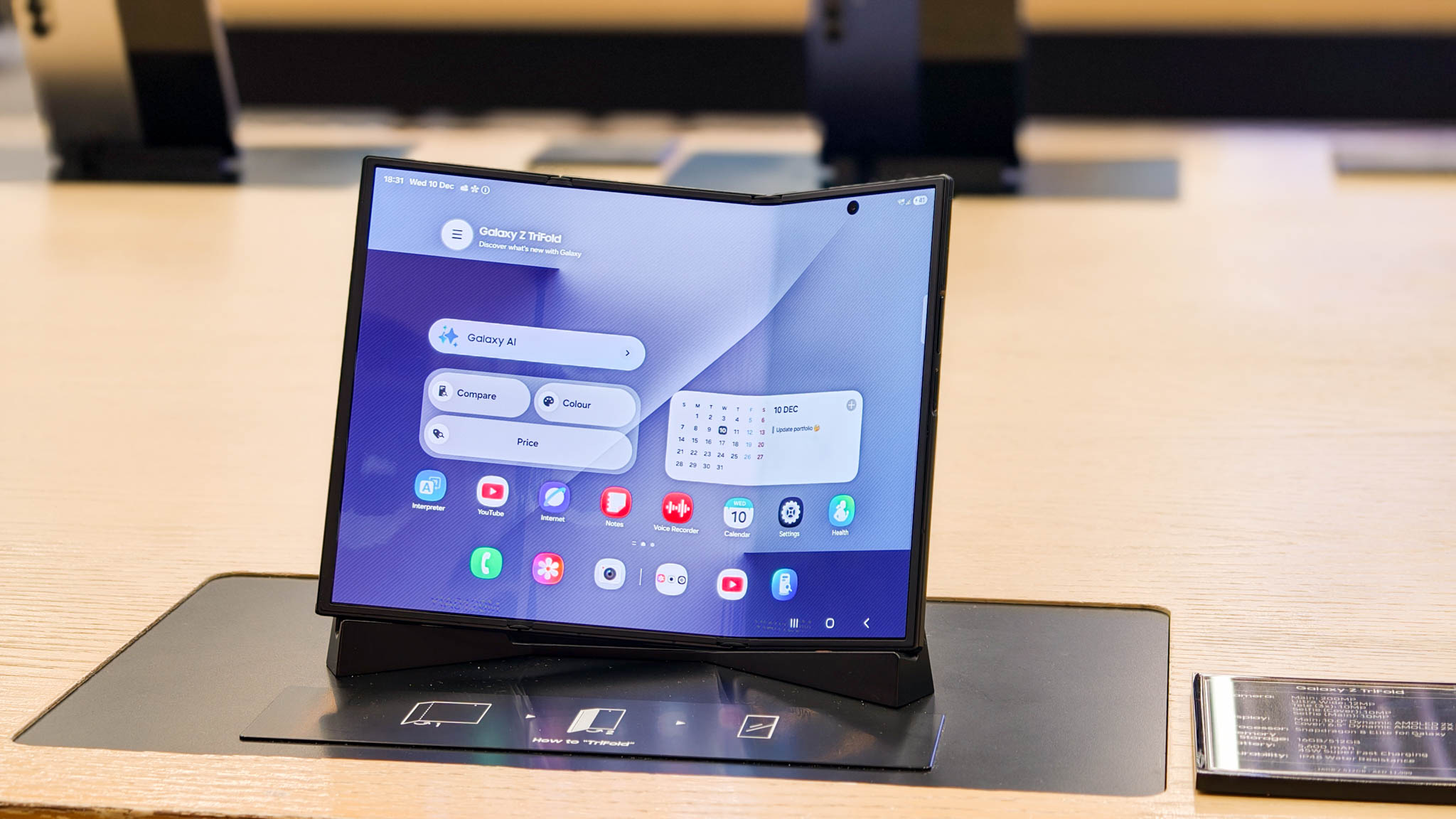
Until then, I fully expect the status quo to continue in North America, minus a few exciting exceptions. Motorola could very well be making a book-style foldable to compete with the Galaxy Z Fold series, offering North American customers one more alternative.
To date, only the Pixel Fold has attempted to challenge Samsung's dominance, and Google hasn't exactly delivered a truly excellent product yet. Surprisingly, even the Galaxy TriFold is coming to the U.S. in 2026, marking a significant milestone in foldable phones.
There's also a glimmer of hope for flicker-sensitive users now that Apple and Google both started work on alternatives to PWM dimming. To date, only Motorola and OnePlus offer proper alternatives to headache-inducing OLEDs in the North American smartphone market, another side effect of the stagnation here.

And there's also the launch of the Fairphone 6 and several really cool minimalist phones that aim to challenge our dependence on Google and our addiction to smartphones, in general. I'm loving this trend of minimalist and E Ink phones that provide good alternatives to the ultrabright, flashy, and addictive, as they allow users to participate in modern society while avoiding the pitfalls.
I don't see these types of phones making it to carrier shelves in 2026, but mind share, awareness, and reasonable prices might just help get them into more hands next year as companies like Bigme and Boox continue to launch more products. I don't see 2026 as being a revolutionary year for the North American smartphone market, but the groundwork has been laid for big moves to take place in the next 12 months, at the least.