

Testosterone has become the new hustle hormone. Scroll through social media for five minutes and you’ll see men crediting weekly injections for sharper focus, bigger lifts, stronger sex drives, and unstoppable confidence. Clinics advertise fast online evaluations. Influencers call it optimization. Some men treat it like a protein shake with a prescription pad. But many doctors now raise alarms, and they do so for a reason: testosterone therapy has moved far beyond treating clear medical deficiency, and that shift carries real consequences.
The medical community does not oppose testosterone therapy itself. Physicians prescribe it for men with confirmed hypogonadism, a condition where the body does not produce enough testosterone due to problems in the testes or pituitary gland. In those cases, treatment can improve bone density, mood, sexual function, and energy. The concern begins when men without clear medical need pursue testosterone for performance, aesthetics, or aging anxiety, often without thorough testing or follow-up. That trend has grown rapidly, and the risks have grown with it.
When “Low T” Became a Lifestyle Brand
Pharmaceutical campaigns in the early 2000s pushed the concept of “Low T” into mainstream culture, and they framed normal aging as a treatable hormone problem. Fatigue, reduced libido, and weight gain suddenly fit into a tidy narrative with a syringe-shaped solution. Many men saw those ads and thought, finally, an explanation. Clinics expanded, telehealth platforms streamlined prescribing, and the stigma around hormone therapy faded.
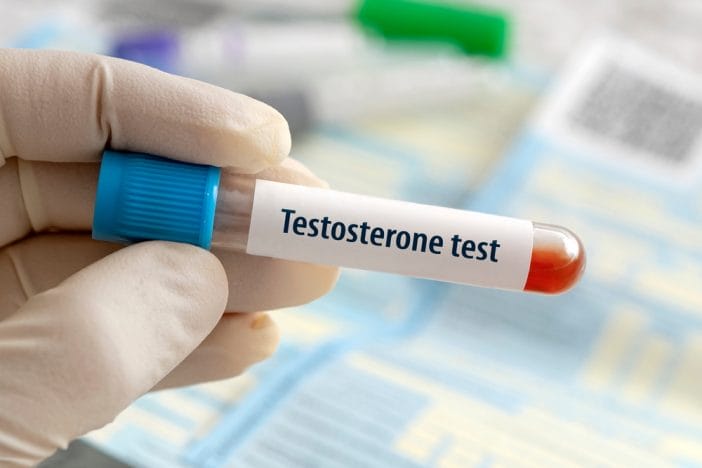
Medical guidelines from organizations emphasize a careful diagnostic process. Doctors should confirm low testosterone with blood tests. Physicians should also evaluate symptoms alongside lab results, not just numbers alone. Despite these recommendations, some clinics rely on minimal screening or treat borderline levels as disease.
Testosterone levels do decline gradually with age, but that decline does not automatically justify therapy. Aging itself does not equal pathology. When clinics market testosterone as a shortcut to reclaiming youth, they blur the line between medical treatment and enhancement. That blur creates room for overtreatment.
The Cardiovascular Question Doctors Take Seriously
Few topics ignite more debate than testosterone and heart health. Researchers have studied this connection for years, and the results do not offer simple answers. Some earlier studies suggested possible increased risks of heart attack and stroke in certain groups of men using testosterone therapy, especially older men with preexisting heart disease. Later research has produced mixed findings, with some studies showing neutral or even modest cardiovascular benefits in properly selected patients.
Doctors now approach prescribing with caution, especially for men who already carry risk factors such as high blood pressure, diabetes, or a history of cardiac events. Testosterone can increase red blood cell counts, which thickens the blood and may raise the risk of clotting if doctors do not monitor levels closely.
Fertility: The Trade-Off Many Men Don’t Expect
Testosterone therapy can significantly reduce sperm production. When a man injects or applies external testosterone, his brain senses high hormone levels and signals the testes to slow down or stop their own production. That shutdown affects both testosterone and sperm generation.
Men who want children often assume that testosterone will boost masculinity in every sense, including fertility. In reality, it can do the opposite. Some men on long-term testosterone therapy develop very low sperm counts or even temporary infertility. Doctors sometimes prescribe other medications, such as clomiphene citrate or human chorionic gonadotropin, to stimulate natural production instead, particularly in younger men concerned about family planning.
The Psychological Pull of Optimization Culture
Testosterone therapy does not exist in a vacuum. It sits at the center of a culture obsessed with productivity, physique, and constant self-improvement. Podcasts praise “high T” lifestyles. Fitness influencers frame hormone therapy as a competitive edge. In that environment, normal human variation starts to feel like deficiency.
Testosterone can improve mood and energy in men with clinically low levels. But doses that exceed normal ranges can lead to mood swings, irritability, and in some cases aggressive behavior. Anabolic steroid abuse, which involves much higher doses than medical therapy, clearly links to psychiatric effects including depression and impulsivity. While medical TRT differs from illicit steroid cycles, the line can blur when men chase ever-higher levels for performance rather than health.
A healthy lifestyle still plays a central role in hormone balance. Sleep deprivation, obesity, chronic stress, and excessive alcohol use can all lower testosterone. Addressing those factors often improves levels naturally. No injection replaces eight hours of sleep or a sustainable fitness routine.
What Responsible Testosterone Care Actually Looks Like
Safe testosterone therapy follows structure, not hype. A qualified physician conducts a full medical history, physical exam, and repeated lab testing before writing a prescription. The doctor screens for prostate cancer risk, evaluates cardiovascular status, and discusses potential side effects in detail. Monitoring continues after treatment begins, often every few months during the first year.
Men who suspect low testosterone should resist the urge to self-diagnose based on internet checklists. Instead, they should start with a primary care physician or an endocrinologist. A thoughtful evaluation can reveal other causes of fatigue or low libido, including thyroid disorders, depression, sleep apnea, or medication side effects. Hormones do not exist in isolation, and neither should treatment.
Strength Without Shortcuts
Testosterone therapy offers real benefits for men with genuine medical deficiencies, and no one should dismiss that. But the current trend toward casual prescribing and enhancement-driven use raises legitimate concerns. Hormones shape cardiovascular health, fertility, mood, and metabolism. They demand respect.
Men who feel off-balance deserve answers, not marketing slogans. A comprehensive health plan includes resistance training, adequate protein intake, stress management, consistent sleep, and regular medical care. Those foundations often move the needle more than any syringe. When testosterone therapy enters the picture, it should do so as a carefully considered medical decision, not as a lifestyle accessory.
If testosterone therapy has crossed your mind, have you looked at the full picture, including the trade-offs, before deciding your next move? Let’s share about this subject in the comments below.
You May Also Like…
6 Winter Storage Mistakes That Ruin Tools and Equipment
How Winter Harms Men’s Mental Health
7 Health Signals Easy to Ignore Until They Aren’t
6 Health Signals That Shouldn’t Be Ignored
Why Men Are Replacing “Fix-It-All” Identity With Something Healthier
The post The Testosterone Trend Doctors Warn Is Getting Dangerous appeared first on Clever Dude Personal Finance & Money.