Drugs used to tackle shingles, erectile dysfunction, and motor neurone disease could have surprising benefits in the fight against Alzheimer’s.
New research suggests shingles vaccine Zostavax and erection pill Sildenafil are among existing medications that could have additional uses in treating or preventing the disease, which is the UK’s biggest killer.
The drugs already have approval from the NHS, meaning if they are proven to be effective they could be fast-tracked and used to help the million people in the UK believed to be living with the condition.
Developing entirely new drugs from scratch can take 10 to 15 years and can cost billions of pounds – with no guarantee they will work. But scientists said repurposing medicines already approved for other conditions offers a quicker, safer and cost-effective route to potential new treatments for dementia.
Experts analysed 80 existing medications to find the ones most likely to be able to be helpful in treating or preventing dementia. From the study, they identified three top candidates which they said had promising potential for future research, with the results published in the journal Alzheimer’s Research and Therapy.
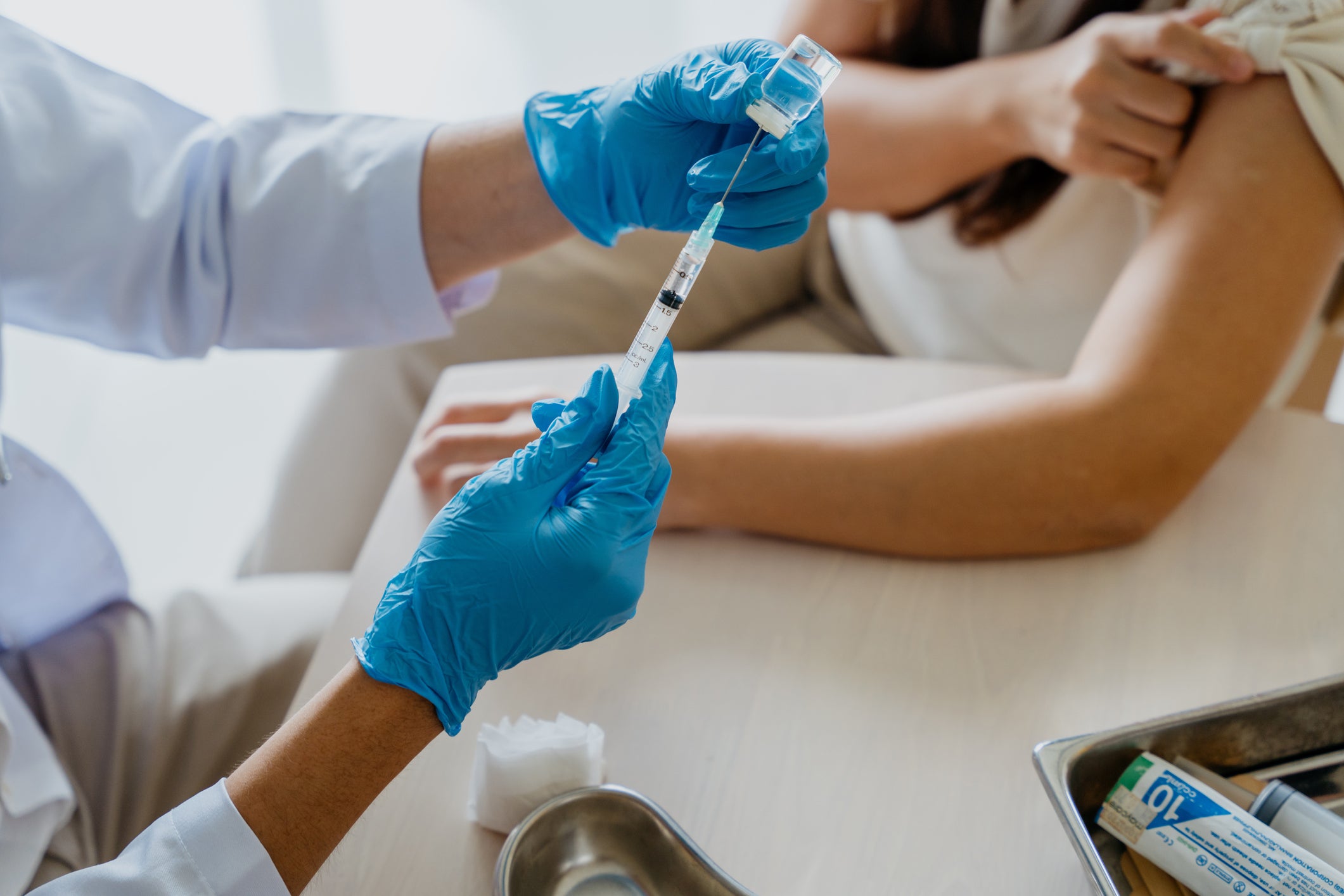
The study from scientists at the University of Exeter found Zostavax is the most promising existing medicine that could be repurposed to treat or prevent Alzheimer’s disease. Previous research has suggested a link between the shingles virus and dementia due to changes in the immune system that are a known factor in the disease.
The shingles vaccine Zostavax works by interacting with the immune system in way that could help to protect against some of these changes, meaning it could have benefits for Alzheimer’s patients too.
Previous studies suggest people who had the jab could be 16 per cent less likely to develop dementia.
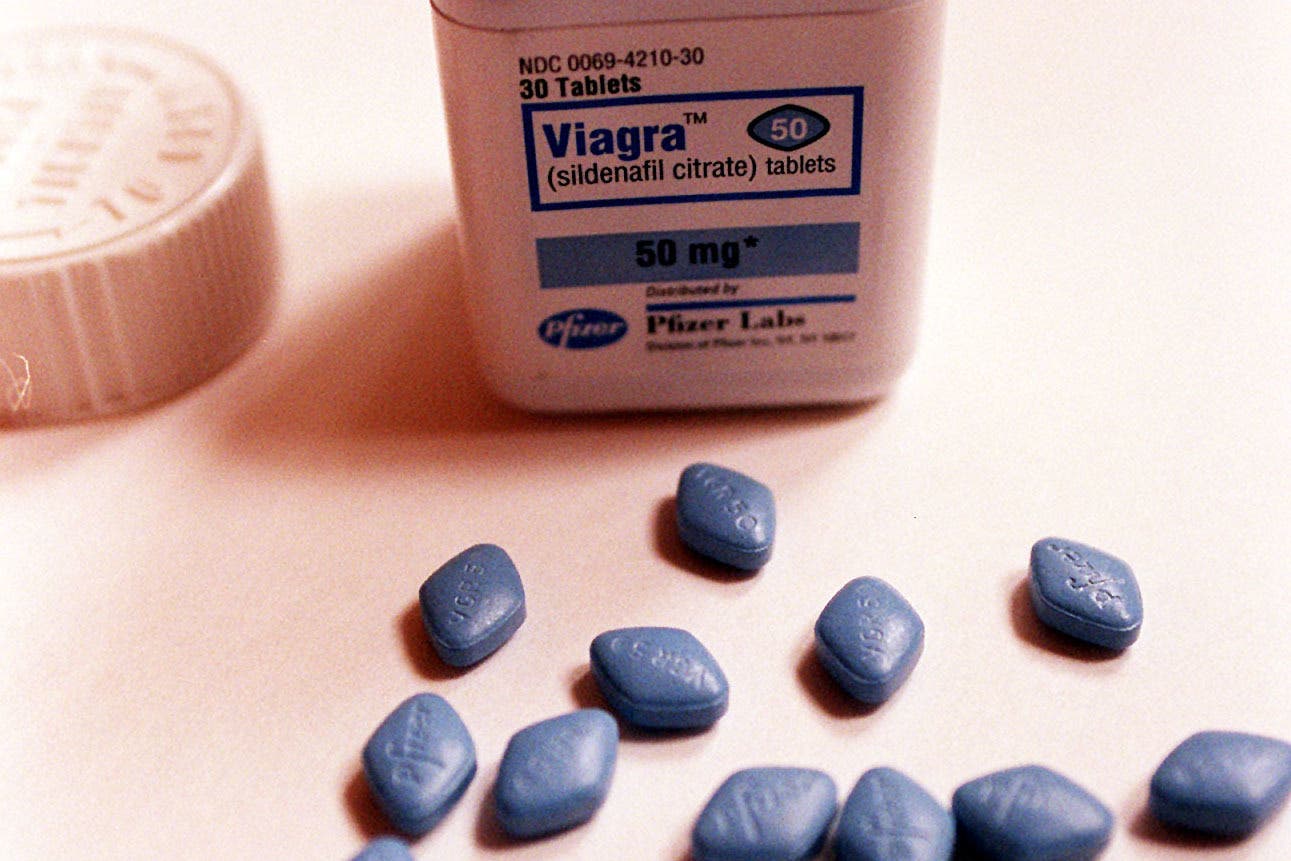
Erectile dysfunction (ED) drug Sildenafil - also known by the brand name Viagra - also had “strong promise”. The pill has been shown to help protect nerve cells and reduce build-up of the protein tau in the brain. Tau is a protein naturally produced by our cells, but can form harmful clumps or “tangles” that are linked to dementia.
In tests involving mice, Sildenafil also improved cognition, thought to be due to increasing blood flow to the brain.
The third drug, Riluzole, is currently used to treat motor neurone disease. Researchers found that in animal studies Riluzole has shown “promising” results in improving cognition and reducing levels of tau.
Scientists now hope to carry out a large clinical trial of this shingles vaccine in the UK, using the to monitor participants involved.
Dr Anne Corbett, Professor of Dementia Research at the University of Exeter, said it will take “every avenue of research” to beat dementia, including the analysis of existing drugs.
“Drug repurposing is a vital part of that mix, helping us turn today’s medicine for one condition, into tomorrow’s treatment for another,” she said.
However, she stressed the drugs need further investigation before they are approved for use for those diagnosed with Alzheimer’s.
“We now need to see robust clinical trials to understand their true value and know for certain if they are effective to treat or prevent Alzheimer’s,” she said.
Prof Fiona Carragher, chief policy and research officer at the Alzheimer’s Society, said: “Dementia devastates lives, but we believe research will beat it.
“Years ago, we saw aspirin being repurposed from being a painkiller to helping people reduce their risk of heart attack or stroke. This is what we want to see in the field of dementia, and why we believe drug repurposing is one of the most exciting frontiers in dementia research.”
It’s obvious that Trump is targeting Venezuela for one thing above all else
Alzheimer’s breakthrough could help patients remember loved ones
The industry where weight loss drugs are having ‘massive repercussions’
The household spice that can help you fight cholesterol
Coroners’ advice to prevent deaths of pregnant women ‘not being acted on’
The jab that can prevent girls from having pregnancy complications later in life