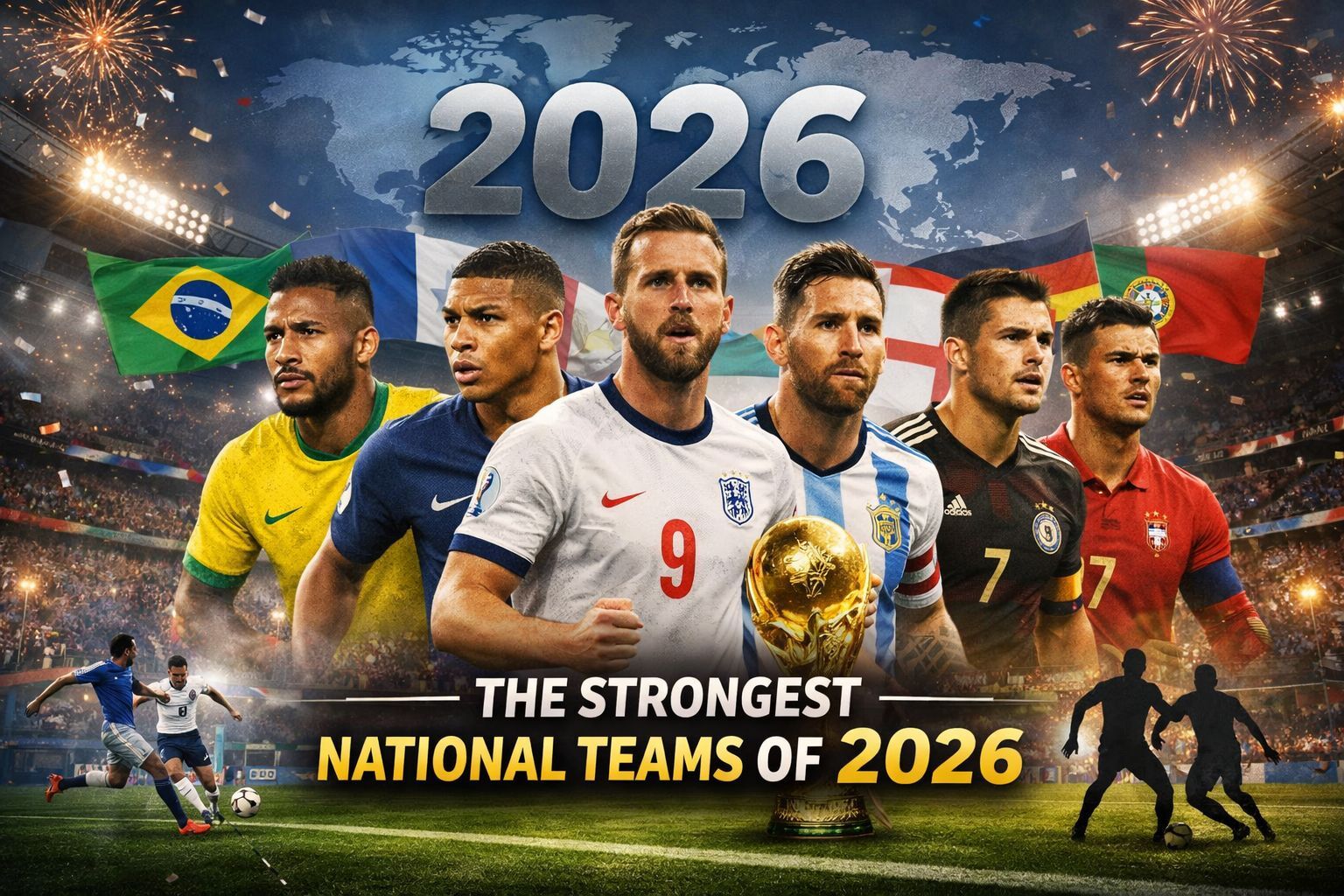
International football in 2026 shows a clear shift in structure, tactics, and player development. National teams rely on deeper squads, flexible systems, and detailed data analysis. Coaches build teams that press aggressively, control possession in short phases, and attack with speed. Youth academies supply national programs with technically trained players, while experienced leaders manage match tempo and maintain organization on the pitch.
Online casinos form a separate part of the digital entertainment sector and operate under regulated frameworks in many countries. Many discussions about the digital gaming market mention platforms such as emerging and fast-growing providers like piperspin in the middle of broader analysis of online casino services, user behavior, and regulatory approaches. Researchers often examine licensing rules, payment systems, and responsible gaming policies when studying this sector. Analysts also track technological changes that shape how users interact with gaming platforms. These discussions usually remain neutral and focus on industry structure rather than promotion.
Several national sides enter 2026 with strong squads, balanced rosters, and consistent results in recent tournaments. Their performances in qualifiers, continental competitions, and international friendlies show stable form and tactical clarity.
This article examines the national teams that demonstrate strong structure, deep talent pools, and consistent competitive presence in 2026.
Brazil
Brazil maintains a long tradition of technical football and attacking creativity. The current squad blends fast wingers, mobile midfielders, and defenders comfortable with the ball.
The coaching staff focuses on quick ball circulation and wide attacking channels. Full-backs support offensive phases and push high along the touchline. Midfield players rotate positions to create passing angles.
Young attackers bring speed and dribbling ability, while experienced defenders organize the back line. The goalkeeper also participates in build-up play and distributes passes toward midfield zones.
Brazil’s national setup benefits from a large domestic league system and strong player exports to European clubs. Regular competition at a high level improves tactical awareness and decision-making.
Key characteristics of the team include:
- Quick transition from defense to attack
- Technical dribbling in wide areas
- Midfield players comfortable under pressure
- High pressing during early phases of opposition build-up
- Rotating attacking positions in the final third
Brazil also promotes youth players through national development programs. Coaches introduce players to the senior team earlier than in previous decades, which increases squad depth.
France
France relies on physical strength, tactical discipline, and strong youth academies. The national system produces technically skilled players across every position.
The coaching staff builds flexible formations. The team often shifts between a back four and a back three during matches. Midfield players cover large distances and maintain defensive compactness.
France also uses vertical attacking patterns. Players move the ball forward quickly after regaining possession.
Several elements shape the team structure:
- Strong central defenders who dominate aerial duels
- Dynamic midfielders capable of box-to-box movement
- Fast wide forwards who stretch defensive lines
- Organized defensive blocks during opponent attacks
French youth academies continue to produce players with athletic ability and tactical awareness. Many players gain early experience in major European leagues.
The national program also places strong emphasis on physical conditioning. Players maintain high pressing intensity throughout matches.
Argentina
Argentina enters the mid-2020s with a new generation that supports experienced leaders. The team focuses on ball control, structured possession, and coordinated pressing.
Midfield organization plays a central role in Argentina’s system. Players circulate the ball in short combinations while searching for space behind defensive lines.
The attacking structure often relies on:
- Compact movement in central areas
- Quick passes around the penalty box
- Overlapping runs from full-backs
- Creative forwards who shift positions frequently
Argentina also maintains defensive discipline. Midfielders drop deeper when the team loses possession. This approach reduces gaps between defensive and midfield lines.
Domestic clubs contribute to player development through tactical training and competitive leagues. Young players gain early exposure to high-pressure matches.
A balanced squad structure allows Argentina to rotate players during tournaments without losing tactical identity.
England
England developed a structured football model during the last decade. The national program invests in youth academies, coaching education, and analytical support.
The senior squad in 2026 features technically skilled midfielders, physically strong defenders, and fast attackers.
England’s playing style includes controlled possession and quick forward passes once space appears. The team also presses opponents high in certain match phases.
Typical elements of the tactical setup include:
- Central midfield control through short passing
- Full-backs who support attacking phases
- Wide attackers who cut inside toward goal
- Strong defensive organization during transitions
English players gain experience in one of the most competitive domestic leagues in the world. High match intensity improves physical readiness and tactical discipline.
The national team also benefits from strong squad depth. Coaches rotate players across tournaments while maintaining consistent structure.
Spain
Spain relies on positional play and ball retention. The team maintains strong control over tempo through structured passing sequences.
Midfield players dictate rhythm and create numerical advantages in central zones. Players constantly reposition themselves to open passing lanes.
Spain’s style includes:
- Short passing combinations in midfield
- Patience during build-up phases
- Quick movement near the penalty area
- Defensive pressure immediately after losing the ball
Young players in Spain grow up in academy systems that emphasize technical precision. Coaches teach spatial awareness and positional discipline from an early age.
The national team often uses midfield triangles that support constant ball circulation. This structure allows Spain to control long phases of play.
Germany
Germany rebuilt its national program during the early 2020s. Youth development programs introduced new technical training methods and modern tactical education.
The team in 2026 shows improved creativity in attack and stronger defensive coordination.
Germany often builds attacks through structured passing from the back line. Central defenders initiate build-up play and move the ball toward midfield.
Important features of the team include:
- Structured build-up from defensive zones
- Wide attacking channels created by full-backs
- Aggressive pressing when possession changes
- Midfielders who support both attack and defense
German football culture values discipline and tactical preparation. Players maintain organized positioning during defensive phases.
Domestic clubs play a major role in player development. Competitive league structures give young athletes opportunities to gain first-team experience.
Portugal
Portugal enters 2026 with a technically skilled squad and strong attacking options. The team blends experienced players with a new generation of creative midfielders and forwards.
The coaching staff encourages fluid attacking movement. Players rotate positions in the final third to create space.
Portugal also uses a balanced midfield structure that supports both possession and defensive coverage.
Common tactical elements include:
- Technical dribbling in wide areas
- Fast passing combinations around the box
- Defensive compactness in central zones
- Quick counterattacks after regaining possession
Portuguese academies continue to produce technically refined players. Many athletes develop strong ball control and tactical understanding before reaching senior football.
The national team benefits from strong player exports to major European leagues, which raises the competitive level of the squad.
National team performance indicators in 2026
Several factors influence international team strength in modern football. Analysts evaluate squad balance, player development systems, tactical clarity, and competitive experience.
The following table outlines common performance indicators used by analysts.
|
Indicator |
Description |
|
Squad depth |
Number of players capable of performing at international level |
|
Tactical flexibility |
Ability to shift formations during matches |
|
Youth development |
Quality of academy systems feeding the national team |
|
International experience |
Player participation in major tournaments |
|
Defensive organization |
Coordination between defenders and midfield lines |
|
Transition speed |
Time required to move from defense to attack |
Teams that maintain stability across these areas often perform consistently across tournaments.
Tactical trends shaping national teams
Modern international football shows several tactical trends. Coaches across different countries study similar concepts and apply them in different ways.
Key tactical developments in 2026 include:
- High pressing during opponent build-up
- Goalkeepers who participate in passing phases
- Midfield rotations to create space
- Quick vertical attacks after ball recovery
- Defensive lines positioned higher on the pitch
These trends require players with technical skill, physical endurance, and tactical awareness.
Data analysis also influences preparation. Coaching staff evaluate match statistics, player workload, and positional movement to refine strategy.
Squad depth and rotation
Major international tournaments require teams to play several matches within short time frames. Coaches therefore depend on deep squads.
Rotation allows players to maintain physical freshness while preserving tactical structure. Teams with strong youth pipelines usually maintain larger pools of international-level players.
National teams now monitor player workload carefully. Sports science departments track fatigue levels, recovery periods, and injury risk.
Modern squad management therefore plays a large role in international success.
Development pathways
Youth training programs shape the future of national teams. Many countries invest heavily in academy structures, coaching education, and scouting networks.
Successful programs usually include:
- Technical training for players aged six to twelve
- Tactical education for teenage athletes
- Competitive youth leagues
- International youth tournaments
- Cooperation between clubs and national federations
These structures help national teams maintain consistent talent flow across generations.
Global balance in international football
International football in 2026 shows increased balance across continents. South American and European teams continue to perform strongly, while other regions demonstrate steady progress.
Asian and African federations invest in youth programs and infrastructure. These efforts raise competitive levels in continental tournaments.
More players from different regions now compete in top professional leagues. Exposure to high-level competition improves tactical knowledge and physical preparation.
This global exchange strengthens national teams and increases the quality of international tournaments.
Conclusion
National teams in 2026 demonstrate advanced tactical preparation, strong youth development systems, and deeper player pools than in previous decades. Brazil, France, Argentina, England, Spain, Germany, and Portugal all present balanced squads with clear playing identities.
Modern football demands flexibility, physical endurance, and technical precision. Coaches integrate data analysis, sports science, and structured training programs to prepare players for international competition.
Youth academies and domestic leagues continue to shape the future of national teams. These systems produce new generations of players capable of adapting to evolving tactical demands.
As international tournaments approach, national teams continue refining their strategies and expanding their squads. The next stage of global competition reflects steady progress in football development across multiple regions.



.png?w=600)