
Travelers are rediscovering the magic of cities after dark. For years, nightlife tourism was often associated mainly with bars, clubs, and concerts. But today’s travelers increasingly want something deeper and more memorable: immersive nighttime experiences tied to culture, history, food, and storytelling.
Across the United States, historic districts glow beneath lanterns and string lights while food tours, night markets, riverfront walks, and ghost tours draw visitors into a completely different side of the city. Night tourism has become less about partying and more about atmosphere, exploration, and connection, especially in America’s oldest and most historic destinations.
New Orleans, Louisiana
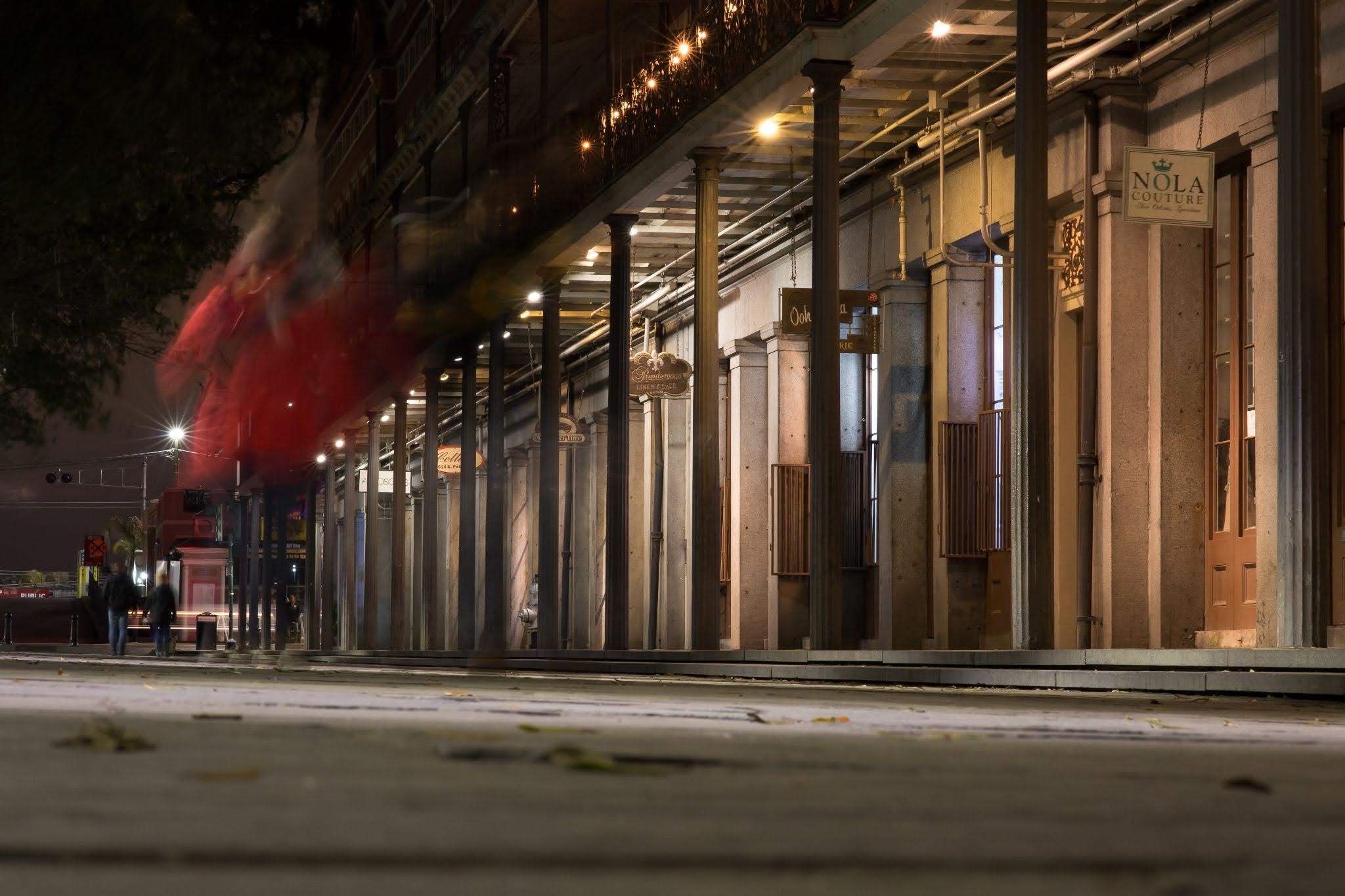
The haunted streets of New Orleans at night – Copyright US Ghost Adventures
Few cities come alive after dark quite like New Orleans. Founded by the French in 1718 and shaped by Spanish, African, Caribbean, and Creole influences, the city developed into one of America’s most important ports after becoming part of the United States through the Louisiana Purchase in 1803. Its history can still be felt in the winding streets of the French Quarter, where centuries-old architecture glows beneath wrought-iron balconies and flickering gas lamps.
Today, visitors increasingly seek nighttime experiences that go beyond Bourbon Street’s traditional party scene. Evening food tours have become especially popular, allowing travelers to sample gumbo, jambalaya, beignets, po’ boys, and Creole seafood while learning about the city’s culinary history. Night markets and late-night art walks also showcase local musicians, painters, and craftspeople in a way that feels authentic and community-driven.
New Orleans ghost tours remain one of the city’s biggest nighttime attractions. The Big Easy’s long history of fires, epidemics, pirates, and mysterious deaths makes it fertile ground for supernatural storytelling. Guides lead visitors through shadowy courtyards, hidden alleyways, and historic cemeteries while weaving together tales of voodoo legends, haunted mansions, and restless spirits. Even travelers who do not believe in ghosts often enjoy the tours for the history alone.
The appeal of New Orleans after dark lies in the atmosphere. Jazz spills from open doorways, riverboats glide along the Mississippi, and historic buildings take on an entirely different personality beneath the night sky. Visitors are no longer simply looking for nightlife; they want experiences that feel immersive, emotional, and rooted in place.
Williamsburg, Virginia
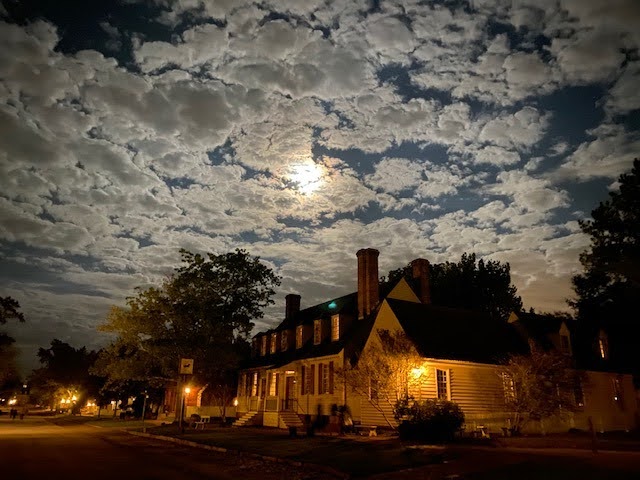
Colonial Williamsburg at night – Copyright US Ghost Adventures
Founded in 1699 as the capital of the Virginia Colony, Williamsburg played a central role in colonial America and the growing movement toward independence. Figures like Thomas Jefferson, George Washington, and Patrick Henry all spent time here as revolutionary ideas spread through taverns, government halls, and public squares.
By day, Colonial Williamsburg operates as one of the world’s premier living history museums. Visitors can watch blacksmiths work glowing iron, printers produce colonial newspapers, and costumed interpreters recreate 18th-century daily life. But after sunset, Williamsburg transforms into something quieter, moodier, and far more mysterious.
Night tourism has flourished here because travelers increasingly crave historical immersion rather than passive sightseeing. Lantern-lit ghost tours guide visitors through dim colonial streets where stories of war, disease, and tragedy linger. The city’s most haunted locations offer history with a twist. Evening reenactments and walking tours allow visitors to experience the city at a slower, more atmospheric pace.
Many travelers say nighttime makes Williamsburg feel more authentic. Without the crowds and bright sunlight, it becomes easier to imagine horse-drawn carriages rolling through the streets or secret conversations unfolding during the Revolution. Families especially appreciate that the city’s nighttime attractions balance education with entertainment. Children can learn about colonial history while enjoying just enough spooky storytelling to stay engaged.
Williamsburg reflects a broader shift in tourism trends: people increasingly want meaningful experiences tied to storytelling, local identity, and sensory atmosphere. Night tourism allows historic cities like Williamsburg to feel alive rather than frozen in time.
New York, New York
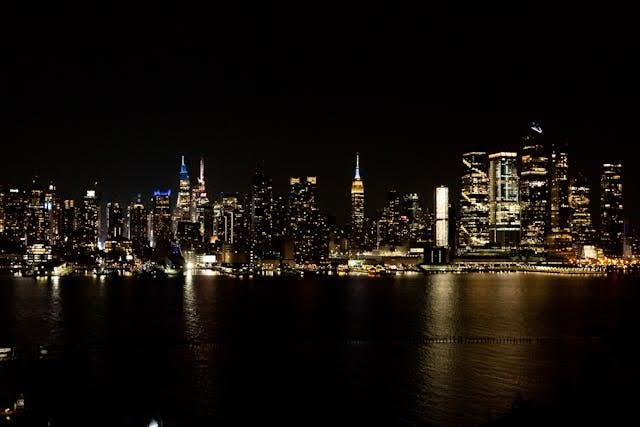
New York at night – Copyright US Ghost Adventures
New York City has always been a city of lights. Originally founded by the Dutch as New Amsterdam in the 17th century, the city evolved from a colonial trading post into America’s first capital and eventually one of the world’s most influential financial and cultural centers. Millions of immigrants passed through Ellis Island and Castle Garden during the 19th and early 20th centuries, shaping the diverse identity that defines the city today.
For decades, New York nightlife was associated with Broadway shows, jazz clubs, and late-night entertainment. While those attractions remain important, modern travelers increasingly seek more layered experiences after dark. Night food tours through neighborhoods like Chinatown, Little Italy, and Brooklyn allow visitors to explore immigrant culinary traditions while learning about the communities that built the city.
Illuminated historic districts have also become major draws. Walking across the Brooklyn Bridge at night or wandering through Lower Manhattan offers a completely different perspective on the city’s architecture and history. Evening harbor cruises reveal the skyline glowing against the water while storytelling tours explore everything from organized crime and immigrant history to Broadway legends and haunted landmarks.
Night markets have surged in popularity as well, reflecting New York’s global identity. Travelers increasingly want open-air food experiences, artisan vendors, live music, and cultural interaction instead of traditional nightlife centered around alcohol. These spaces feel more welcoming to families, solo travelers, and older visitors who still want vibrant evening experiences without club culture.
New York highlights how night tourism can evolve beyond entertainment into something more experiential. The city becomes less about simply staying awake late and more about discovering hidden layers of culture, architecture, and human stories that feel especially alive after dark.
St. Augustine, Florida
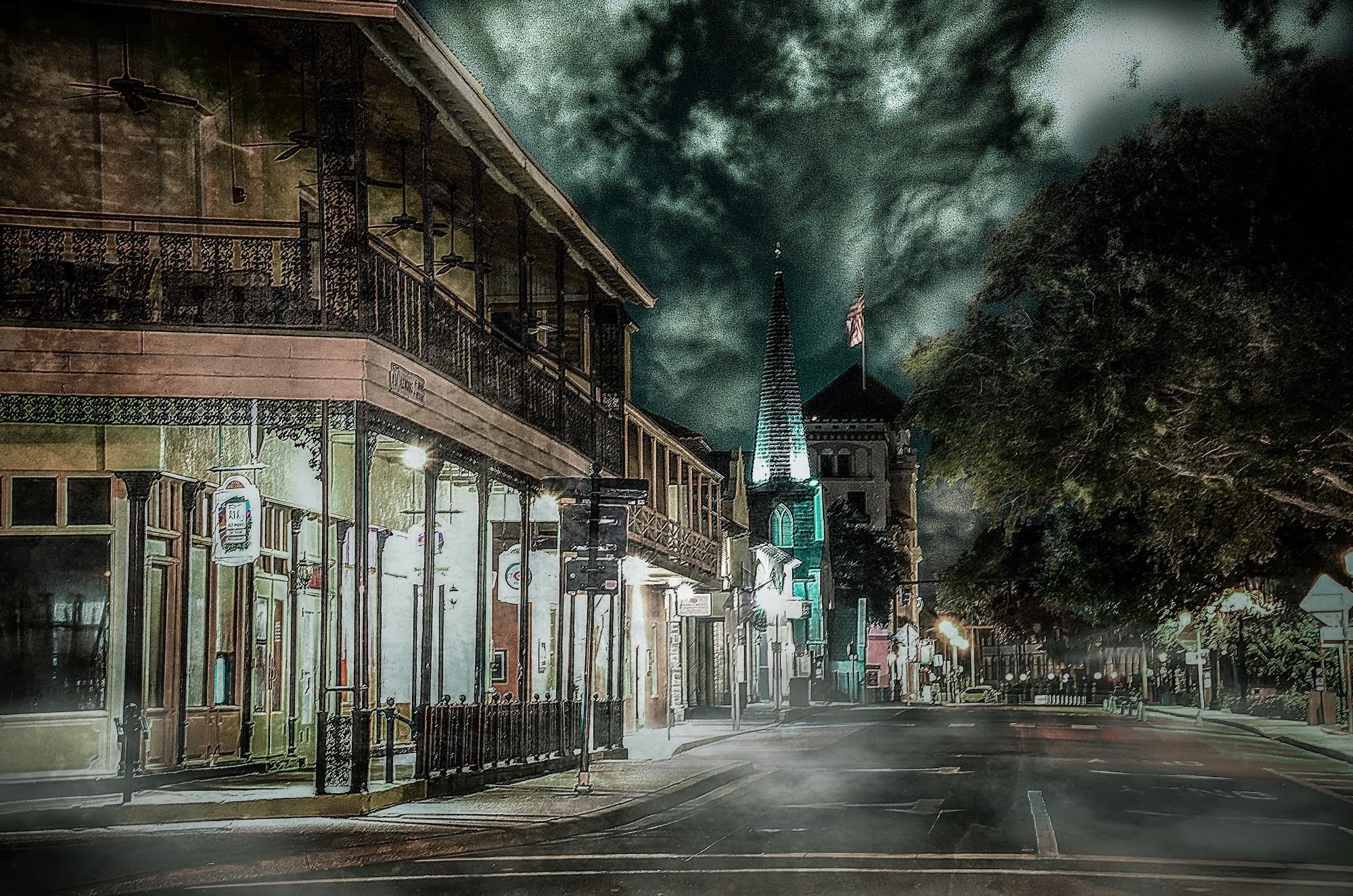
St. Augustine at night – Copyright US Ghost Adventures
Founded in 1565 by Spanish explorer Pedro Menéndez de Avilés, St. Augustine is the oldest continuously occupied European-established settlement in the continental United States. Over the centuries, the city passed through Spanish, British, and American control while serving as a military outpost, trade center, and coastal stronghold.
In the late 19th century, industrialist Henry Flagler transformed St. Augustine into a luxury winter resort destination for wealthy northern travelers. Many of the grand hotels and architectural landmarks from that era still stand today, beautifully illuminated at night.
Modern visitors are increasingly drawn to St. Augustine after sunset because the city’s compact historic district feels tailor-made for nighttime exploration. Cobblestone streets, centuries-old buildings, and softly lit plazas create an atmosphere unlike anywhere else in America. Ghost tours are especially popular, blending pirate legends, colonial history, and paranormal storytelling into immersive walking experiences.
Nighttime food tours have also become major attractions. Visitors can sample Spanish-inspired cuisine, fresh seafood, and regional desserts while hearing stories about pirates, smugglers, and early settlers. Seasonal lighting events transform the city into a glowing historic wonderland, encouraging evening strolls through districts that feel suspended in time.
What makes St. Augustine particularly appealing is how naturally its history fits nighttime tourism. The city’s age, architecture, and legends already carry a sense of mystery. Travelers are increasingly looking for experiences that feel cinematic and emotionally engaging, and St. Augustine delivers exactly that through lantern-lit streets, ocean breezes, and centuries of stories waiting to be told.
Haunted Cities at Night
The rise of night tourism reflects changing traveler priorities. People still enjoy nightlife, but many now want experiences that feel immersive, cultural, and memorable rather than purely transactional. Historic cities across America are responding with ghost tours, food tours, illuminated districts, night markets, and storytelling experiences that reveal a city’s personality after dark.
Whether wandering colonial streets in Williamsburg, tasting Creole cuisine in New Orleans, exploring New York’s glowing neighborhoods, or hearing pirate legends in St. Augustine, travelers are discovering that some of the most meaningful travel moments happen long after the sun goes down.









.png?w=600)




