
Have you ever wondered why so many tour professionals tend to gravitate towards bonded hosels in their fairway woods as opposed to adjustable ones?
Joe has, and in this episode of Kick Point: The Golf Gear Show, our gear expert is keen to find out why.
To answer this question, we welcome onto the pod TaylorMade Senior Manager, Tour, Adrian Rietveld, a man responsible for fitting many of the world’s best players, including Scottie Scheffler, Rory McIlroy, and Tommy Fleetwood.
WATCH: Joe from Kick Point: The Golf Gear Show discusses bonded and adjustable hosels with TaylorMade’s Adrian Rietveld (from 52:50)
Before adjustability came along, that part of the club where the shaft attaches to the clubhead was always bonded.
Then adjustable sleeves arrived, which has allowed golfers to fine-tune loft, lie angle, and face angle, therefore giving everyone the ability to optimize their ball flight.
With an adjustable sleeve, you'd think you have more options. However, on tour, when you can put that head in a mold and bend it, you can be more precise with the bend on a bonded.
“You have to split the product and the hosel as well,” says Adrian. “Our core offering, which would be like your Qi10, not your titanium tour offering, would then be bonded, and the tour offering, the titanium offering, would be adjustable.
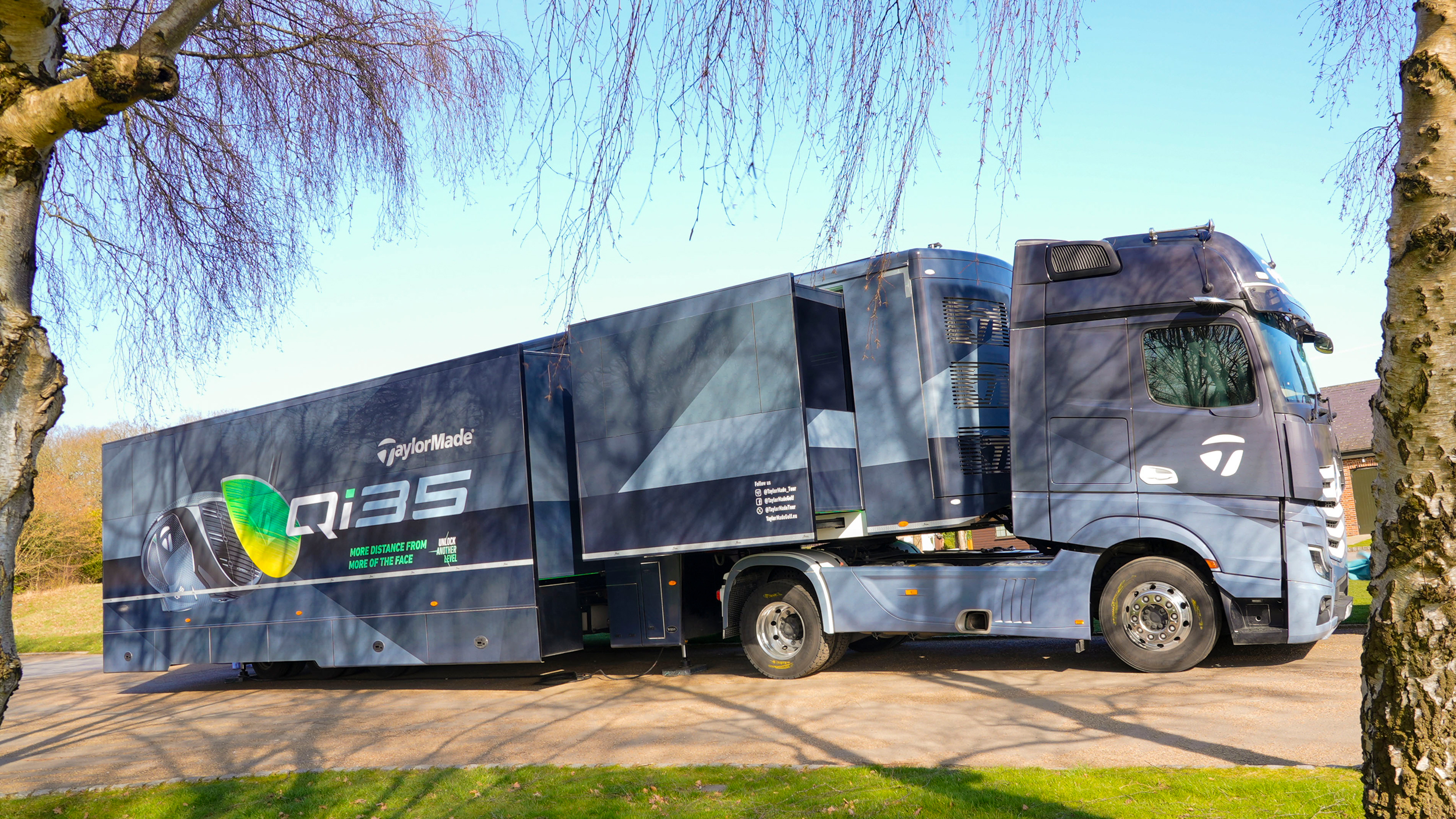
“This year in the Qi35 fairway wood is the first year that we’ve made adjustability fairways in both. But from a service standpoint on tour you’ve got to keep with what’s working, which is your bonded offering.
Scottie Scheffler is an example of a player who has used a special bonded version of the Qi35 fairway in a 7-wood, which he put in play at the 2025 Farmers Insurance Open at Torrey Pines.
“I’d say it’s probably a 50/50 split in terms of who’s stuck with the bonded and who’s used the adjustable.
“I wouldn’t say that’s down to the performance. I would say it’s down to the ability to fit it with the tour truck on site.
“You have no limitations from a tour standpoint with the bonded hosel. Everything from your face angle to the loft to marrying up the two, you have more range of movement.”
So, no, Joe, it's not really a visual thing or a case of the bonded hosel being some sort of secret power source.
FLEETWOOD'S PREFERENCE
Adrian shares a fascinating example which explains why some players might prefer bonded hosels.
“I don’t think I would ever have got Tommy Fleetwood into a TaylorMade fairway wood back in the day if I didn’t have a bonded hosel,” he explains.
“Our sleeves would get the club to 57 degrees lie angle. He needed 56, so he needed it really flat.

“With an adjustable hosel, I probably would have had to move the CG and do a lot more to the head to optimize the ball flight, whereas he just wanted to see a flat lie angle.”
Adrian adds: “I would say that us moving to an adjustable hosel in all of our offerings is only going to benefit the consumer because their margins are a little wider.
“All of a sudden they have a little bit of range to take the more forgiving head, which is that core offering, and be able to adjust it and get some more performance out of it.”