
The project:
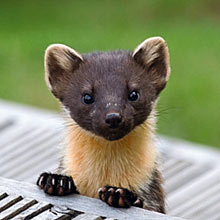
This cat-sized animal was on the verge of extinction in the UK in the 90s, but the last decade has seen the pine marten holding on in Northern Ireland. The pine marten project that the National Trust has devised with Banrock Station aims to study that revival, and to see if there are lessons to be learned, and whether they can be replicated elsewhere.
The plan is to install trail cameras at key locations, feeding the footage back to visitor centres so that the public can get a closer look at this beautiful native species which so nearly vanished from our countryside altogether. The cameras will also be used to assess the size of the pine marten populations, and it is hoped that different individuals will be identified and studied.
If this project wins the higher funding from Banrock Station:
The money would be used to track individual animals using GPS or radio tracking, so that real detail can be gathered about the way they are using their habits to see if any useful pointers can be picked up for improvement.
Pine marten facts:
Soft brown fur, with lighter brown chest
Pointed chin, bright eyes
Can grow to the size of a cat
Elusive, but not as timid as the otter
Favours heavily wooded areas and is a tree climber
Feeds on fruit and small mammals
Scats (faeces) is dark in colour with a twisted/coiled appearance
Scats often contains fruit seeds or even whole blackberries
What the experts say:
"They love jam sandwiches," says David Thompson, coast and countryside manager for the National Trust in Northern Ireland. "They've got a sweet tooth, you see, so they love jam – preferably strawberry.
"If you want to see a pine marten, you need to get out into the woods and look for their scats; that's a good sign that they're nearby. Early morning or evening are the best times of day to see them. There are pine marten hides (like bird hides) in Northern Ireland, but you could just use a tent or even sleep in the open. And then put out your jam sandwiches. Honestly! They love them."



