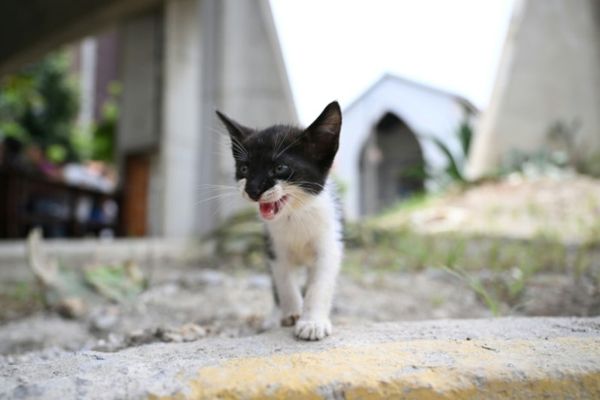
A team from Plastic Odyssey and Unesco have carried out a mission to map plastic waste, test removal methods and establish monitoring protocols on the Aldabra Atoll in the Seychelles. It is one of 51 marine areas listed as a World Heritage Site, increasingly under threat from plastic pollution.
At the United Nations Ocean Conference (UNOC) in Nice in June, Unesco and the Plastic Odyssey expedition signed a partnership aimed at restoring the world’s most endangered marine World Heritage sites.
Drawing inspiration from a successful 2024 clean-up on Henderson Island in the South Pacific – during which 9.3 tonnes of plastic waste were removed – the organisations plan to replicate the operation in other areas across the globe.
Plastic Odyssey and Unesco sign deal to restore marine World Heritage sites
Among them is the Aldabra atoll in the Indian Ocean which is one of the largest raised coral reefs in the world.
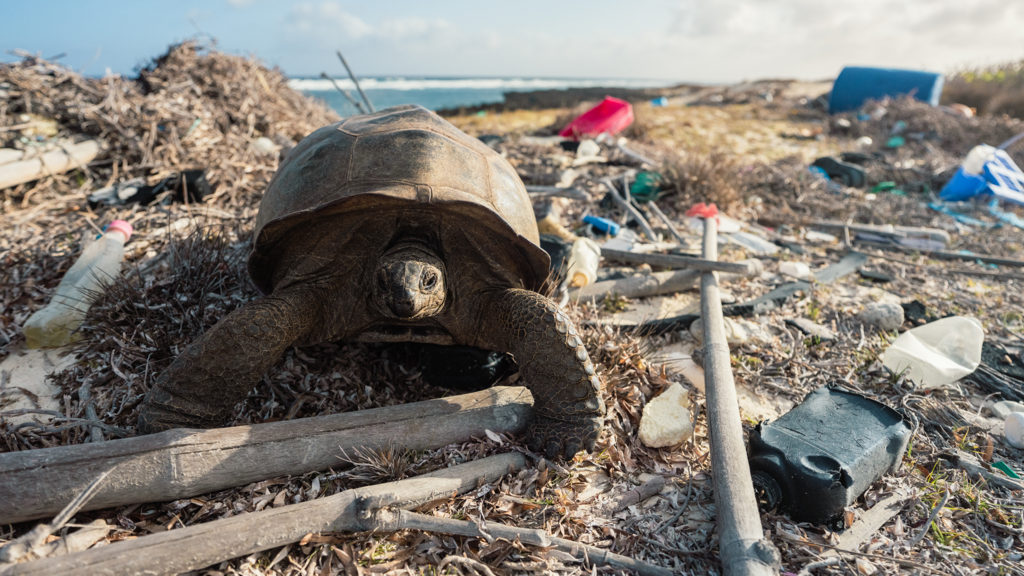
It is known for the hundreds of endemic species – including the Aldabra giant tortoise.
"Aldabra is one of 51 marine sites listed as Unesco World Heritage Sites. These sites represent less than 1 percent of the Earth's surface, but 15 percent of marine biodiversity," Simon Bernard, CEO of Plastic Odyssey, told RFI.
"They are true biodiversity hotspots, but they are also areas that accumulate enormous amounts of plastic waste."
'Impossible clean up'
The field mission occurred from 8 to 20 October with the Plastic Odyssey team, who surveyed the island to better estimate the amount of waste.
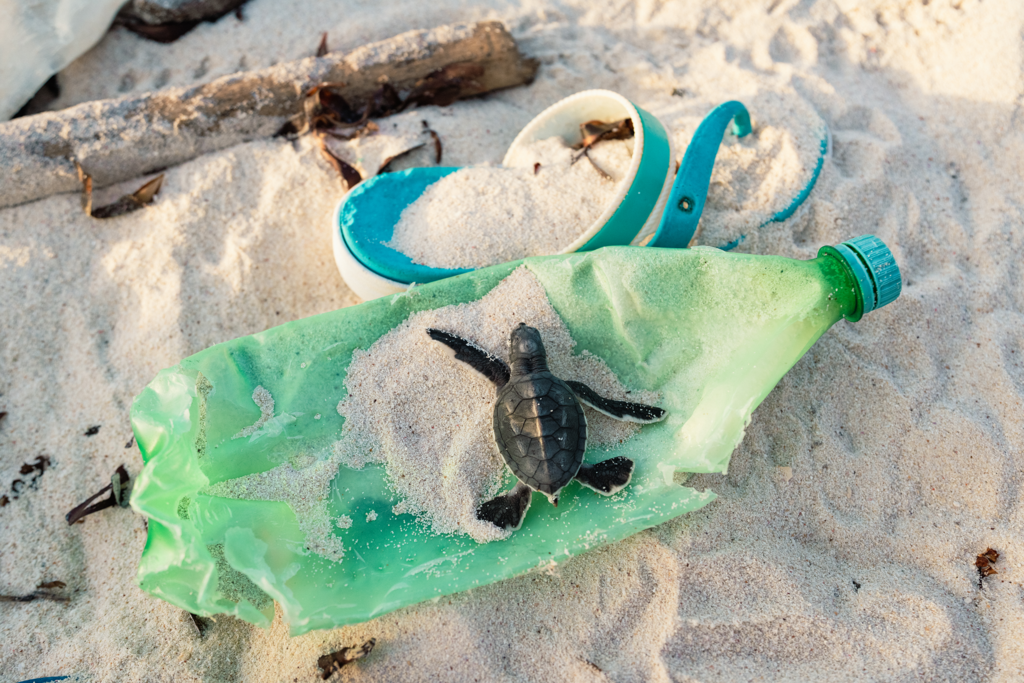
According to scientific studies 500 tonnes of plastic waste has washed up on this tiny, remote island.
"Where is the waste, how much is there and, above all, how are we going to remove it? We will need to plan a mission lasting several months – four to six months – to collect and remove everything," said Bernard.
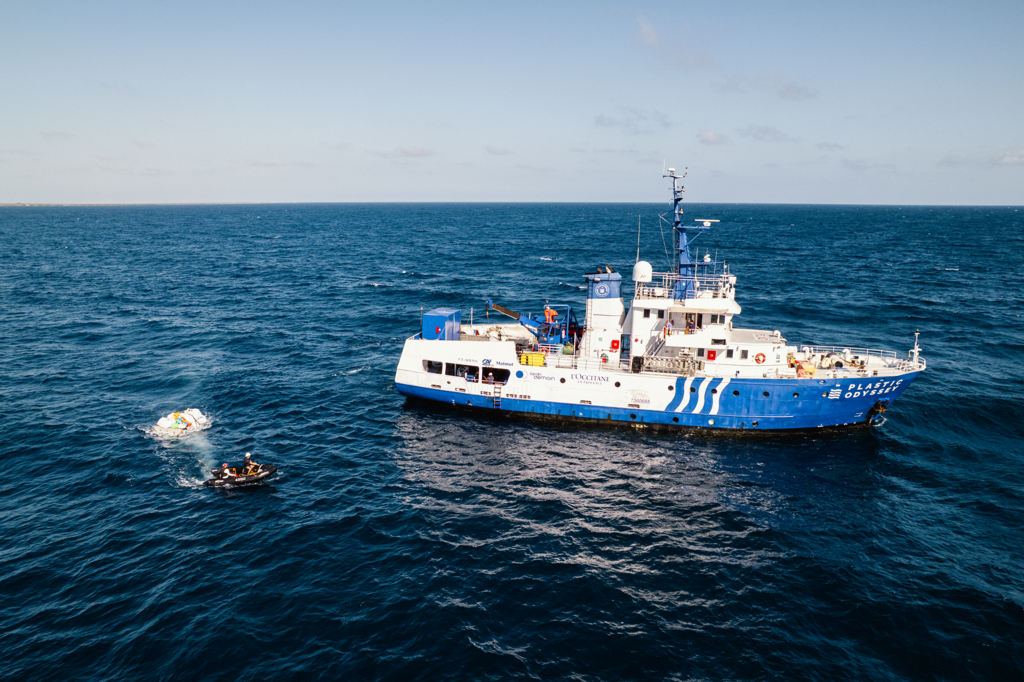
This mission was called "The impossible clean up" – because Aldabra is very difficult to access.
"Very often on these islands, waste accumulates on the exposed coasts, which are virtually inaccessible. There is almost no access to the sea. The island is surrounded by a belt of very sharp rocks, known as karst," Bernard explained.
"There is no water, no food and obviously no doctor. So you really have to plan all the logistics to keep the teams alive and able to survive on site for several months."
Recycling partners
The plan is to collect various waste items – like fishing buoys, flip-flops, and cans – using a slide-like system on the rocks that directs the debris into the sea for extraction.
After collection, each type of waste must be sent to an appropriate recycling partner.
Plastic Odyssey on sea-faring mission to target plastic waste in Madagascar
Flip-flops are difficult to repurpose, Bernard says, but they are "working with a company in Kenya that makes works of art out of flip-flops. They recycle several dozen tonnes a year.
"For all the hard plastic, we will be working with entrepreneurs in the Seychelles, on Mahé island, who transform this".
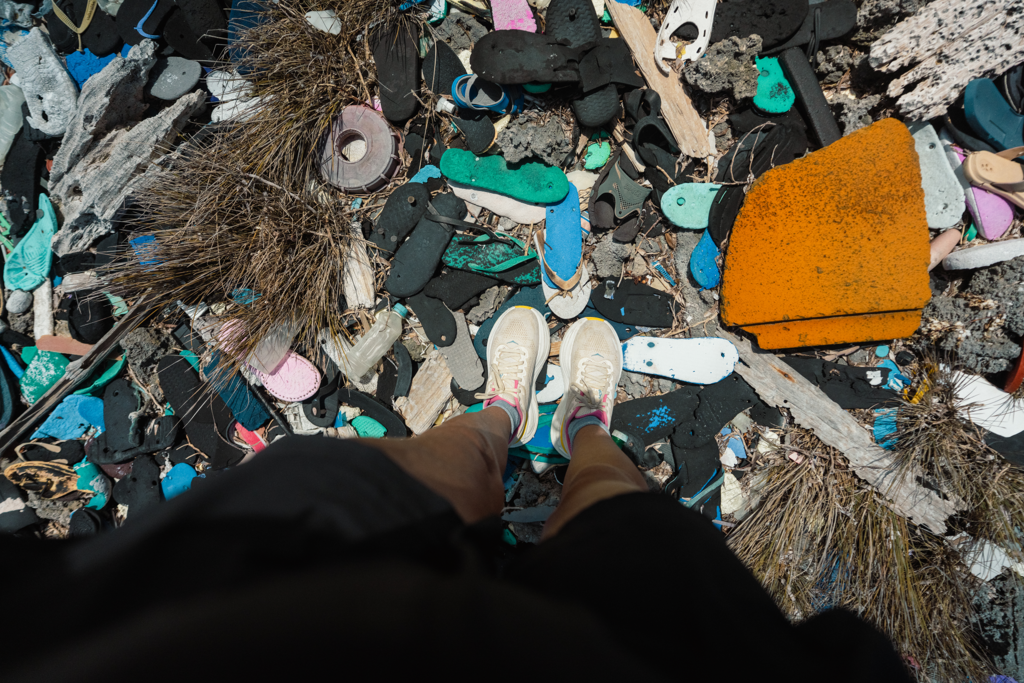
Plastic Odyssey has also just completed a mission to Saint-Brandon, a Mauritian archipelago which is not yet on Unesco’s official list. It is rich in exceptional endemic bird species but heavily polluted with plastic.
They collected over five tonnes and reached the ship’s maximum capacity without being able to gather everything.
The unexpected volume of plastic means they will need to return, and Saint-Brandon will be included in future Plastic Odyssey expeditions.