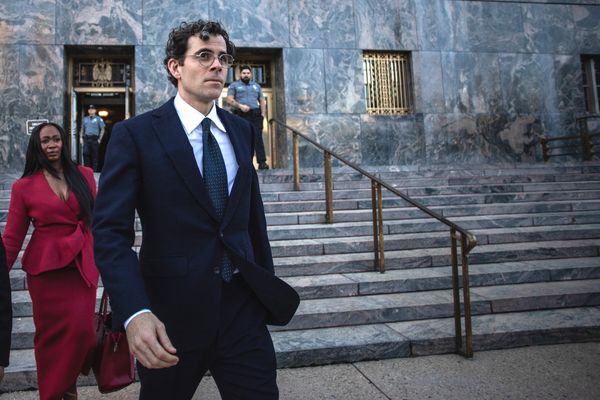
In October 2014, Serial took the world by storm by heading straight to number one on iTunes, becoming the fastest downloaded podcast in history. Told in real time, the weekly episodes saw reporter Sarah Koenig investigating the 1999 murder of 18-year old student Hae Min Lee. Internet forums exploded; everyone questioning whether Lee’s ex-boyfriend, Adnan Masud Syed, who in 2000 was convicted of the murder and given a life sentence, was guilty.
Once the furore died down, another debate emerged: was it ethical to listen to a podcast that felt as thrilling as the latest HBO drama, knowing this was real life, not fiction? The ethics of this form of reportage came under scrutiny, but this is nothing new. Every filmmaker and journalist, if they are good at their job, should question the impact of the story they are telling.
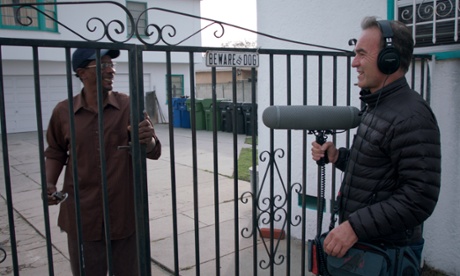
The same month that Serial hit the web, The Tales Of Grim Sleeper, the latest documentary from 67-year-old Nick Broomfield, played at the New York Film Festival. This potent true-crime documentary saw Broomfield, boom mic in hand, doggedly tramping the streets of south LA to discover more about a series of murders that took place between 1985 and 2010.
At the heart of the documentary was Lonnie Franklin Jr aka ‘The Grim Sleeper’, the man arrested for killing at least 10 women over 25 years. Broomfield, along with a self-confessed former crack addict and prostitute, Pamela Brooks, sought out Lonnie’s former acquaintances, friends and family members. The Grim Sleeper isn’t overly concerned with whether Lonnie’s guilty or not. Broomfield shifts his focus to the bigger picture, asking how any man could get away with killing so many women for so long, while also revealing the levels of crime and poverty that plague south LA.
The Grim Sleeper and Serial both debate the treatment of ethnic minorities in the US justice system, and are concerned with historical crimes that have returned to wider public attention. Their approaches completely differ in form, yet both storytellers remain bound by the ethical mandates of investigative journalism and documentary programming.
Now, all documentary filmmakers have their tactics. With Broomfield, it’s his feigned bumbling Brit routine, which affords him access to areas he would otherwise be unable to visit. Koenig and PBS’s serialisation of the Hae Min Lee investigation allowed more people to come forward to provide their accounts as as time went by, offering new evidence as well keeping listeners hooked.
Broomfield and Koenig would have had to wrestle with the same ethical dilemmas faced by any documentary journalists. How you tell a story - the devices, the form, the structure - can potentially alter the outcome of that story and how it’s received. They would have to ask where they would draw the line? How far is too far? And perhaps most importantly of all, how will the telling of this story impact on the victims?
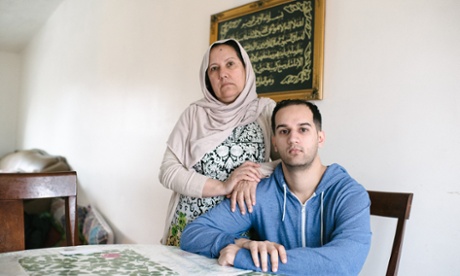
Serial and The Grim Sleeper both highlight worrying levels of negligence within the American legal system concerning ethnic minorities. They give voices to those who are all too often being ignored. The power of documentary, be it in audio or visual form, is that it can give voices to the disenfranchised. Stories about the marginalised and neglected need to be heard. Documentaries are reflections of our reality, and because of this they are vital.
Arguably, the success of Serial, and Broomfield’s high-profile career are testament to the fact that when the integrity of documentary programming is maintained people will watch, listen and respond. The relevance of the power of documentary was once again demonstrated last week when the BBC aired Leslee Udwin’s India’s Daughter, which documented the 2012 gang-rape of Jyoti Singh. The film is still banned in India. Documentary is a powerful medium that continually reminds us of the injustices throughout the world.
In The Grim Sleeper, Broomfield sits down with the leaders of the Black Coalition Fighting Back Serial Murders, headed up by Margaret Prescod. In these moments, we witness the real LA. We learn how these women tried liaise to with disinterested LAPD in order to find the killer, and how the mainstream media failed to give the killings appropriate levels of coverage. After years of trying to tell their story, this community is now being heard by a wider audience, and new facts are coming to light. Bloomfield, along with Pamela Brooks, unearthed many more potential victims of The Grim Sleeper - a discovery that will undoubtedly affect Lonnie’s forthcoming trial, scheduled for June. Likewise, the work of Koenig has resulted in Syed being granted an appeal, allowing the new evidence to be brought forward.
This is a potent reminder that real lives are at stake, and that the makers of documentaries have a special responsibility towards their subjects. Bloomfield demonstrated this when he hired a special office to interview Lonnie’s friends and acquaintances to ensure their safety. All involved did so at their risk, knowing that within their communities snitches were made pariahs.
Today, it’s clear that documentary, in whatever medium, is a powerful tool for change. There’s an appetite from audiences to hear the stories of marginalised groups and individuals, those who might not have a platform if not for the work of investigative filmmakers and journalists. It is a reminder, when we plug in our headphones or sit down in a cinema, that the people on screen are real, that they are alive and that we too are charged with a level of responsibility to answer the cry of the marginalised.
Nick Broomfield will be talking to Francine Stock about making The Grim Sleeper at a Guardian Members’ screening of the film on 23 March at Amnesty International, London.
Joseph Walsh is editor of Film3Sixty.com.