Loneliness at the Top: The Emotional Landscape of High-Level Leadership
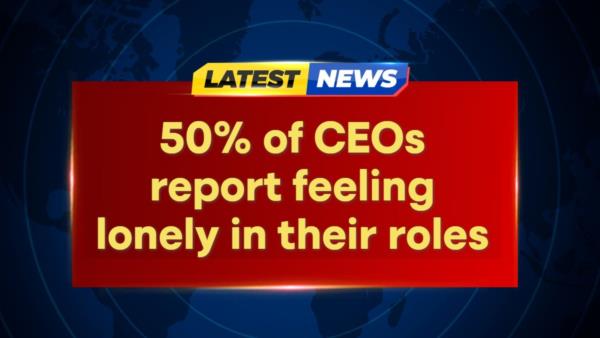
Studies have shown that 50% of CEOs report feeling lonely in their roles, highlighting the emotional disconnect that often accompanies high-level leadership. This phenomenon, commonly referred to as 'It's lonely at the top,' sheds light on the unique challenges and pressures faced by those in senior positions.
The journey to becoming a senior-level executive is marked by intelligence, strategy, and hard work. However, many leaders find themselves feeling disconnected and unfulfilled despite their achievements. The weight of responsibility and decision-making can take a toll on their emotional well-being.
One of the ways loneliness manifests itself is through the weight of decision-making. Senior executives often have to make choices that can have a significant impact on people's lives, such as layoffs or major company moves. While they may seek advice, the final decision rests solely on their shoulders. This kind of pressure is difficult to share or explain to others.
Another aspect of loneliness in leadership is the need to project a vision for others. In an effort to inspire and engage their teams, leaders often conceal their own worries and doubts. This creates a gap between how they truly feel and how they are expected to present themselves. Living in this space can be isolating.
Furthermore, as leaders ascend the corporate ladder, they encounter more 'yes people' who simply agree with their ideas. Genuine feedback becomes scarce, making it challenging to discern who is being authentic. This lack of honest input can leave leaders questioning whether they truly understand the full picture.
To combat this loneliness, building connections and seeking support is crucial. Mentors who have navigated similar challenges can provide valuable advice and guidance. Peer groups composed of fellow leaders can serve as a mastermind circle, offering a space for sharing insights and strategies that only those in similar roles can truly appreciate.
Additionally, the role of an executive coach should not be overlooked. These coaches act as personal leadership strategists, helping leaders refine their skills and maintain their competitive edge. Engaging in conversations that deepen leadership, shift consciousness, and encourage growth is essential.
These relationships are not just contacts; they are pivotal connections that can enhance the leadership journey. By seeking out mentors, joining peer groups, and working with coaches, leaders can combat the loneliness that often accompanies high-level positions.
In conclusion, the emotional landscape of high-level leadership can be isolating. However, by actively seeking support and building meaningful connections, leaders can navigate this loneliness and find fulfillment in their roles.